
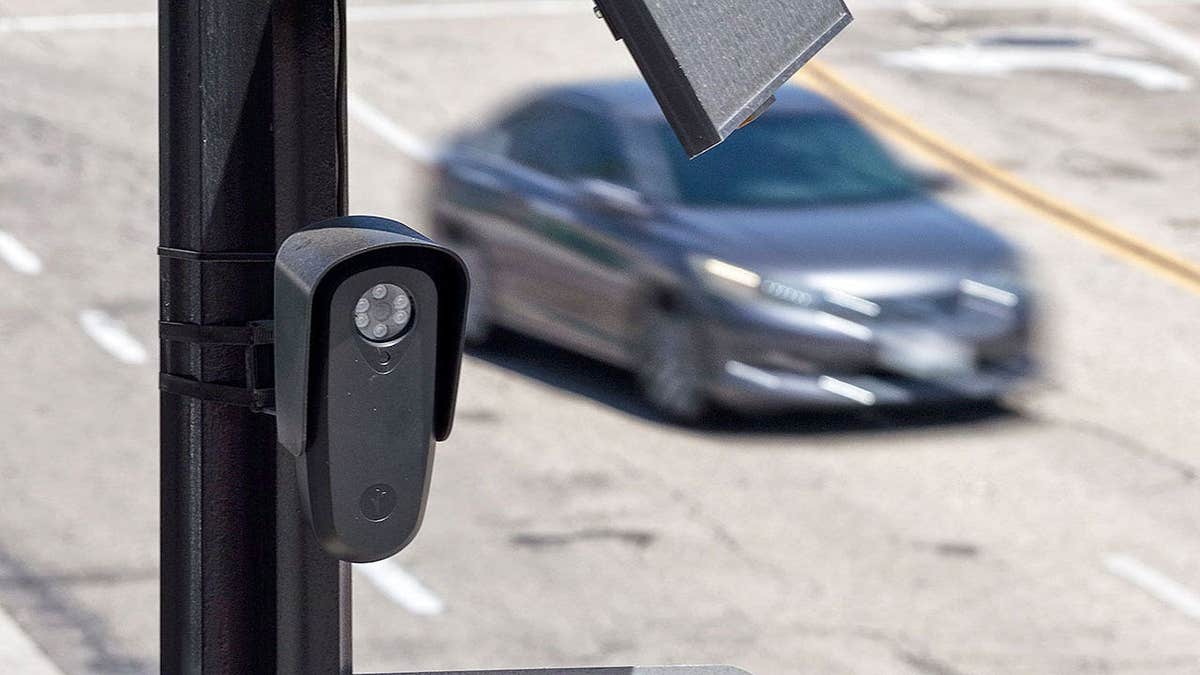
Knox County, Tennessee, Mayor Glenn Jacobs recently expressed concerns about the deployment of Flock surveillance cameras. On ‘The Sunday Briefing,’ he called for a ‘nationwide pause’ due to constitutional, privacy, and safety issues. Jacobs argued that while law enforcement should have access to crime-solving tools, Flock technology extends beyond traditional license plate readers. He emphasized the need for regulatory safeguards before broad deployment.
Jacobs stated, ‘This is not about depriving law enforcement of the tools. It’s about figuring out how these tools can be used in an appropriate manner consistent with the Constitution.’ He highlighted numerous cases of misuse and the lack of a comprehensive federal regulatory framework for Flock cameras.
Existing laws in Tennessee regarding license plate readers are outdated, dating back to 2014 with a minor update in 2021. Jacobs stressed the importance of updating these laws to align new technology with constitutional standards.
Flock Safety has seen rapid adoption across the U.S. in recent years, becoming a favorite among law enforcement, municipalities, and businesses. The ACLU estimates between 80,000 and 100,000 Flock cameras are in use nationwide. These cameras operate in over 6,000 communities, partnering with more than 1,000 businesses and 5,000 law enforcement agencies, resulting in billions of vehicle scans monthly.
Flock Safety stated the data collected is automatically deleted after 30 days unless agencies decide on a different retention period. Despite these assurances, debates on privacy continue, including initiatives in West Virginia to ban these cameras, led by the state’s Freedom Caucus. Critics argue the technology infringes on the Fourth Amendment rights of citizens.