
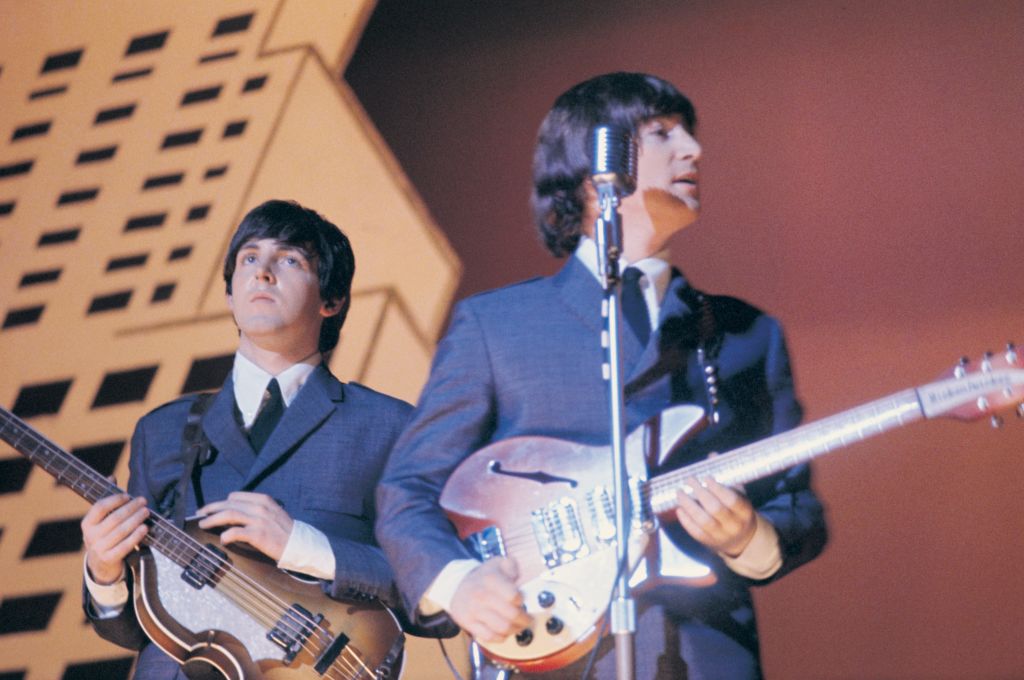
In the 1960s, Paul McCartney and John Lennon were the leading duo in pop culture, writing around 180 songs for the Beatles. Yet, during the peak of Beatlemania, the pair began to drift apart. This distance eventually led to the breakup of the Beatles, which also included George Harrison and Ringo Starr.
Over five decades after the band’s dissolution and 45 years following Lennon’s passing, McCartney has been reflecting on the challenging times in his friendship with Lennon. In a recent NME interview, McCartney, now 83, described this period as ‘hurtful.’
The tensions began largely due to disagreements about the band’s new management. McCartney supported his father-in-law, Lee Eastman, while the other members favored Allen Klein. The situation worsened when McCartney refused to sign a management agreement, contributing to the band’s end in 1974. Despite these challenges, McCartney maintained fond memories of Lennon, although it took time to reach that point.
“It was just annoying, because you thought, ‘I’ve got to answer him back, what am I going to do?’ But I suddenly realized, ‘Wait a minute, this is John. This is the guy I’ve known since I was 16. That’s just what he does.’ It didn’t sting so much once I realized it was just John being John.”
By 1975, just a year after the breakup, McCartney and Lennon reconciled over shared interests like parenting. Reflecting on their journey, McCartney admitted that enduring that rough patch ultimately strengthened their bond.
“Even though it was a painful period, we kinda had to go through it, or someone would have robbed us,” McCartney said.
He explained how separation due to business disputes eventually led Lennon to agree with his earlier concerns about Klein. McCartney expressed relief that Lennon eventually recognized his viewpoint, acknowledging, “I think Paul might have been right.” This validation helped heal old wounds between them.