
Leadership Shift in the Southern Baptist Convention
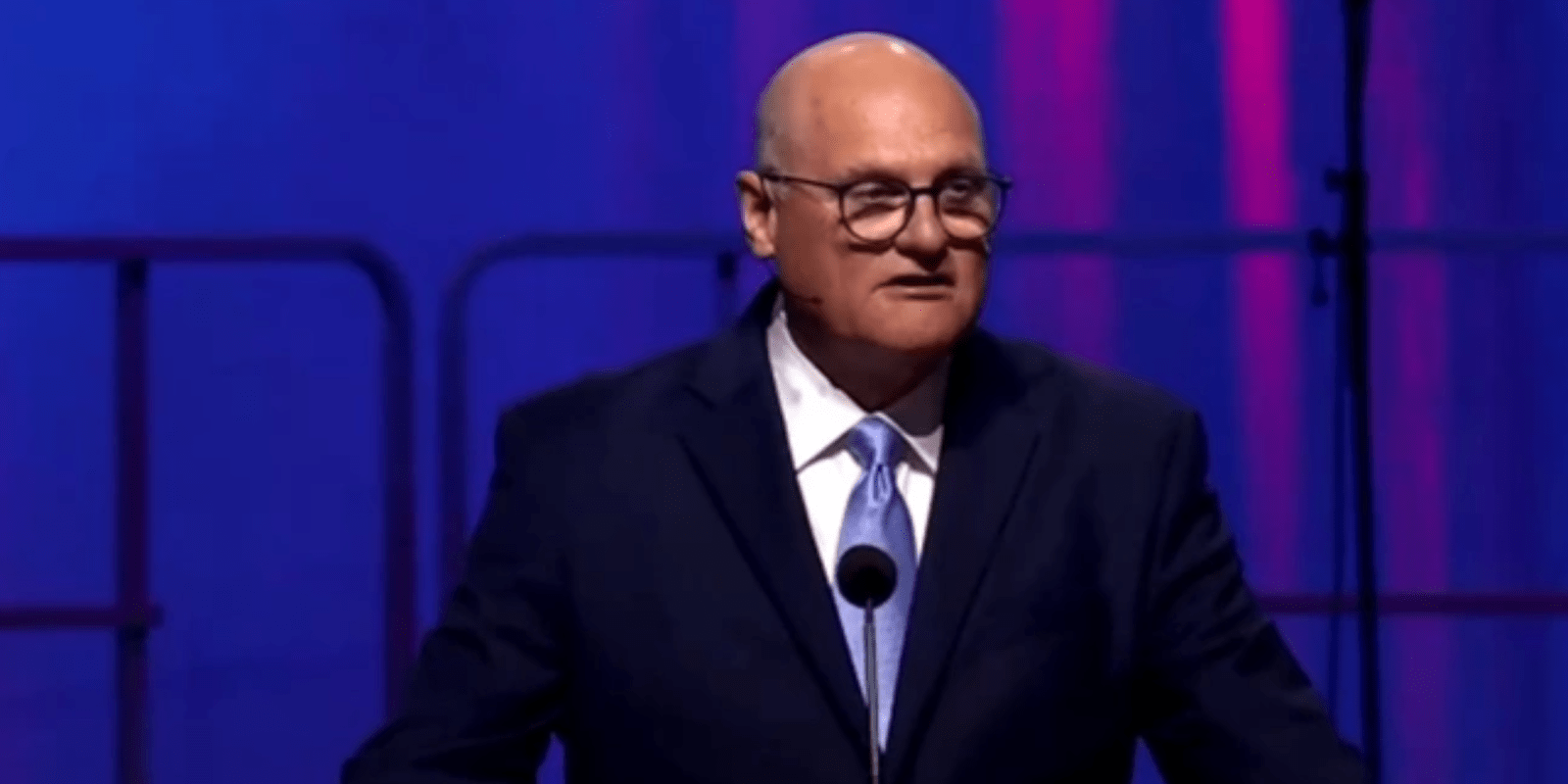
Pastor Willy Rice was recently elected as president of the Southern Baptist Convention (SBC). His election signifies a shift to a more conservative stance in the SBC, the largest Protestant denomination in the United States. Rice has publicly critiqued the crackdown on sexual abuse within the church and the influence of the social justice movement. He considers the church as potentially irrelevant if it becomes overly “woke.” The Center for Baptist Leadership, a faction within the church, celebrated his win as a step towards a more conservative era.
Profile of Pastor Willy Rice
Rice serves as the senior pastor at Calvary Church in Clearwater, Florida. He brings decades of experience to his new role, having led ministries for over 35 years. He was voted in with 57% of the vote during the 2026 annual meeting of the SBC in Orlando, triumphing over South Carolina pastor Josh Powell.
Rice’s election is viewed as a win for conservatives within the SBC who believe the denomination has leaned too much towards liberal viewpoints on race, gender, and politics. He has expressed concerns that recent decisions by SBC leadership have eroded trust among Baptists. He advocates for banning women pastors, setting stricter boundaries around theology, and reducing reforms linked to broader cultural concerns. His focus is on faithfulness rather than cultural relevance, rejecting any compromises.
Rice previously ran for SBC president in 2022 but withdrew due to issues with an ordained deacon’s sexual misconduct. Though the misconduct took place before the deacon joined Christianity and he’s now forgiven, Rice felt that allowing him as a deacon was inconsistent with the church’s stance against sexual abuse. Consequently, the deacon was removed from his position.
Rice holds a Master of Divinity and Doctor of Ministry degree from New Orleans Baptist Theological Seminary and a bachelor’s degree from Samford University.
Support from Conservative Networks
Rice’s election was backed by conservative groups within the SBC, including those aligned with political advocacy typical of the Trump era. The Center for Baptist Leadership, whose leader William Wolfe endorsed Rice, is one such faction. Wolfe previously served in the Trump administration and advocates for firm stances on immigration, gender identity, and race.
There are tensions within the SBC about how closely to align with political figures like Trump. Rice’s coalition includes members who view political engagement as an essential moral and policy-shaping tool.
Views on Donald Trump
Rice’s stance on Trump is complex, mixing theological criticism with appreciation for Trump’s support among Christians. He condemned a social media post that depicted Trump in a Christ-like manner, labeling it inappropriate and wrong.
While he has been thankful for some of Trump’s policies, he warned against the dangerous mix of religion and politics after the January 6 Capitol event. He also cautioned against embracing political idols and conspiracy theories like Q-Anon.
Criticism of SBC’s Sexual Abuse Response
Rice is a vocal critic of SBC’s efforts to address sexual abuse allegations, arguing that reform attempts have been misdirected. He claims they have led to division, wasted resources, and have pushed the church toward progressive ideals.
Although he acknowledges legitimate concerns regarding abuse in the denomination, he believes that activists have overly influenced the reforms.
Future of the SBC Under Rice’s Leadership
Rice’s presidency arrives amid declining membership, internal divisions, and public scrutiny for the SBC. Several key areas will define his tenure:
- Doctrinal debates: Efforts to set bans on women pastors and reinforce conservative theological views.
- Political engagement: Managing tensions on aligning SBC with political movements.
- Sexual abuse response: Deciding on the scope and direction of reform initiatives.
- Organizational trust: Rebuilding confidence among churches that feel distanced by national leadership.
Rice aims to return SBC to its fundamental beliefs, resisting external cultural influences. His success or failure in uniting or further dividing the denomination will steer the SBC’s trajectory in the coming years.