
Donald Trump reshaped the Republican Party to align with his vision. Those within the GOP who opposed him often faced retirement thanks to MAGA primary voters. Now, establishment Democrats face a similar challenge. Democratic socialists, gaining momentum, are challenging traditional party members.
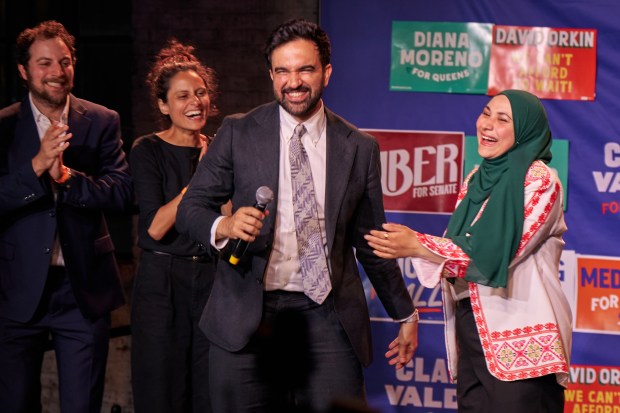
In New York, Democratic Socialist Alliance (DSA) candidates, endorsed by figures like Zohran Mamdani, have ousted incumbent Democrats. Mamdani holds considerable influence in his region, akin to Trump’s sway. One instance is the primary loss of Rep. Diana DeGette, a long-serving Denver Democrat, to 29-year-old democratic socialist Melat Kiros, despite her controversial past comments on U.S. policies.
In New York, DSA-backed candidate Darializa Avila Chevalier expressed radical views on immigration and participated in contentious rallies. Yet, she gained support from voters disenchanted with establishment Democrats. This marks a significant shift in deep-blue districts.
Republican attack ads seize on this upheaval. Democratic primary voters in urban areas express frustration by voting against traditional candidates. The rise of young, energetic candidates reflects a desire for change. However, many Americans reject socialist ideologies and are wary of leaders with such affiliations.
DSA candidates embrace policies like “Medicare for All” and taxing the wealthy. Such positions resonate in cities but struggle in other regions. The split within the Democratic Party reflects broader national divides, with centrists needing to reassert their presence.
Mayor Zohran Mamdani’s influence extends with allies winning significant posts. Yet, this leftward shift may undermine Democratic prospects in swing states like Iowa and Ohio. DSA’s success might embolden progressives, but it risks alienating moderate voters.
Recent trends show a record number of Americans identifying as independents. Political divisions leave many seeking non-ideological solutions. For Democrats to succeed nationally, especially against Trumpism, they must balance progressive enthusiasm with centrist appeal.
The upcoming elections will test if centrists can reclaim influence. The party faces an identity challenge, with many voters in search of stability and pragmatic leadership. Liberal Jewish voters, for example, may struggle to support candidates with controversial pasts.
Centrists have an opportunity. They must act swiftly to redefine the party’s path, aligning policies with broader voter concerns. The socialist movement gains ground, but balancing this energy with centrism is crucial for Democrats’ future.