
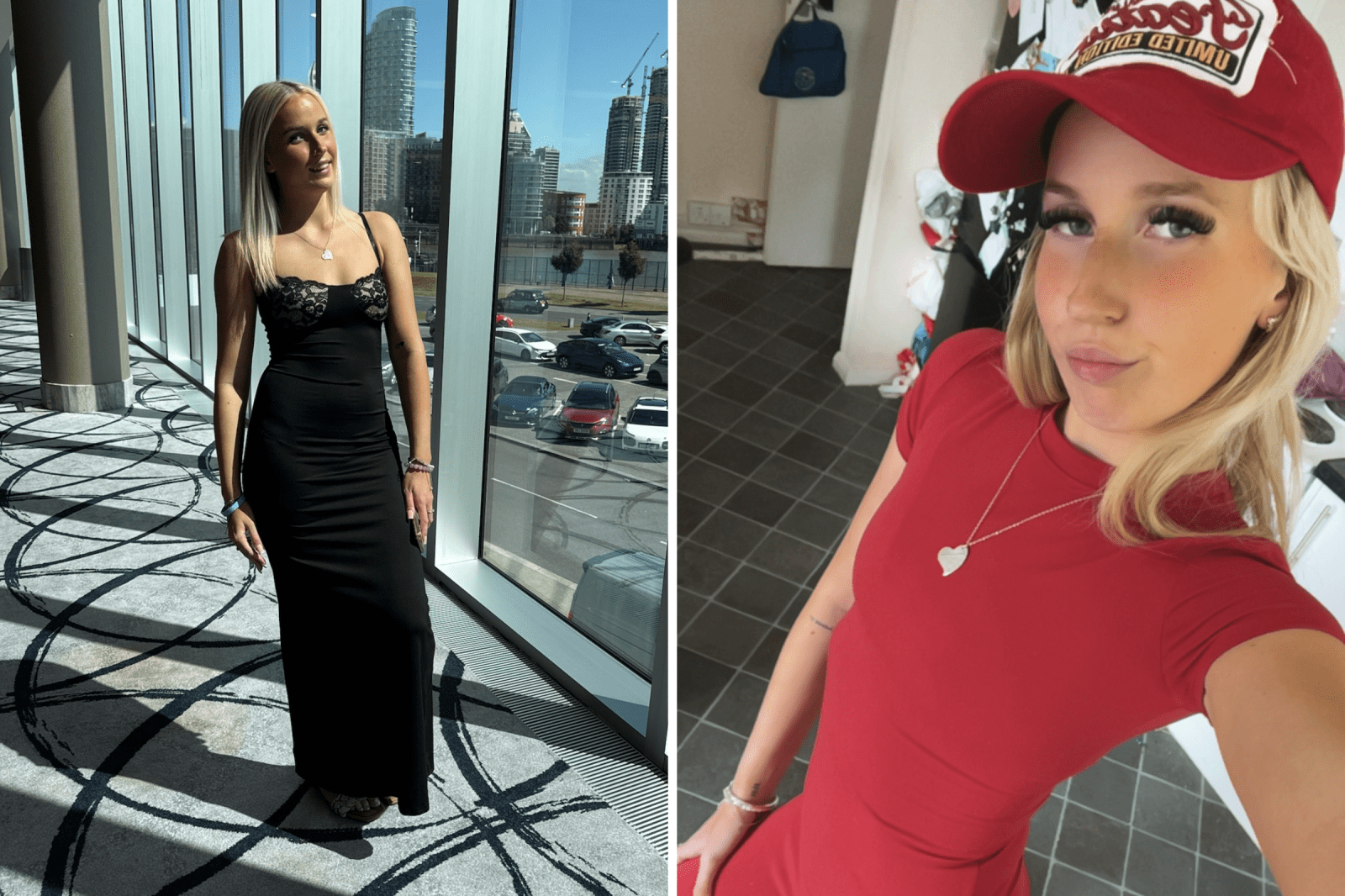
As 2026 began, I aimed for a fresh start, having already faced extensive grief by the age of 21. Optimism felt necessary for the months ahead.
In January, a doctor’s visit led to a physical assessment. My doctor noticed a small lump on my neck. At the time, it seemed insignificant. She asked if I’d been ill, suggesting an infection as a cause. It was flu season, so an infection seemed plausible. She advised returning in six weeks if the lump persisted. Initially, this recommendation barely registered as a concern.
For weeks, I monitored the lump, hoping it would disappear. Yet, by mid-March, the lump remained and had grown. I scheduled a doctor’s visit again and noticed two additional lumps. My history with chronic sinusitis seemed a valid explanation. My doctor advised another review in six to eight weeks.
By April, more lumps emerged, totaling at least seven. Symptoms like fatigue, itchy skin, night sweats, and unintentional weight loss accompanied them. It was time for medical intervention.
Upon expressing my escalating concerns, I secured a hospital referral. The head and neck clinic consultant scheduled an ultrasound and biopsy for further assessment. Anxiety about the procedure loomed, yet I maintained hope.
Awaiting biopsy results was daunting. A notification labeled ‘Oxford lymphoma biopsy’ hinted at a focus on ruling out lymphoma, though I overlooked its significance initially. My results had gone to an Oxford hospital for analysis.
A week later, I encountered missed calls and an urgent appointment message. Panic set in. By the following day, I faced a dire diagnosis. ‘The biopsy indicates lymphoma,’ the consultant revealed. At 21, facing cancer felt surreal.
Processing the diagnosis proved challenging as I transitioned to hematology consultations. Humor offered temporary relief. However, news of hair loss and travel restrictions brought reality into sharp focus. With stage two Hodgkin lymphoma, summer plans dissolved into hospital visits.
Post-diagnosis weeks passed in a shock-induced haze. My treatment plan comprised six chemotherapy cycles, accompanied by harsh side effects like weakness and acid reflux. Hair loss prompted preemptive shaving for control over shifting circumstances.
In late July, a PET scan showed remission. Active cancer was absent. Consequently, my chemotherapy plan was adjusted. One treatment remained before I could celebrate treatment completion.
Overall health had improved, yet I grappled with the unexpected journey of illness. After enduring much grief and now cancer, I envisioned the start of healing.
My experience emphasized trusting one’s instincts. Noticing anomalies like unexplained lumps warrants attention. Listening to our bodies provides crucial guidance.
Renee Coakes, 22, from the U.K., advocates for Hodgkin lymphoma awareness on social media through her TikTok handle (@renegadesspamx).