
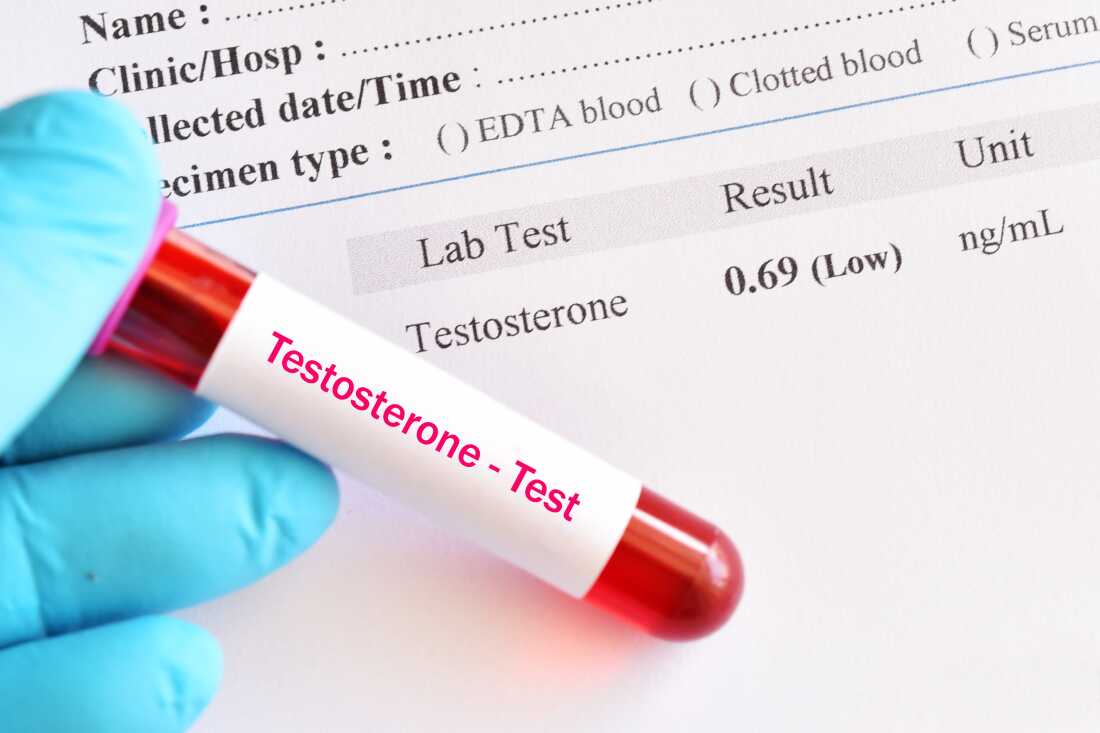
The military plans to screen service members for low testosterone, leading to a surge in discussions about testosterone therapy on social media. Dr. Jamin Brahmbhatt, a urologist at Orlando Health, has often wondered if he had low testosterone. Upon testing, his levels were normal. He points out that issues like sleep and stress influenced his symptoms.
Brahmbhatt regularly treats men with low testosterone. He sees these cases as part of a broader interest in men’s health and hormone therapy. Social media features discussions on topics from “low T” to testosterone-boosting techniques. Notable figures such as Joe Rogan and Robert F. Kennedy Jr. share their experiences with testosterone therapy.
Despite increased awareness, Brahmbhatt warns against seeking treatment without proper medical consultation. Many men self-diagnose after browsing forums without professional evaluation. He emphasizes that not every man requires testosterone therapy. Some clinics offer easy access to prescriptions but may not conduct adequate testing or follow-ups.
Understanding Low Testosterone Symptoms
Testosterone, a vital sex hormone, affects more than just reproductive health. It influences metabolism, bone health, muscle mass, and cognitive function. Experts consider it a critical indicator of overall health. Dr. Helen Bernie from Indiana University highlights that when symptoms of low testosterone, or “hypogonadism,” appear, it represents a broader men’s health concern.
Symptoms such as mood changes, fatigue, reduced libido, weight gain, and concentration difficulties can result from low testosterone. Factors like genetics or pituitary disorders may cause low levels, and testosterone naturally declines with age. Other contributors in younger men include obesity, diabetes, sleep apnea, and drug use.
Calls for Expanded Access to Therapy
Testosterone therapy faces skepticism due to associations with sports doping and bodybuilding steroids. Online clinics and influencers often promote the hormone’s benefits for wellness and longevity, although these claims concern Bernie. She stresses that the therapy should aim to restore normal physiology in those with true deficiencies.
The Trump administration has aimed to broaden access to testosterone therapy. Currently, the FDA approves it only for men with identified medical conditions causing low testosterone. Proposed changes would allow treatment for men experiencing low libido, irrespective of the underlying cause. Dr. Martin Miner argues these changes are necessary and compares it to treating high blood pressure without bias toward its cause.
Some oppose the potential policy shifts, believing they may prematurely increase access. Dr. Steven Woloshin of Dartmouth stresses the need for a better understanding of long-term therapy effects.
Ongoing Debate on Testosterone Safety
In the early 2000s, testosterone use surged in the U.S., driven by marketing and new gel-based products. Research later suggested heart-related risks, prompting FDA warnings and trials. The 2023 TRAVERSE study found no increased heart attack or stroke risks with these products, influencing the removal of such warnings. However, Woloshin critiques the study’s limitations, like its relatively short follow-up duration.
While testosterone therapy is beneficial, particularly in increasing libido and bone strength, experts recommend its use for men with significantly low hormone levels confirmed by tests, not driven by marketing hype.
Potential Benefits and Caution
A 2016 study demonstrated benefits for older men with low testosterone, such as improved libido and strength. Yet, the testosterone therapy process remains under scrutiny, particularly regarding its direct-to-consumer clinical practices. In some cases, clinics prescribe without verifying a true deficiency, which can impact fertility negatively, as testosterone reduces sperm production.
Lifestyle changes could help correct low testosterone, but they may not suit everyone. For instance, Bernie notes challenges for older men advised to exercise despite feeling unwell. George Bove, a Knoxville resident, described how testosterone therapy improved his energy and vitality, indicating the potential positive impacts when correctly administered.