
A recent archaeological study suggests humans consumed cannabis for its psychoactive effects as far back as 2,800 years ago. This discovery took place in a monumental tomb in Siberia. Researchers found evidence pointing to the use of cannabis long before its known use in neighboring China.
The historical fascination with drug use spans centuries. Greek historian Herodotus noted cannabis smoking in Central Asia around 440 B.C. Modern archaeology uncovered cannabis seeds in ancient tombs, confirming historic accounts.
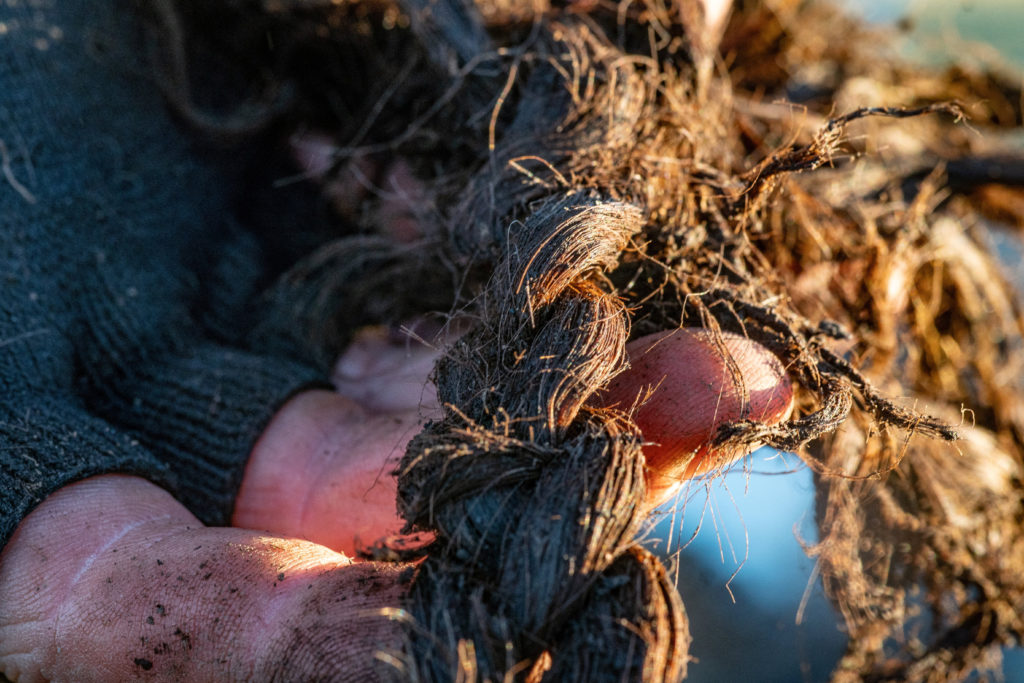
An international team from Germany, Russia, Sweden, and Switzerland conducted the study. They analyzed hair remains in a royal tomb where cannabis seeds were found. “It’s rare to have both plant parts and human tissue with active compounds in the same context,” said University of Bern archaeologist Gino Caspari. The research did not determine whether people inhaled or ingested the cannabis.
Starting in 2017, the dig took place at Tunnug 1 in Siberia’s Uyuk Valley. The site is among the earliest monumental tombs displaying Scythian material culture. The Scythians, nomads migrating from Central Asia, left artifacts like weapons and horse gear. Tiny cannabis seeds appeared alongside preserved human hair during the excavation.
“We don’t often get to test a nearly 3,000-year-old person’s drug use,” Caspari remarked. Radiocarbon dating of the seeds established their era. The consistent presence of cannabis points to its significance in ancient rituals. The team’s findings were published in the journal Science.
However, some experts remain skeptical. Forensic toxicologist Volker Auwaerter criticized the hair analysis, calling it “scientifically weak.” He questioned the differentiation between purposeful cannabis consumption and mere external exposure.
In contrast, Elisa Guerra Doce from the University of Valladolid supported the methodology used. Her past research involved identifying psychoactive substance use in European prehistory. She acknowledged that the analysis indicated more than mere funerary offerings; it suggested consumption by those involved in burial rites.
The debate continues, highlighting the need for corroborative evidence in ancient accounts. While cannabis seeds have multiple uses, the study provides insight into its role in ancient societies.