
In recent years, Florida has been a focal point in American politics, largely resisting the Democratic wave that swept the country during the midterm elections. However, several congressional races in the state have shown signs of shifting toward Democrats compared to the 2022 midterms. This raises questions about Florida’s potential competitiveness in future elections, notably in 2028.
The Republican Stronghold
Republicans have celebrated Florida’s ability to remain a red state amidst the national blue wave. A post-election memo from Governor-elect Byron Donalds’ campaign declared Florida as the “premier Republican stronghold in America.” This declaration comes in the wake of Texas gubernatorial victory by Democrat Gina Hinojosa.
Despite Republicans maintaining a majority in Florida’s congressional races, several of these races saw shifts toward Democrats, moving by significant margins compared to previous midterms. This reflects a more nuanced political environment.
Florida’s Significance to Trump
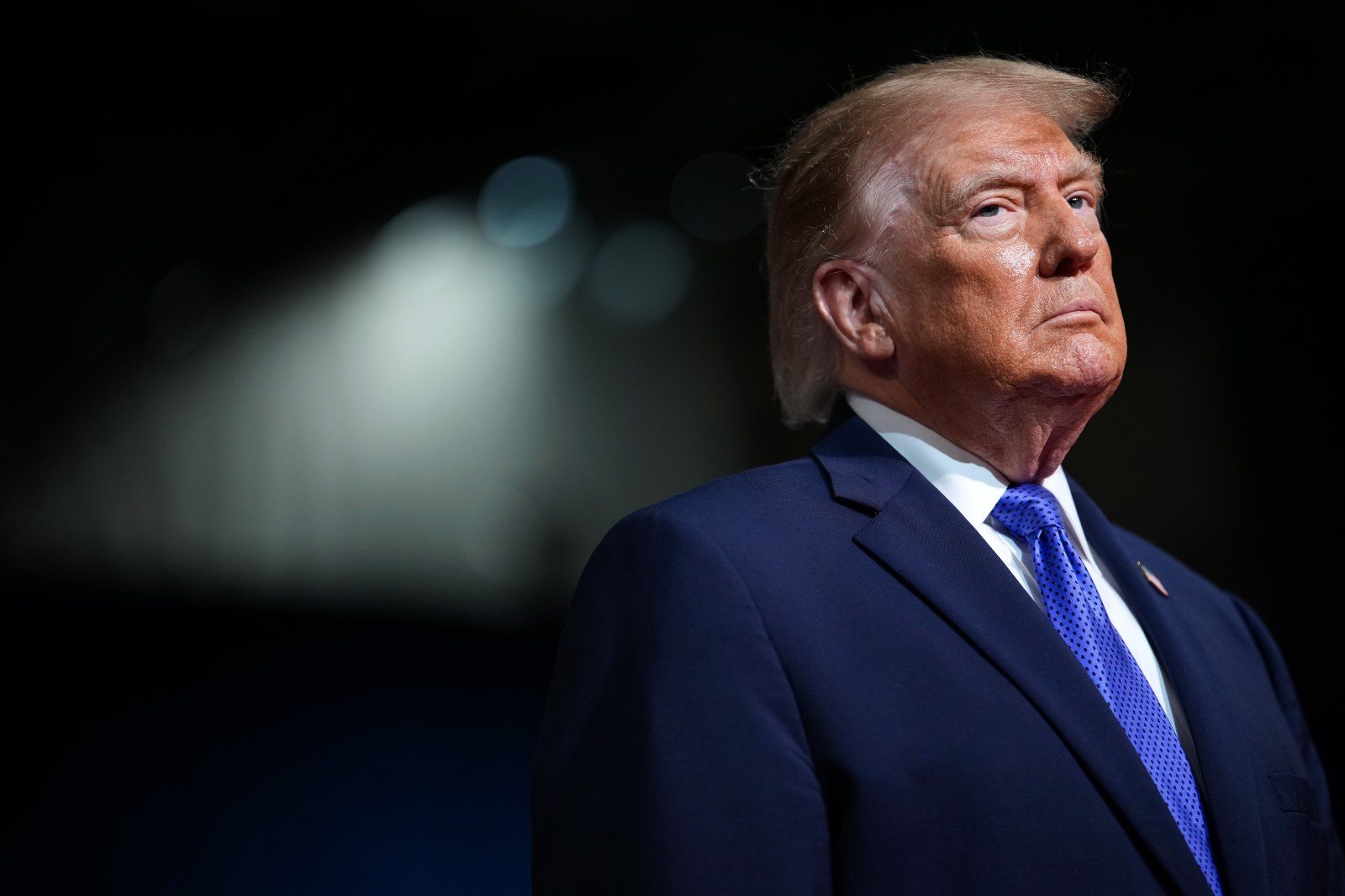
Florida holds particular importance for President Donald Trump, who made the state his primary residence after leaving New York. Trump’s victories in Florida have marked dramatic shifts in the political landscape, including a roughly 13-point victory over Kamala Harris in 2024, up from a just-over-one-point win in 2016.
Close Races in Florida
Many congressional races in Florida were closely contested. Republicans had hoped to expand their majority following a mid-decade redistricting plan that favored GOP interests. Yet, despite the new map, no immediate flips of targeted Democratic seats occurred.
“In 2024, Florida voters sent 20 Republicans and 8 Democrats to the US House. In April 2026, Florida enacted a revised map to unwind an unconstitutional racial gerrymander,” DeSantis posted on X.
If the old map had been in play, Republicans predict the outcome would have been different, with Democrats potentially gaining more seats.
U.S. Senate Race
A special election for the U.S. Senate seat to complete the remainder of Marco Rubio’s term took place. Republican Ashley Moody, who was appointed to replace Rubio, narrowly won against Democratic challenger Angie Nixon with less than a 3-point margin. Nixon’s loss occurred without substantial funding from major Democratic committees, raising questions about the role of financial backing in future races.
Despite the narrow loss, Nixon received support from political figures like Senators Bernie Sanders and Elizabeth Warren.
Florida Governor’s Race
Byron Donalds’ gubernatorial win marks him as Florida’s first Black governor, winning with 50% of the vote. His victory over Democratic opponent David Jolly was a tighter race compared to previous cycles, reflecting increased competitiveness in the state’s political arena.
Former Governor Ron DeSantis noted potential challenges for Republicans in future elections, predicting difficulty in regaining congressional majorities by 2028. He projected possibilities extending to 2032 for Senate control.
U.S. House Races
Florida’s U.S. House races saw noticeable shifts in voter margins. For instance, in District 13, Republican Anna Paulina Luna won her re-election by a narrow margin compared to a significant victory in 2022.
Other districts also experienced shifts, with some races still undetermined. District 9 saw Democrat Darren Soto narrowly leading over his opponent, with Republicans making gains compared to previous election cycles.
Looking Ahead
Attention now turns to the upcoming 2028 elections. Florida will again be in focus as voters decide on U.S. House seats, a Senate seat, and the presidency. These elections will further test Florida’s evolving political landscape, as Democrats’ improved margins suggest potential for increased competition.