
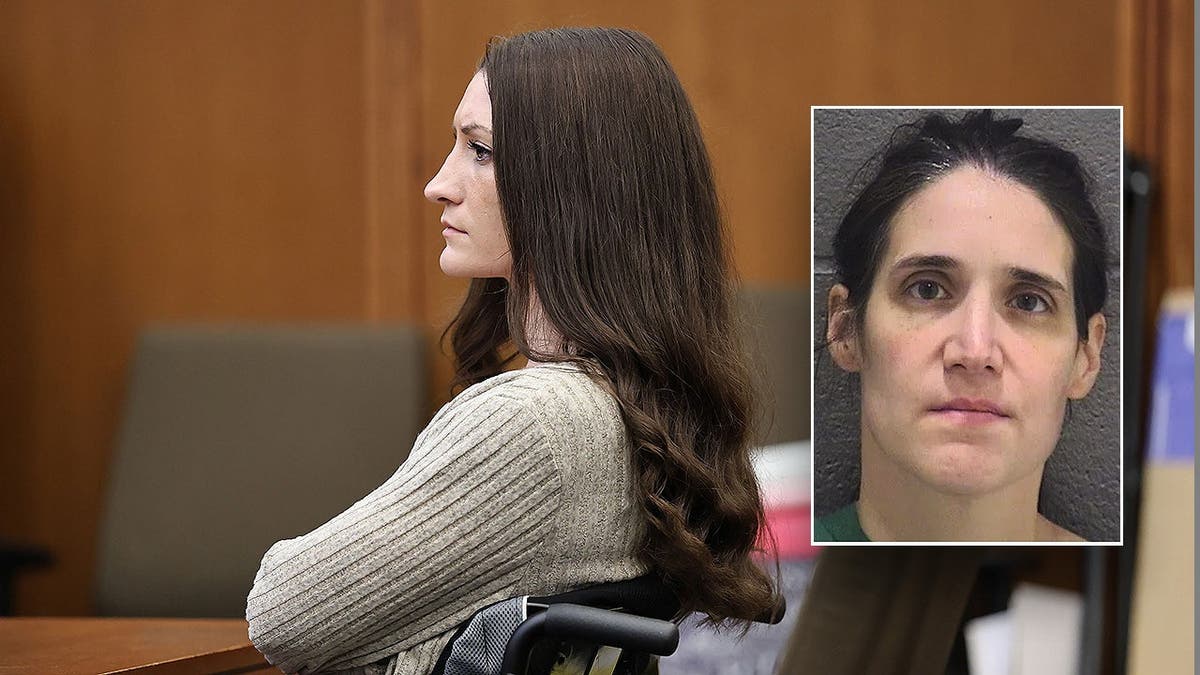
The insanity defense of Andrea Faust, a North Carolina mother accused of killing her son, has become a focal point in discussions about its prevalence in criminal cases. Drawing parallels to Lindsay Clancy’s Massachusetts trial, Faust’s case raises questions about how postpartum mental health struggles are addressed within legal proceedings.
Andrea Faust, 41, faces murder and attempted murder charges following the February 12 incident in Durham, North Carolina, where her 3-year-old son was killed and her 2-year-old son injured. Her legal team has notified their intent to employ defenses involving insanity and diminished capacity, as reported by WRAL.
Similarities have been drawn to Lindsay Clancy’s case, where Clancy has pleaded not guilty in the deaths of her three children, citing postpartum psychosis. This argument contrasts with prosecutors who assert she acted with intent. As deliberations continue, Clancy’s trial highlights postpartum mental-health issues.
Andrea and Lindsay’s cases share eerie similarities yet remain distinct, according to Nicole Galinsky, Faust’s attorney. Despite Faust lacking postpartum psychosis, both women were known to be attentive mothers until they resorted to their fatal actions. Both experienced mental health struggles, including hallucinations and hospitalizations.
Galinsky emphasizes the systemic shortcomings women face concerning mental health recognition and the ineffective support received from healthcare professionals. Both Faust and Clancy sought help but found their concerns inadequately acknowledged.
Retired Massachusetts Superior Judge Jack Lu states that postpartum mental illness impacts behavior and criminal liability in ways not fully comprehended by society or the legal system. Although these defenses often fail, he stresses their importance in understanding defendants’ actions and reducing moral culpability. However, cases involving harm to children encounter significant challenges in persuading juries.
Andrea Faust was initially deemed incapable of trial in March due to critical mental health concerns, yet her ability to proceed was confirmed by Central Regional Hospital later. Her attorney plans further evaluation to assess her condition during the alleged crimes.
These cases call for a more thoughtful examination and acknowledgment of mental health defenses in the legal system, urging society to consider their validity in explaining behavior.