
Imagine a space where negative remarks are more common than positive ones. Social media has become such a space, where people can easily insult you without face-to-face confrontation. Online hostility has recently gained renewed attention.
ESPN commentator Pat McAfee highlighted online threats when explaining his discomfort at a Utah college campus. He reported people saying they want to ‘Kirk’ him, referencing the assassination of political activist Charlie Kirk. OutKick founder Clay Travis shared similar experiences, receiving troubling messages almost daily.
McAfee and Travis are not alone. Public figures with controversial opinions often face hostility online. Research from the University of Minnesota found a two-to-one ratio of negative to positive comments. The mental health consequences are both measurable and significant.
A 2025 study involving 128 adults showed how negative social media comments affect mood. Anxiety scores were highest at 2.42 for those exposed to negative comments, compared to 1.77 for neutral and 1.55 for positive comments. Pleasant mood scores fell to 2.37 with negative comments, higher at 3.05 with neutral and 3.25 with positive comments. This implies that online remarks can directly influence moods.
Another analysis showed adolescents experiencing cyberbullying had 2.73 times the odds of developing depression compared to those who hadn’t. Social media hostility impacts everyone, from young people to athletes and public figures.
Dr. Jesse Morse built a following by analyzing NFL player injuries. Despite monetization opportunities, he chose to retire due to overwhelming negativity. ‘My reputation is not worth it,’ Morse noted.
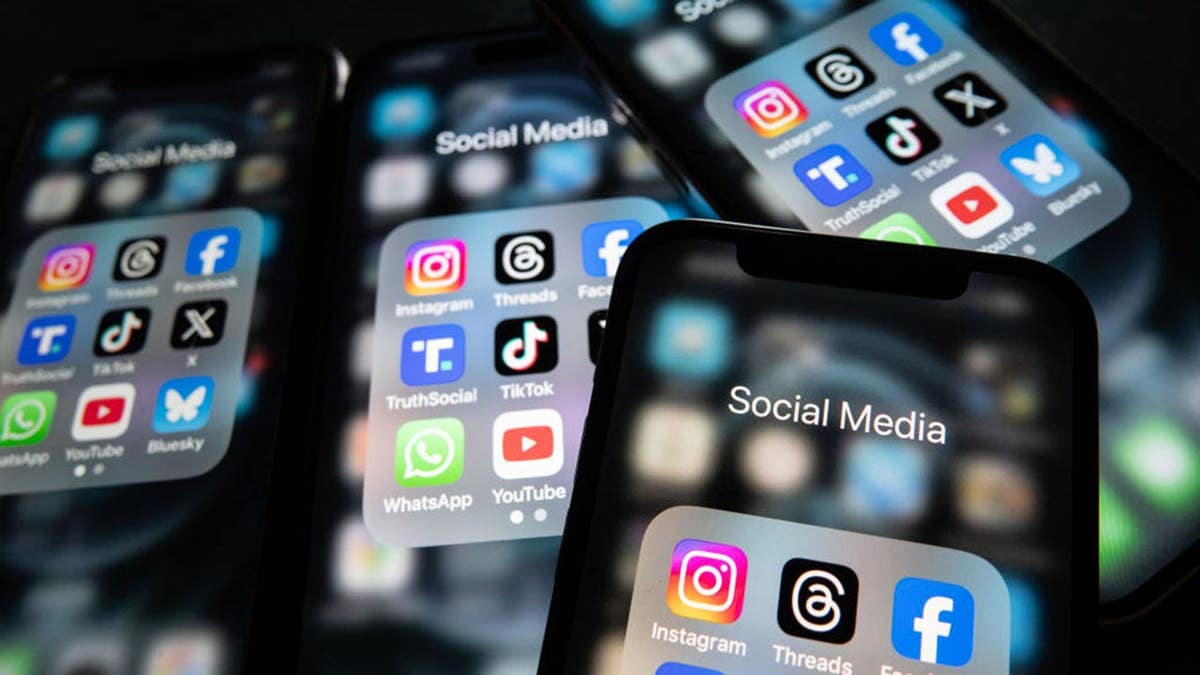
The benefits of social media may not always outweigh the costs. Negative comments from strangers should not hold power over your emotions. In this illustration, various social media logos appear on screens, emphasizing the challenges associated with online interactions. Recent legislation in Australia bans children under 16 from creating social media accounts, addressing concerns over safety and accountability.
Consider whether it makes sense to let unknown individuals affect your mood. A brief encounter does not sum up your entire character. Social media often amplifies negativity, attracting more attention than positive content.
Earlier generations were mostly unaware of strangers’ opinions about them. Today, technology delivers those opinions directly to your device. This hasn’t improved the accuracy or importance of their views.
Protect yourself from undue influence by restricting replies, disabling comments, or even deleting social media. Without access to your attention, trolls lose their impact.
Unless these antagonists threaten what’s crucial in your life, they should hold no significance. Hate becomes isolated when ignored.