
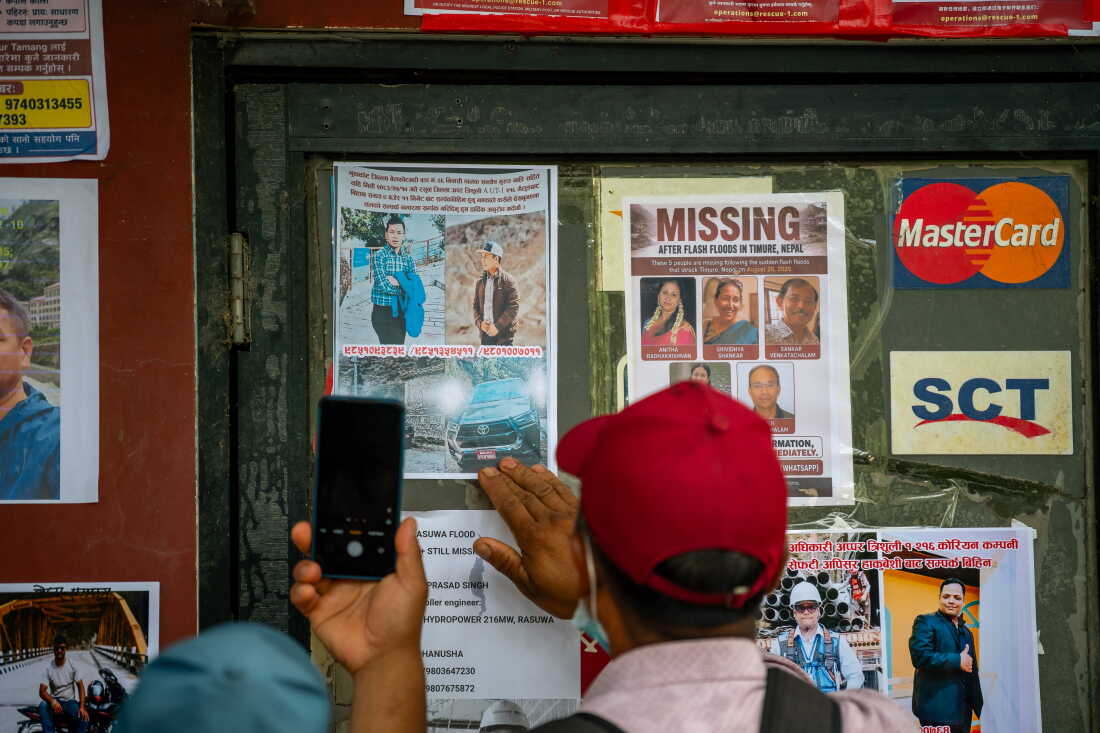
Devastating Floods Leave Thousands Missing in Nepal
In the aftermath of catastrophic flash floods in Nepal, more than 5,600 people remain missing. A board in Devighat displays pictures of some of them, symbolizing the widespread agony. ‘There’s nothing left there,’ comments Shushma Bhusal, leading the International Federation of Red Cross and Red Crescent Societies in the region.
Complete Ruin in Bidur
Pre-flood, Bidur municipality was a lively community with about 60,000 residents. Now, devastation marks this former hub beside the Trishuli River. The torrent annihilated homes and businesses, leaving the population in disarray.
Healthcare Access Crisis
Trishuli hospital, once a key regional facility across the river, is now unreachable due to a destroyed bridge. Bhusal highlights a stark contrast as crossing the river takes hours instead of minutes, severely limiting access to medical care.
The health prospects for tens of thousands are grim. Padam Simkhada, from the University of Chester, critiques Nepal’s unprepared health system faced with an unprecedented disaster.
Infrastructure and Health Disruptions
Authorities report at least 1,200 fatalities in Nepal and Tibet. The floods ravaged seven hospitals and health centers. While some facilities operate, road blockages hinder access, says Allison Gocotano from the WHO.
Routine healthcare is vastly disrupted. Abhilasha Gurung from UNICEF notes the efforts in deploying medical tents and distributing hygiene kits and bed nets to provide crucial services amid chaos.
Chronic conditions exacerbate risks, as people struggle to access essential medication due to facility outages and supply uncertainty, Simkhada warns.
Concerns for Disease Outbreaks
Floods contaminated water sources, raising fears of cholera and diarrheal diseases. With survivors relocated into cramped shelters, diseases like tuberculosis may proliferate. Technical teams strengthen surveillance in communities, Gocotano explains.
Mental Health Strain
The disaster triggers a mental health crisis. UNICEF estimates 2,500 to 3,000 people in temporary centers face profound grief. Hope persists as helicopters search for survivors, yet emotional burdens weigh heavily.
Ayush Joshi from Save the Children recounts a deeply impacted young girl still haunted by loss and separation from her parents. The psychological load weighs equally heavy.
“The dead are gone, I am the one alive,” remarked a rescued woman in shock, says Gurung.
The organization attempts to address psychological distress through counseling and mental health support, though challenges remain. Joshi stresses the lasting impact of trauma and the necessity for prolonged mental health focus.