
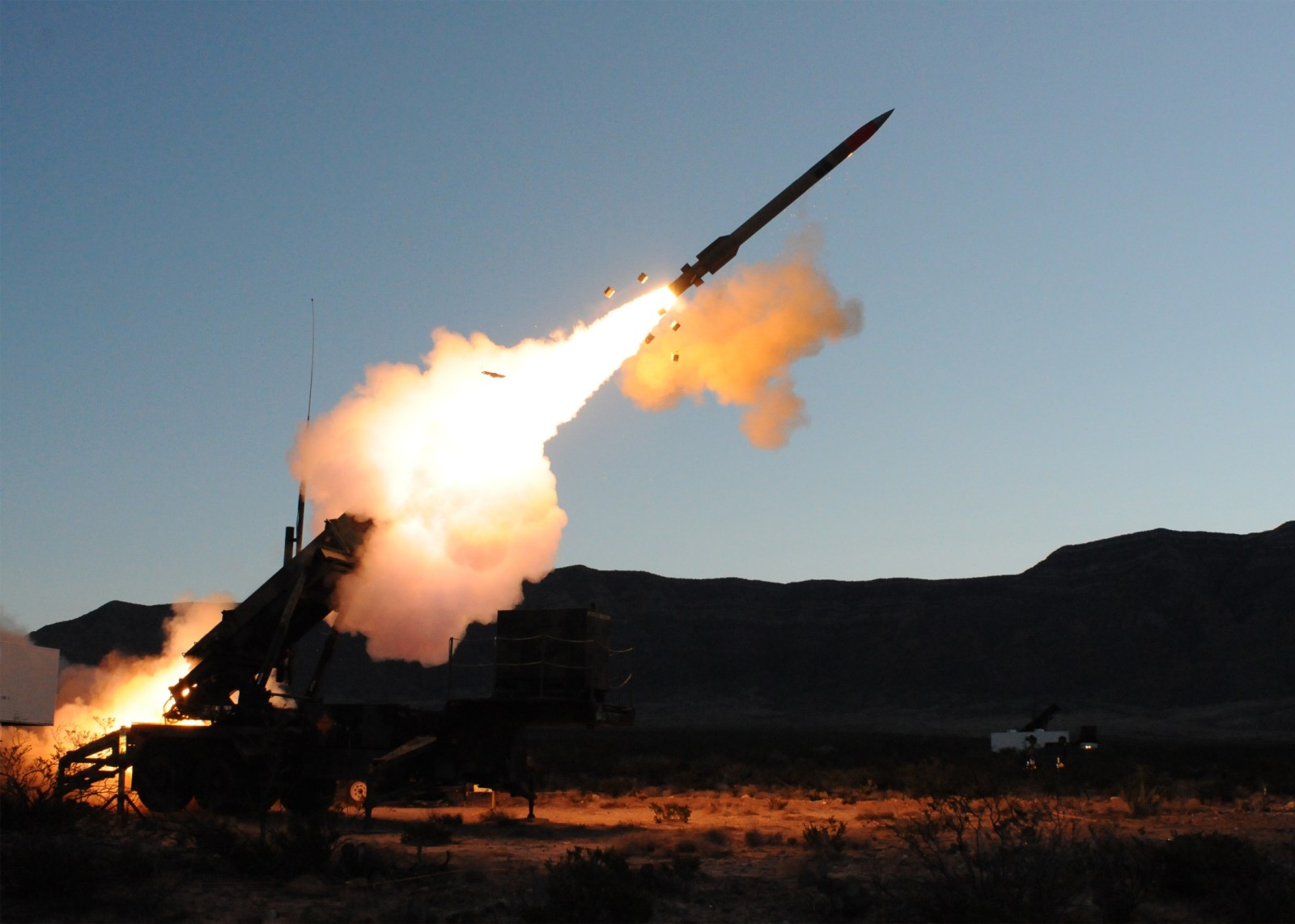
Recent Russian strikes on Kyiv have been among the most lethal in the Ukraine war. Volodymyr Zelensky has highlighted a shortage of Patriot interceptor missiles, stressing Ukraine’s need for defense support at the NATO summit. Following Russia’s Sunday bombardment that killed 21 people, and previous strikes claiming 22 lives, Zelensky urged NATO allies to increase air defense commitments. This call for action comes amid reports that the U.S. has depleted about half of its Patriot and THAAD interceptors during the conflict with Iran.
Concerns Over Depleted Stockpiles
The depletion of American stockpiles raises concerns among NATO members about their defense capabilities. Yuriy Boyechko, CEO of Hope for Ukraine, noted that Ukraine’s air defense system is weakening due to a shortage of interceptors. The mixed attacks of drones followed by ballistic missiles force Ukraine to prioritize targets amidst low ammunition reserves.
“All those anti-ballistic missiles used in the Middle East came from the same pools we rely on for resupply.”
Boyechko explained that allies have become protective of remaining stockpiles, slowing transfers to Ukraine and leaving Ukrainian skies vulnerable.
Impact of the Iran Conflict on Defense Supplies
On March 5, Zelensky expressed frustration at U.S. priorities, noting that more than 800 Patriot missiles were used in just three days during the Iran conflict, more than Ukraine has received since 2022. A CSIS report released on April 21 confirms that the U.S. utilized a significant portion of its pre-war missile inventory during the Iran conflict.
This has further impacted the U.S.’s ability to supply Ukraine and other allies, with delays and cancellations in key arms shipments, including Tomahawk cruise missiles, HIMARS artillery, and PAC-3 missiles.
Turkey’s Strategic Role in NATO
Turkey, holding NATO’s second-largest military, plays a critical role in eastern European security, especially against Russian threats. Its strategic positioning allowed Turkey to halt Moscow’s reinforcement of the Russian Black Sea fleet through restrictions on the Bosphorus and Dardanelles.
The Trump administration’s stance on NATO raises questions about U.S. commitments. However, Turkish President Recep Tayyip Erdoğan, maintaining good relations with Trump, facilitated Trump’s participation at the summit.
NATO chief Mark Rutte has indicated forthcoming military deals and continued support for Ukraine. There are suggestions by Trump that the U.S. might allow the sale of advanced weaponry to Turkey, despite Congressional opposition.
Concerns Over Turkey’s Defense Policies
Sinan Ciddi from the FDD pointed out that Erdoğan’s government could pose a threat to NATO’s southeastern flank rather than being a stabilizing force. He advised the U.S. and its allies to approach Ankara with caution.
“The United States and its allies should approach Ankara with clarity rather than wishful thinking.”
Concerns remain regarding Turkey’s acquisition of Russian S-400 systems and potential defense transfers from the U.S., such as F-35 fighters. Ciddi noted that while publicly praised, in private, NATO members question Turkey’s capability to counter Russian threats.
The ongoing dynamics reflect a reshuffling of responsibilities within NATO, emphasizing the importance of the Ankara summit.