
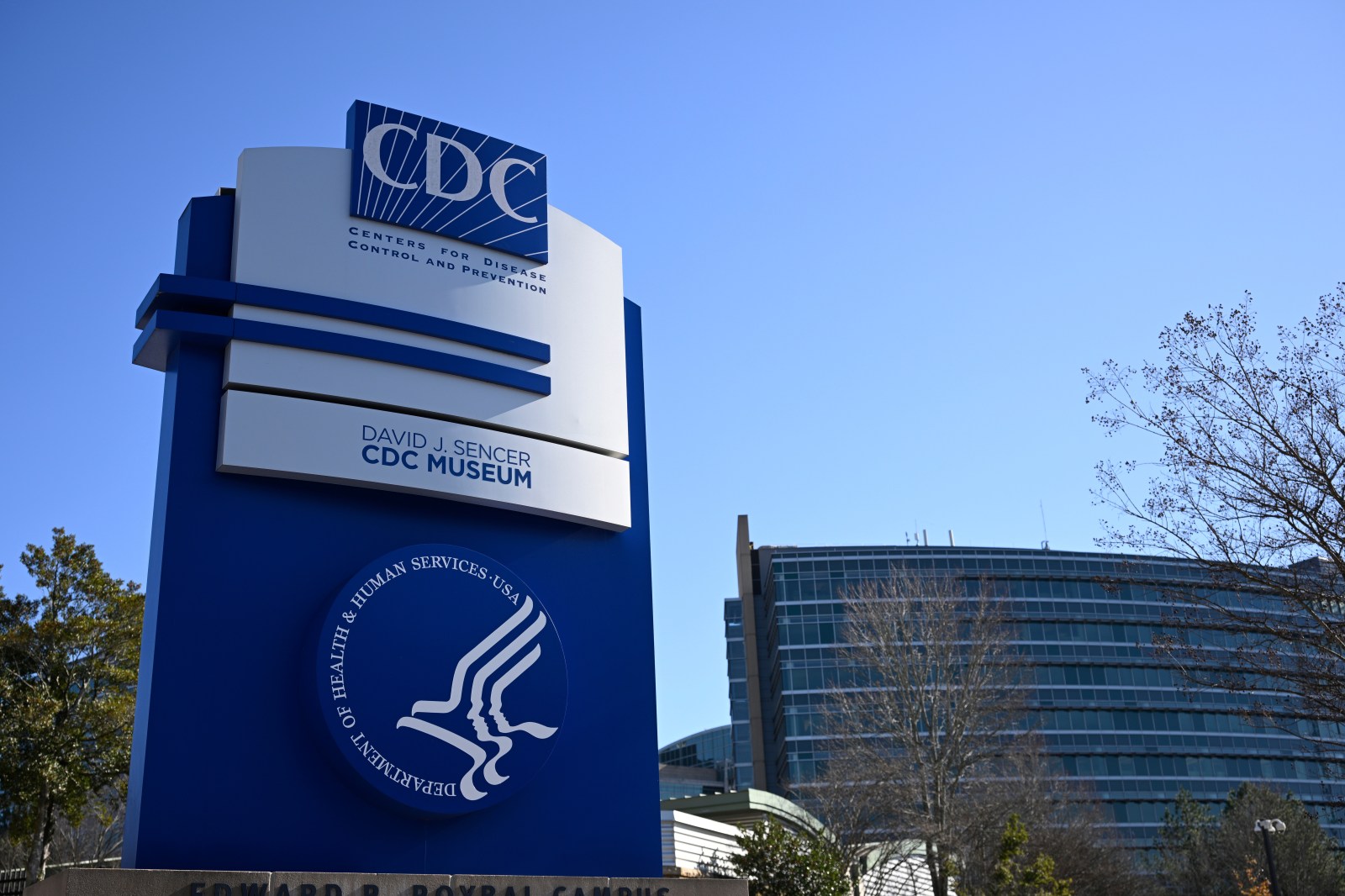
A microscopic parasite has led to hundreds of infections across various states, prompting an investigation by health officials. The Centers for Disease Control and Prevention (CDC) reported at least 145 cases of cyclosporiasis from May 1 to June 16. These cases resulted in over 20 hospitalizations. However, data from affected states indicates the true number of infections is much higher, with 18 states reporting cases.
Outbreak Hotspots
Michigan has become a major focus of the outbreak. The Michigan Department of Health and Human Services (MDHHS) announced more than 300 cases as of Thursday, far exceeding the usual 50 annual cases in the state. The outbreak is concentrated in Southeast and Southern Michigan. Monroe County has recorded the highest number of infections. Other affected regions include Lenawee, Washtenaw, Wayne, Livingston, Shiawassee, and Jackson counties, as well as Detroit.
Dr. Natasha Bagdasarian, Michigan’s chief medical executive, stated that the state is seeing an unusually high number of cases in just over a week. Additional cases are anticipated. Meanwhile, in New York, health officials reported 107 cases since early May.
Understanding Cyclosporiasis
Cyclosporiasis is caused by the Cyclospora cayetanensis parasite. This intestinal illness spreads through ingestion of contaminated food or water. Symptoms can take up to two weeks to manifest, presenting as nausea, abdominal cramps, fatigue, and severe diarrhea.
Health officials indicate that most healthy individuals recover without medical intervention. However, elderly and vulnerable individuals may face a higher risk of severe illness. Treatment involves antibiotics, particularly trimethoprim-sulfamethoxazole, marketed as Bactrim, Septra, or Cotrim. Emphasis is also placed on rest and hydration to combat dehydration from diarrhea.
Current Investigation and Prevention
Federal officials have not pinpointed a single source for all cases. Multiple regional clusters may exist simultaneously. Michigan, New York, Illinois, and Texas report the most cases, while other affected states include Alaska, Colorado, Connecticut, Florida, Georgia, Louisiana, Massachusetts, New Jersey, North Carolina, Ohio, Pennsylvania, Tennessee, Virginia, and Wisconsin.
The CDC states that none diagnosed before June 16 reported travel within two weeks before falling ill. Past outbreaks linked to imported fresh produce like raspberries, basil, and cilantro are under investigation. Cooperation between the CDC, FDA, and local state agencies aims to identify the source.
Jennifer Bonsky from the Michigan Department of Agriculture and Rural Development (MDARD) stresses the importance of food safety. She underscores adhering to food preparation guidelines, such as handwashing before and after food handling, and washing produce thoroughly before consumption.