
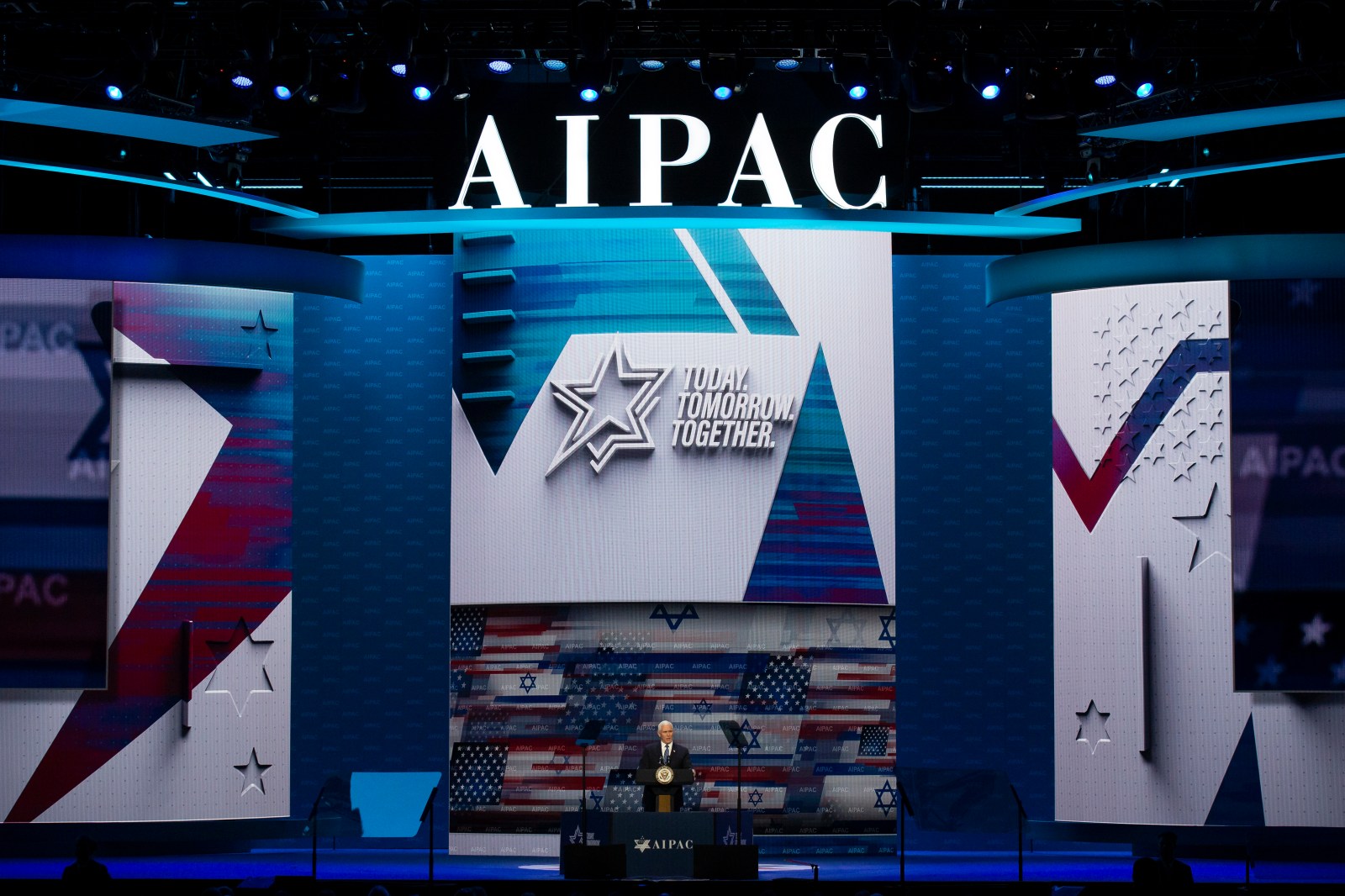
The Michigan Democratic Senate primary has become a focal point due to significant outside spending, particularly from United Democracy Project, a super PAC connected to the American Israel Public Affairs Committee (AIPAC). This influence is noteworthy, with approximately $15 million spent to impact the primary, favoring Representative Haley Stevens, while opposing Democratic rival Abdul El-Sayed.
AIPAC’s Financial Influence
Federal filings disclose that United Democracy Project, an AIPAC-affiliated super PAC, has allocated roughly $9.3 million towards supporting Haley Stevens and approximately $5.7 million to counter El-Sayed. This spending highlights the debate within the Democratic Party regarding Israel and outside political contributions.
The election forecasters label the general election as highly competitive. El-Sayed’s campaign positions AIPAC’s influence as a selling point, emphasizing independence from foreign political sway. Meanwhile, Stevens, accused by some of aligning too closely with AIPAC, publicizes her position as a firm pro-Israel Democrat.
Campaign Dynamics and Accusations
Senator Bernie Sanders, backing El-Sayed, emphasizes the disproportionate funding, asserting the primary is against AIPAC’s influence rather than Stevens. El-Sayed has repeatedly criticized Stevens for her stance, affiliating her with what he perceives as undue foreign influence.
In counterattack, Stevens denies the claims of being under AIPAC’s influence, asserting autonomy over her policies. According to the most recent Federal Election Commission filings, Stevens ended June with more cash reserves compared to El-Sayed, despite a successful quarter in fundraising by El-Sayed’s campaign.
Public Opinion and Polling
Recent polls reveal divided opinions among Democratic voters regarding AIPAC. A significant portion of likely Democratic primary voters holds an unfavorable view of the organization. When surveyed, an increasing number of Democrats suggest the U.S. is over-committed to supporting Israel, as seen in polls conducted by esteemed outlets and research bodies.
These shifts in public opinion reflect a broader, national debate on U.S.-Israel relations. Notably, a significant percentage of Democrats support more U.S. backing for Palestinians, illustrating changing sentiments within the party.
Stevens vs. El-Sayed: Policy Perspectives
The primary contenders, Stevens and El-Sayed, stand on polarized ends regarding U.S. aid to Israel. Stevens advocates for continued strategic alliances, emphasizing shared democratic values and confronting extremism. In contrast, El-Sayed calls for halting U.S. military assistance to Israel, critiquing Israel’s actions in Gaza.
Polling data reflects a close race. Surveys by recognized organizations indicate fluctuating support between Stevens and El-Sayed. Despite variations, many poll results depict a tight margin between them.
Electoral Strategy and Future Implications
The Democratic establishment contends that Stevens, with her centrist appeal, is strategically better positioned against Republicans, potentially attracting independent and moderate voters. Conversely, progressives advocate El-Sayed as the candidate aligning with liberal values, aiming to stimulate increased voter turnout from progressive and Arab American communities.
Michigan remains a pivotal battleground. As the August 4 primary approaches, early voting begins on July 25, initiating crucial decisions for Democratic voters in selecting a nominee for the open Senate seat.