
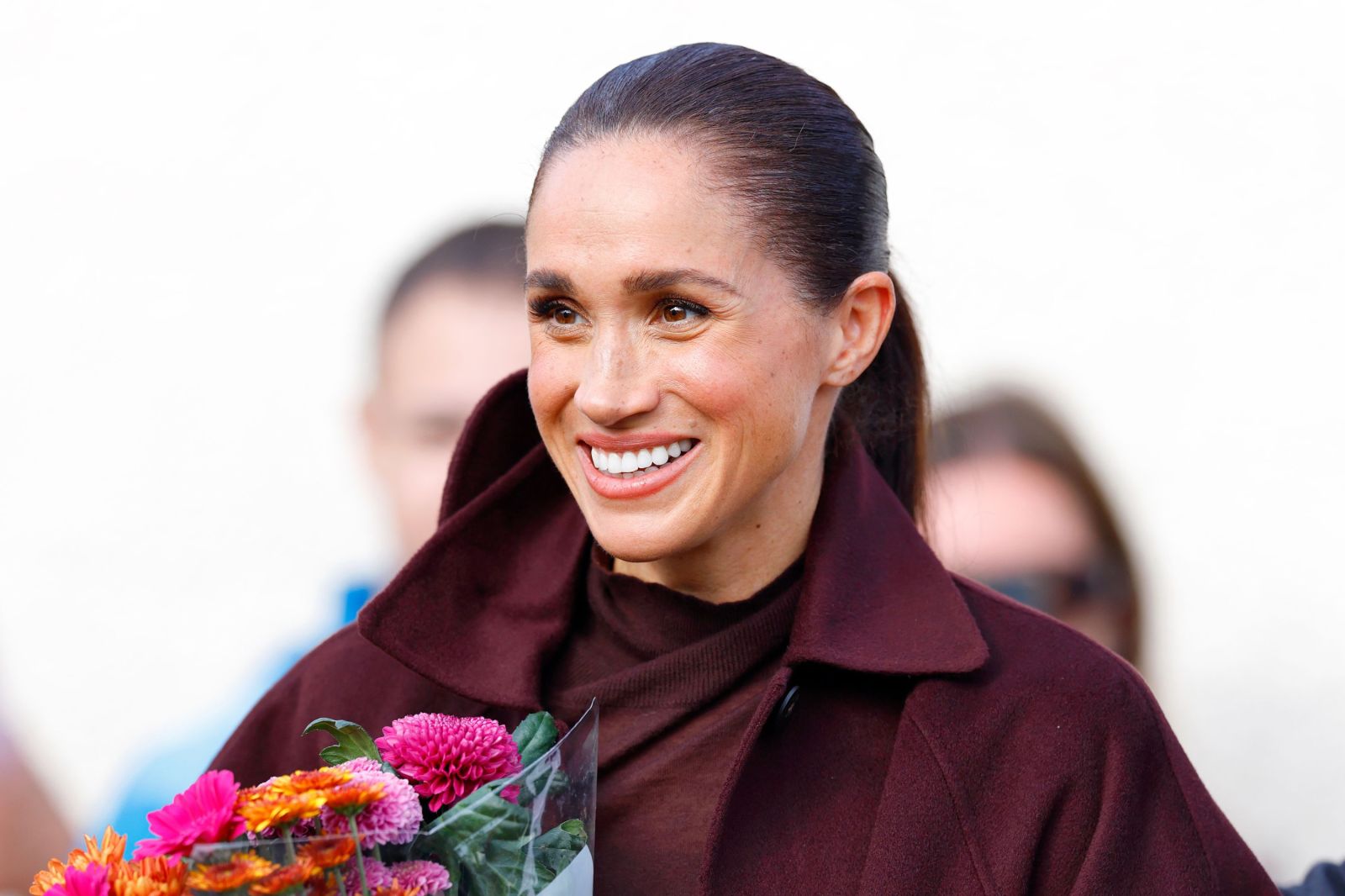
Meghan Markle, Duchess of Sussex, is working to extend trademark protection globally for her As Ever lifestyle brand. Her initiative encounters objections in several countries, according to filings.
In June 2025, Meghan announced her plans to scale her business internationally, aiming for trademark rights over cocktails, cosmetics, home furnishings, retail stores, films, TV shows, and podcasts.
Trademark Obstacles
While expanding, South Korea, Japan, Brazil, and New Zealand have raised concerns about some business activities her trademark covers. In South Korea, officials noted a potential clash with existing trademarks under the same company.
Trademark applications often serve to prevent others from using similar branding. A source close to As Ever stated to Newsweek, ‘These challenges are routine and differ depending on territory. As Ever continues to grow.’
Responses From Various Countries
South Korea’s Ministry of Intellectual Property highlighted confusion between Meghan’s latest application and older As Ever trademarks. These involved alcoholic beverages, retail services, and entertainment. Officials scrutinized product descriptions like jams, sauces, and drinks.
Japan’s examiners issued provisional refusals, citing vague descriptions. The Japan Patent Office called for evidence of current business activities. Brazil rejected applications after requested clarifications weren’t provided. Brazilian officials stated, ‘Trademark has been refused due to non-compliance with information requirements.’
In New Zealand, officials questioned retail services linked to food, decoration, gardening, travel, and well-being. Concerns also arose over entertainment descriptions concerning films, audiobooks, and music.
Implications for As Ever’s Expansion
The trademark filings reveal As Ever’s intention to protect its brand across diverse markets, including retail and digital services.
Despite a decrease in web traffic in 2026, global expansion offers growth potential for Meghan’s brand. Royal expert Richard Fitzwilliams commented, ‘Meghan aims to maximize earnings using her brand globally.’
Provisional refusals allow for application amendments, while Brazil’s refusal stands final. Not all proposed products will be pursued.
Trademark Success in the UK
As Ever secured significant trademark rights in the UK after modifying requests related to ‘online retail store services.’ The Intellectual Property Office approved items like jams, tea, alcoholic drinks, wallpaper, and yoga mats.
In Canada, initial refusals regarding product descriptions were overturned, and two applications were approved in September 2026, illustrating progress in overcoming objections.