
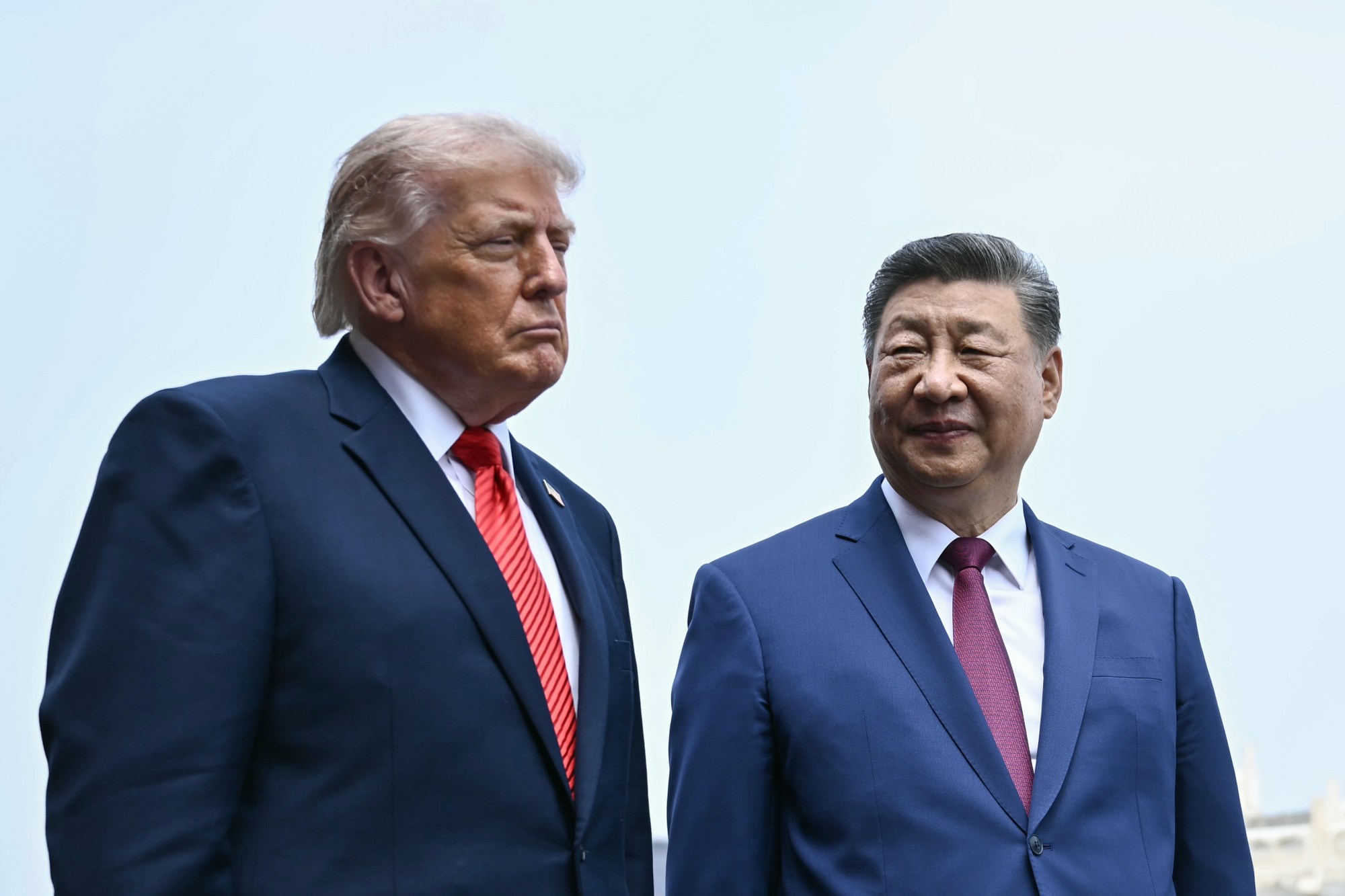
U.S.-China summit meetings often bring potential for significant developments with global impact. The upcoming meeting in Washington between President Donald Trump and China’s leader Xi Jinping is expected to be particularly impactful. Having the meeting in Washington, rather than Beijing, is beneficial for U.S. interests and international security.
Historically, U.S. presidents have sometimes made concessions to China regarding Taiwan. This pattern began with Richard Nixon in 1972, leading to Taiwan’s de-recognition. In 1998, Bill Clinton made the ‘three nos’ statement during his China visit: no U.S. support for Taiwan independence, no ‘Two Chinas’ policy, and no support for Taiwan’s international participation.
Holding the meeting in the U.S. ahead of midterm elections might provide Trump with a minor negotiating edge. Yet, Trump could lose this advantage if he seems too eager for a deal to boost Republican prospects in November. Trump’s primary goal is a successful trade agreement. However, Xi might seek a concession suggesting a weakened U.S. stance on Taiwan’s defense. Such a move could hurt Trump politically.
Xi has previously warned Trump to be cautious about Taiwan. Trump has typically avoided reacting to these warnings, emphasizing his ‘great’ and ‘friendly’ relationship with Xi. During the COVID pandemic, Trump initially praised Xi’s intentions, later expressing disappointment when the crisis escalated in the U.S. Despite this, during Trump’s second term, relations seem to have improved.
Trump’s diminishing electoral prospects also weaken his negotiating position with Xi on trade and Taiwan. A potential scenario might involve Xi offering a minor trade benefit if Trump agrees to symbolic language on Taiwan, such as halting weapon deployments in the Taiwan Strait.
Trump should reject such offers. Instead, he could propose a bold resolution on Taiwan, aiming for regional peace. Once Xi arrives in Washington, Trump might suggest a permanent Chinese renouncement of force against Taiwan, with Taiwan pledging not to declare independence for a decade or until Xi leaves office. Taiwan would retain its independence with U.S. military support. Trump could pledge U.S. defense and immediate recognition of Taiwan if China uses force, challenging China’s ‘independence means war’ stance by stating ‘war means independence.’
Joseph Bosco, who served as China country director for the secretary of Defense from 2005 to 2006, is nonresident fellow at the Institute for Corean-American Studies and advisory board member at both the Global Taiwan Institute and the Vandenberg Coalition.