
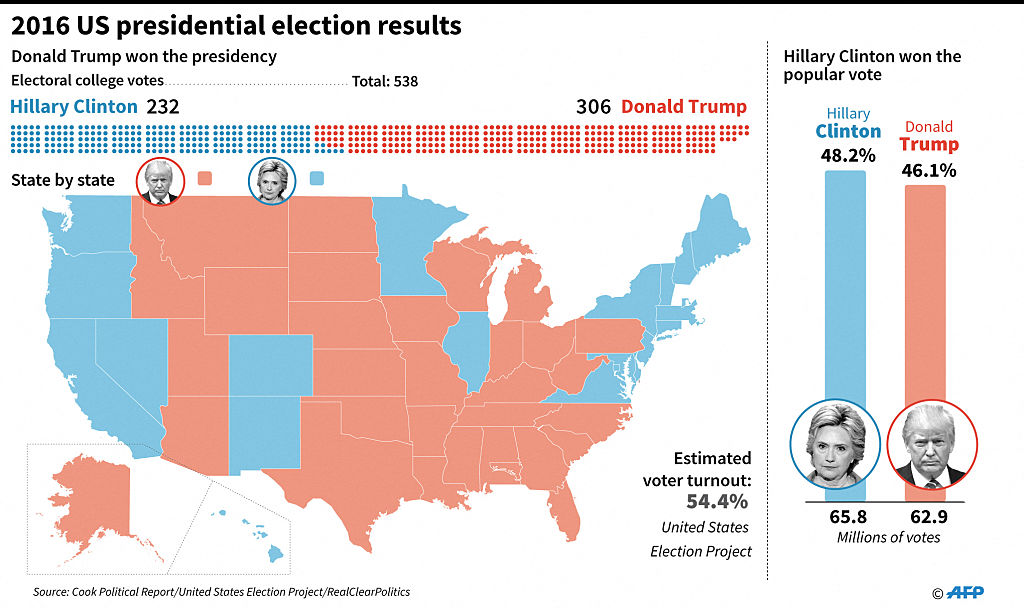
After significant gains in recent elections, Democrats now see an opportunity to address the Electoral College, which has played a crucial role in determining U.S. presidential outcomes at least twice this century. Although abolishing the Electoral College entirely would require a constitutional amendment, a path exists to render it less influential through the National Popular Vote Interstate Compact. This agreement would become effective if enough states, collectively holding at least 270 electoral votes, join the compact.
Understanding the National Popular Vote Interstate Compact
The National Popular Vote Interstate Compact involves states agreeing to allocate their electoral votes to the presidential candidate who wins the national popular vote. This represents a shift from the current system, where most states use a winner-take-all method to allocate their electoral votes. This existing approach has enabled candidates to win the presidency without a nationwide popular vote majority in five instances, including in 2000 and 2016.
Following the 2000 election, the idea to circumvent the Electoral College gained traction. By 2006, the popular vote compact was established, and since then, 18 states and the District of Columbia, holding a combined 222 electoral votes, have joined. The compact activates only once its members hold 270 electoral votes, the number required to secure the presidency.
Democratic Midterm Wins: A Path Forward
Recent elections have provided Democrats with control in states that could push the compact to the needed threshold. With new trifectas in Pennsylvania, Michigan, Arizona, Wisconsin, and Nevada, Democrats now have control over states with 61 electoral votes combined. If four of these states, especially Pennsylvania and Michigan, join the compact, it could move forward.
Pennsylvania’s Governor Josh Shapiro expressed interest in exploring a national popular vote, indicating potential support. In Michigan, Darrin Camilleri stated openness to the idea, anticipating Republican opposition. If these states agree, the compact moves closer to implementation.
Constitutional Challenges and Considerations
The constitutionality of the compact remains debated. Harvard Law’s Lawrence Lessig views it as permissible, given state legislatures’ power over elector allocation. Conversely, critics argue it contravenes the Constitution’s compact clause, which prevents states from threatening federal supremacy. However, some scholars believe it aligns with constitutional state powers over electoral decisions.
Impact on Presidential Elections
If enacted, the compact would prioritize the national popular vote in presidential elections. This would alter campaign strategies, emphasizing nationwide engagement rather than focusing only on swing states. Lawrence Lessig suggests this would democratize elections, making every state significant.
Akhil Amar warns of potential implementation issues. States could game the system by manipulating voting eligibility. Close elections might lead to recount resistance, and states might consider leaving the compact. Democratic support could be problematic, as effective governance requires bipartisan consensus.
Vikram Amar proposes delaying implementation to gain bipartisan support. A temporary operational period could demonstrate the compact’s viability, potentially driving constitutional reform. A successful trial might lead to a constitutional amendment abolishing the Electoral College, aligning national votes and presidential selection.