
Current Political Context in Maryland
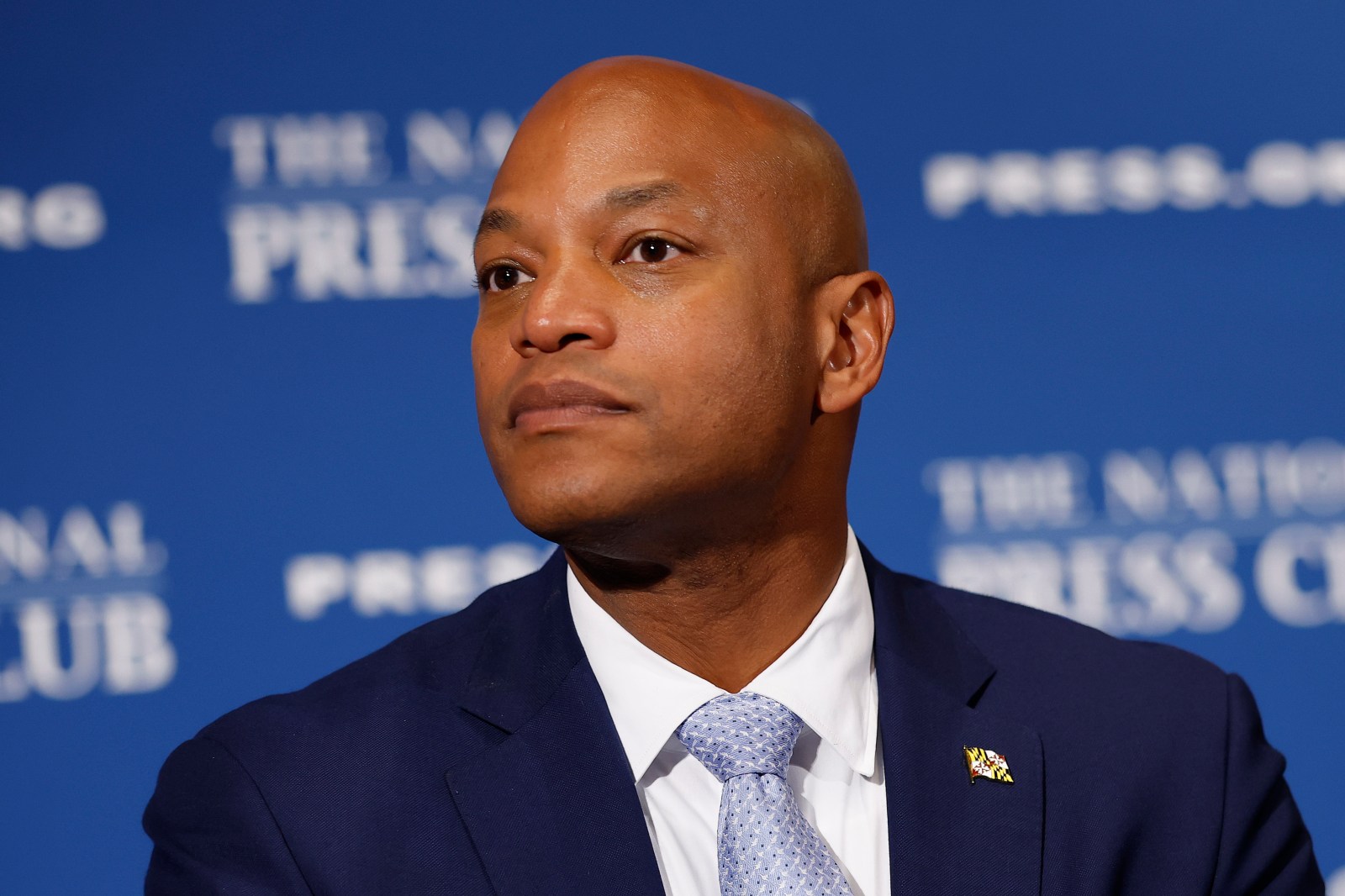
Maryland Governor Wes Moore, who won his election in 2022 with ease, enters the 2026 election cycle as a frontrunner for reelection. Yet, a recent decline in his approval ratings coupled with increasing voter concerns about taxes and affordability have given Republicans hope for a competitive race.
The Republican challenge involves unifying their base around one candidate, Dan Cox. After emerging victorious from a GOP primary, Cox aims to unseat an incumbent Maryland governor, a feat that has not been achieved by Republicans in nearly 80 years.
Dan Cox: The Republican Challenger
Dan Cox, a former Maryland state delegate and the Republican nominee for governor in 2022, has secured a rematch against Moore. Cox is a notable figure within the Maryland Republican Party, strongly supporting former President Donald Trump and aligning with the MAGA movement.
Despite criticism, many conservatives continue to back Cox, who has criticized Democratic efforts to influence the primary. In the 2022 election, Trump endorsed Cox, praising him as ‘MAGA all the way’ and a ‘True Patriot.’
Democratic Influence on the Republican Primary
In recent elections, Democrats have engaged in strategies to bolster far-right Republican candidates during primaries, believing these candidates are easier to defeat than moderates. Maryland Democrats are again trying to shape the GOP primary, employing tactics that benefited Moore in 2022. They aired ads on Fox News that highlight Cox’s connection to Trump, thereby increasing his visibility among GOP voters.
This strategy rests on the assumption that Cox, who lost significantly to Moore in 2022, would be a weaker contender than a more moderate Republican. Some Republicans claim this represents meddling in their primary, asserting that Moore prefers Cox as an opponent.
Political Dynamics and Voter Registration
Moore holds a natural advantage in Maryland due to the state’s voter registration dynamics. There are about 2.2 million registered Democrats compared to 1.02 million Republicans, granting Democrats a significant numerical edge.
However, Republicans are seeing slight growth in their voter base, while Democrats experienced a small decline in registrations since the 2022 election. This change raises questions about potential shifts in voter dynamics for upcoming elections.
Challenges and Historical Context
Republicans aiming to defeat Moore need overwhelming GOP support, strong showings among independents, and crossover votes from dissatisfied Democrats. Economic issues could aid Republicans in making their case. A poll showed that 58% of Maryland voters believe taxes are too high. Among these voters, a hypothetical Republican candidate leads Moore by a significant margin.
Larry Hogan, who served as a Republican governor from 2015 to 2023, provides a case study. His moderate approach attracted diverse party support, winning reelection in 2018 by a wide margin. Hogan’s victories offer lessons; however, defeating incumbents has historically been challenging in Maryland.
For Moore, aligning with voter priorities and navigating economic challenges will be crucial as the 2026 election approaches. While polling shows some concerns for Moore, including a decline in his approval ratings, he still leads comfortably against a generic Republican challenger.