
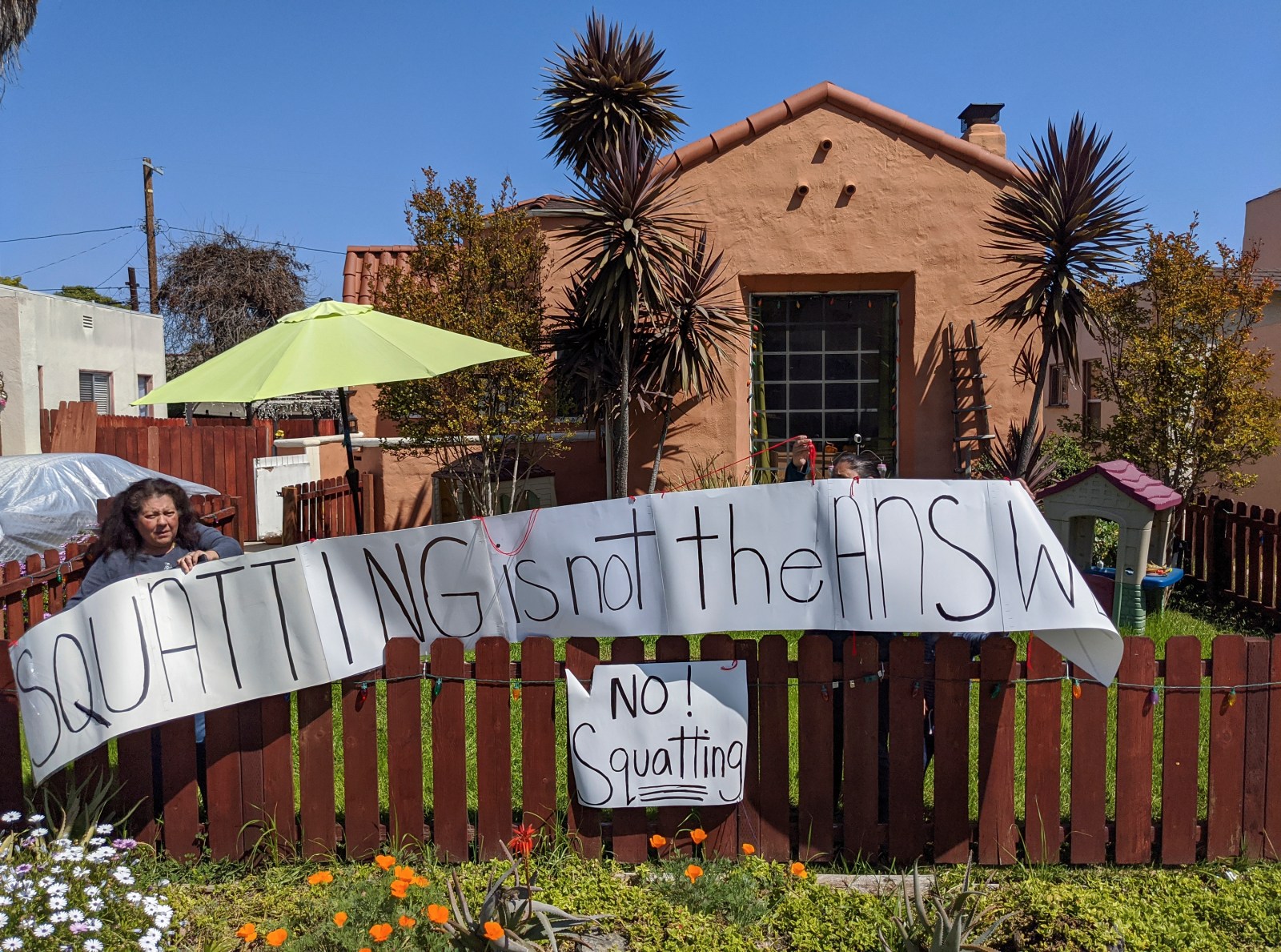
A Republican lawmaker in Maryland is advocating for a state registry to track repeat squatters. This initiative follows several notable squatting incidents, prompting the need for a database that law enforcement and property owners can use to identify those accused of repeatedly occupying homes without permission.
Proposal Details
State Delegate Ryan Nawrocki from Baltimore County has suggested that the squatters database would resemble a sex offender registry. Such registries are government-managed and track individuals convicted of specific crimes, requiring them to update their details with law enforcement. Most states allow public access to this information, enabling searches by offender name or location.
Nawrocki clarified that the database would not focus on single incidents. It would identify individuals who repeatedly squat, ensuring that law enforcement is aware of whom they are dealing with when responding to such situations.
Recent Squatting Incident
This proposal comes on the heels of a recent incident in Baltimore County, where police arrived at a newly renovated home occupied by 45-year-old Germarcco Dante Trayham. He allegedly provided the police with forged lease documents. A similar case involving Trayham occurred in January at another property, with inconsistencies noted in the lease document. Maryland court records show Trayham has a criminal history including armed robbery, assault, theft, and firearm-related offenses.
Newsweek has reached out for comments from Nawrocki and Baltimore County Police.
Legislation Against Fraudulent Leases
Lawmakers have approved bipartisan legislation aimed at preventing fraudulent lease documents used in squatting. Set to take effect in October, individuals creating fake residential leases with the intent to defraud might face felony charges with up to 10 years imprisonment. Currently, Maryland does not have a registry for squatters.
In January 2025, Nawrocki put forth HB202, legislation intended to criminalize organized squatting. He emphasized the importance of this measure, stating that families should not endure prolonged civil court battles to reclaim their homes. However, the legislation did not pass.
Broader Concerns and Actions
While comprehensive national squatting data is unavailable, housing advocates and legislators have noted an increasing concern about this issue. A 2024 survey by the National Rental Home Council reported over 1,800 homes occupied by squatters in three major metropolitan regions. In light of this, states like Florida, Georgia, and Tennessee have enacted laws to expedite squatter removals and bolster property owner protections.
Rising housing costs, vacant properties, and lengthy eviction processes have heightened concerns among property owners and lawmakers, underscoring the need for effective solutions.