
Mars, Incorporated has announced versions of M&M’s and Skittles without artificial food dyes. These new formulations use natural replacements like beet juice, turmeric, and spirulina. This initiative aligns with the broader goals set by the Trump administration to remove harmful food additives.
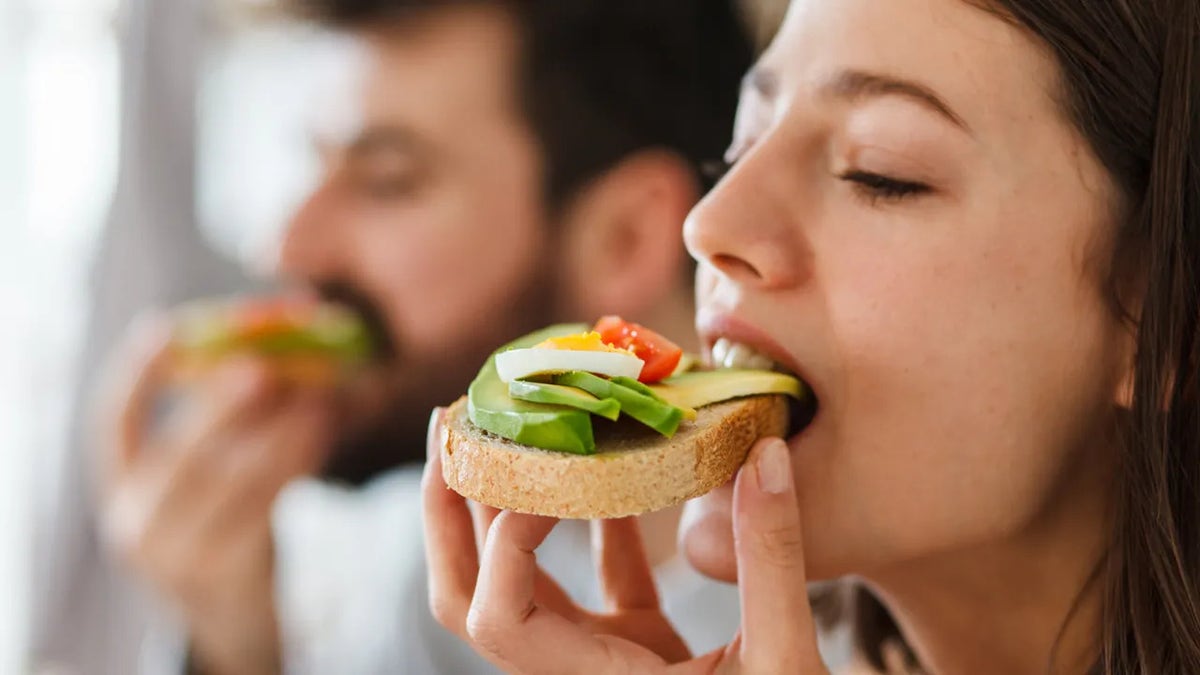
The focus on using natural ingredients resonates with President Donald Trump’s ‘Make America Healthy Again’ agenda, which places avocados as a key element in the newly revised food pyramid. However, domestic avocado farmers face challenges that could undermine these efforts.
Approximately 3,000 avocado growers in California are struggling due to an influx of avocados from Mexico. These imports come from regions affected by cartel activities, where growers face extortion and land seizures. As a consequence, the market sees a disruption in prices during the March-to-October harvest season, threatening the future of local farmers.
California avocado farms, often run by small, multigenerational families, adhere to high standards of labor, environmental care, and production. California’s Hass avocados are known for their consistency and quality, offering rich oil content and a creamy, buttery flavor. Despite this, their market is being negatively impacted by cheaper Mexican imports.
In the first half of the year, shipments of Mexican avocados to the U.S. increased by 32% compared to the same period the previous year. These imports often come at artificially low prices, creating unfair competition for U.S. farmers. Overreliance on foreign sources for avocados and other agricultural products can damage domestic farming communities, threaten food security, and harm consumers.
Cartel influence in Mexican avocado production raises a policy concern for the Trump administration. Cartels in these areas demand payments, seize land, and control communities. A recent alert issued by the U.S. Embassy in Mexico underscores the influence cartels have over the region’s avocado industry.
To protect California farmers, a tariff-rate quota (TRQ) on Mexican avocados is proposed. A TRQ would allow a set volume of duty-free imports, imposing higher tariffs on any imports that exceed this quota. This approach could help maintain year-round supplies while supporting local growers during peak season.
Quality remains a key differentiator, as California Hass avocados develop on the tree until fully mature. They offer a distinct taste and texture, emphasized by their higher oil content. The proposal for a TRQ includes ensuring USDA oversight and security to safeguard the food supply from diseases and pests.
Farmers deserve a market where following American regulations is not a disadvantage. Supporting domestic production ensures a supply of high-quality, U.S.-grown ingredients for consumers and food service providers. Implementing a balanced TRQ aligns with the ‘America First’ and ‘Make America Healthy Again’ policies by protecting local agriculture.
Andrew Gruel, founder of Slapfish restaurant and member of the Huntington Beach City Council, and Vince Fong, a representative from California’s 20th Congressional District, highlight the necessity of strengthening support for American agriculture to sustain communities and provide healthier food options.