
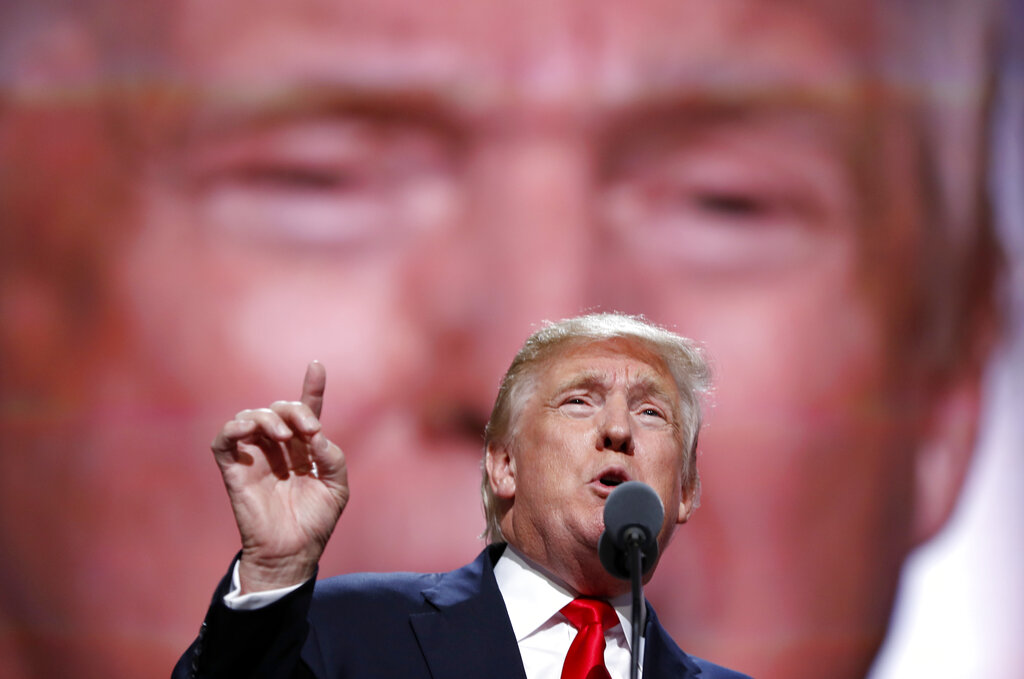
In July 2016, Donald Trump accepted the Republican Party’s presidential nomination. He delivered a speech highlighting America’s problems, offering himself as the sole solution.
This approach reflects the substantial power of the presidency, influenced by ideologues and special interests that drive Republican nominations. These interests prioritize agendas over candidates that respect the Constitution and rule of law. Without critical reforms, America risks falling into populist tyranny—something the Constitution’s Framers deeply feared.
Changes in Political Nominations
Two significant shifts have led to this point. Firstly, control over nominations has changed since the 1970s. Party officials aimed at general election victories with seasoned candidates have been replaced by narrow ideologically-driven groups. These groups use low primary turnouts to influence delegate choices at conventions.
This shift undermines the Constitution’s design to filter popular opinion and insulate elected officials from direct pressures. As Alexander Hamilton noted, the Electoral College aimed to ensure leaders were capable and virtuous, avoiding those prone to corruption.
The 2016 Election and Its Implications
President Trump’s 2016 nomination resulted from winning early primary supports in a crowded field, appealing mostly to conservative voters. However, the general election saw most voters identify as moderate or liberal. Trump’s dismissive attitude towards the rule of law didn’t deter Republican primary voters or the general electorate. Many backed him, influenced by party loyalty and opposition to Democratic figures and policies.
Expansion of Presidential Power
The second major change is the growth of unilateral presidential powers in domestic and global matters. Both Republicans and Democrats have increased executive power, allowing presidents to act independently in conflicts, international dealings, and more. Previously, party vetting usually filtered out unsuitable candidates, but Trump’s rise shows this safeguard’s erosion. An urgent overhaul is necessary to prevent autocratic tendencies in future candidates.
Reforming the Nomination Process
Reforms should focus on restoring the independence of unpledged Republican delegates, who prioritize the party’s reputation. Until 2012, many delegates could choose any candidate regardless of primary outcomes. By 2016, this freedom was reduced, binding delegates mainly to primary results.
The Republican Party needs balance by maintaining the influence of primary voters while empowering party leaders to redirect conventions if candidates threaten constitutional values. Critics argue such reforms weaken democracy, but they aim to prevent extreme candidates from dominating. Party leaders must reserve the option to use their delegates to support candidates aligned with constitutional norms and broad public views.
Without swift reforms, the risk of nominating another unprincipled candidate looms for 2028.
Lawrence R. Jacobs, a political expert, underscores the need for change. As a respected academic, Jacobs advocates for reforms to safeguard the democratic process and uphold constitutional integrity.