
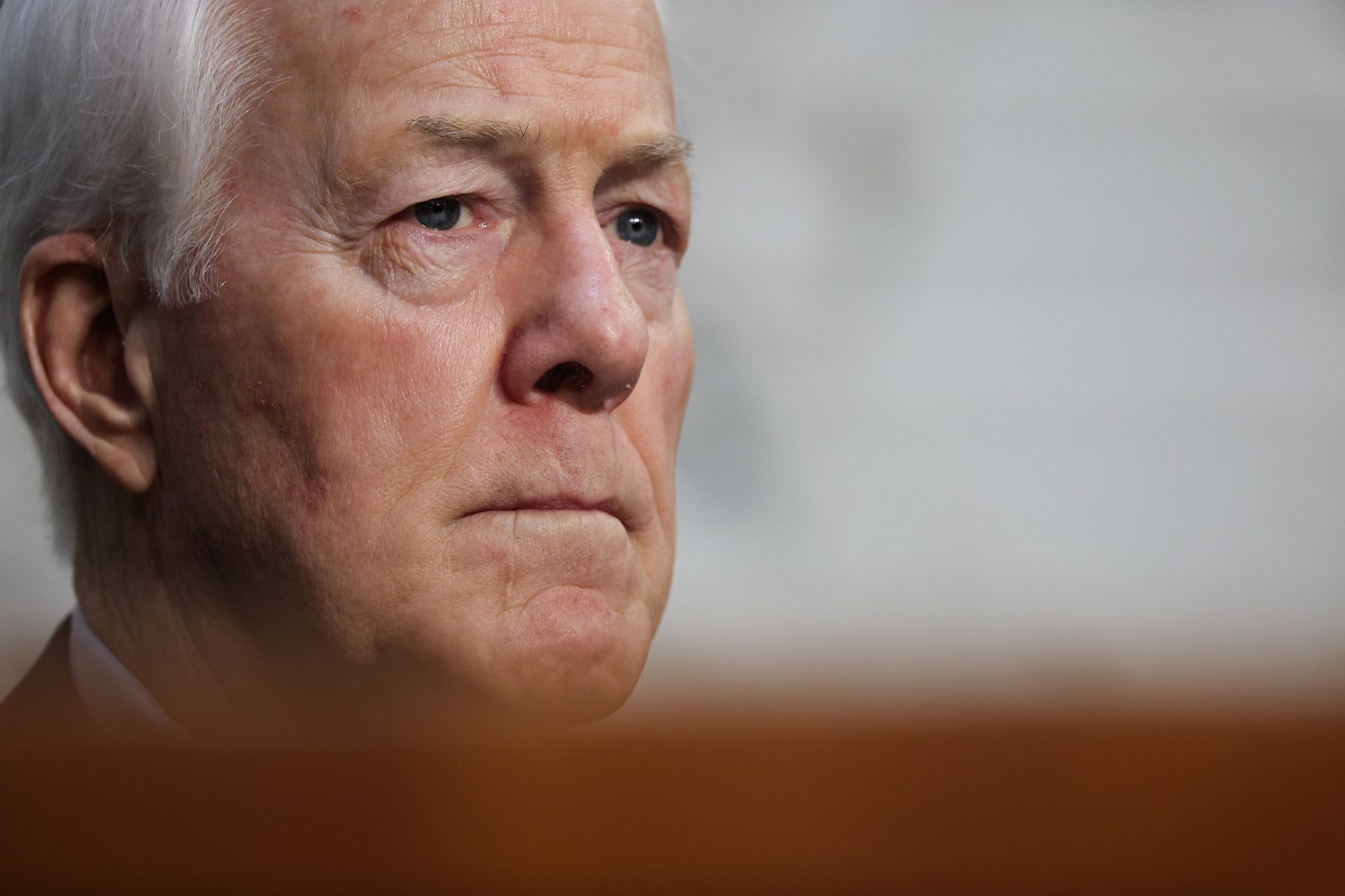
Outgoing Republican Senator John Cornyn of Texas issued a warning to his party ahead of the midterm elections, suggesting that the outcomes were predictable due to the GOP neglecting four basic rules of coalition politics. In a Wall Street Journal op-ed, Cornyn stressed that a winning Republican coalition requires the inclusion of diverse groups, likable candidates, fulfilling campaign promises, and upholding character and integrity.
Tuesdays’ election results saw significant losses for the Republicans, with the party losing control of both the House and the Senate. Despite the losses, President Donald Trump attempted to disassociate himself from the setbacks, stating that he wasn’t on the ballot and claiming that if he had been, a landslide victory would have occurred.
In Texas, traditional Republican strongholds faced defeats, notably Republican Attorney General Ken Paxton lost to Democrat James Talarico in the Senate race, and incumbent Governor Greg Abbott was defeated by Democrat Gina Hinojosa in the governor’s race.
Midterm elections are often perceived as a referendum on the political party currently in power, and historically, the president’s party tends to lose seats during these elections. Despite President Trump’s previous victories in Texas and key swing states during the 2024 presidential election against then Vice President Kamala Harris, the recent midterms marked a shift.
Cornyn’s Message to Republicans
As Republicans reflected on the significant Democratic victories, Cornyn, not endorsed by Trump during his re-election, shared his analysis. He noted successes in the 2024 elections were due to reaching out to men, Hispanics, and Black voters. Cornyn argued that losing candidates like Ken Paxton focused too narrowly on internal party disputes and theatrical politics, shrinking the party’s appeal.
Cornyn criticized candidates showing disdain for certain voters and who advocate for a smaller party. He cited Bo French’s comments at a University of Texas football game as an example of divisive rhetoric.
Another point Cornyn made was the need for candidates to be personable and appealing. He lamented the decline of articulate, likable figures like Marco Rubio and the rise of fringe candidates engaging in performative politics.
Regarding campaign promises, Cornyn underscored the importance of delivering on pledges, pointing out Trump’s immigration, economic, and social policies as factors that helped secure past victories. He questioned the gains for typical voters during Trump’s second term and highlighted areas where Trump repeated former President Biden’s errors.
He called attention to policy concerns such as Trump’s tariff policies, immigration enforcement, and dealings with Iran while acknowledging successful policies like tax cuts and deregulation.
Lastly, Cornyn emphasized the importance of character and integrity, citing the necessity for Republicans to offer candidates free from scandals. He noted that Texas voters were presented with choices marred by personal scandals, damaging the party’s image.
Cornyn ended his message optimistically, asserting that Americans provided a roadmap for the party: focus on creating an inclusive, competent party addressing American concerns.
Expert Insight and Republican Reactions
Renee Cross from the University of Houston’s Hobby School of Public Affairs noted multiple elements impacting Texas races, including dissatisfaction with Trump’s policies, particularly regarding Iran, tariffs, and stringent immigration policies. She attributed some Democratic gains to Republican candidate weaknesses, like Ken Paxton’s scandals and campaign struggles, contrasting them with James Talarico’s effective campaign.
Cross highlighted demographic changes and policies by Governor Abbott that were unpopular among voters, exacerbating Republican challenges this cycle.
Regarding the GOP’s views, Trump partially attributed Democratic victories to the Iran issue but maintained he would make the same decisions again. Other Republicans, like Vice President JD Vance, outlined factors harming the party, ranging from the focus on U.S. relations with Iran to domestic policy adjustments.
Florida’s Governor Ron DeSantis described the election results as the worst in a century for Republicans in several regions. Senator Ted Cruz called the Democratic gains a “blue tsunami” and likened the scope of the Republican losses to Watergate repercussions, particularly emphasizing the impact in Texas.