
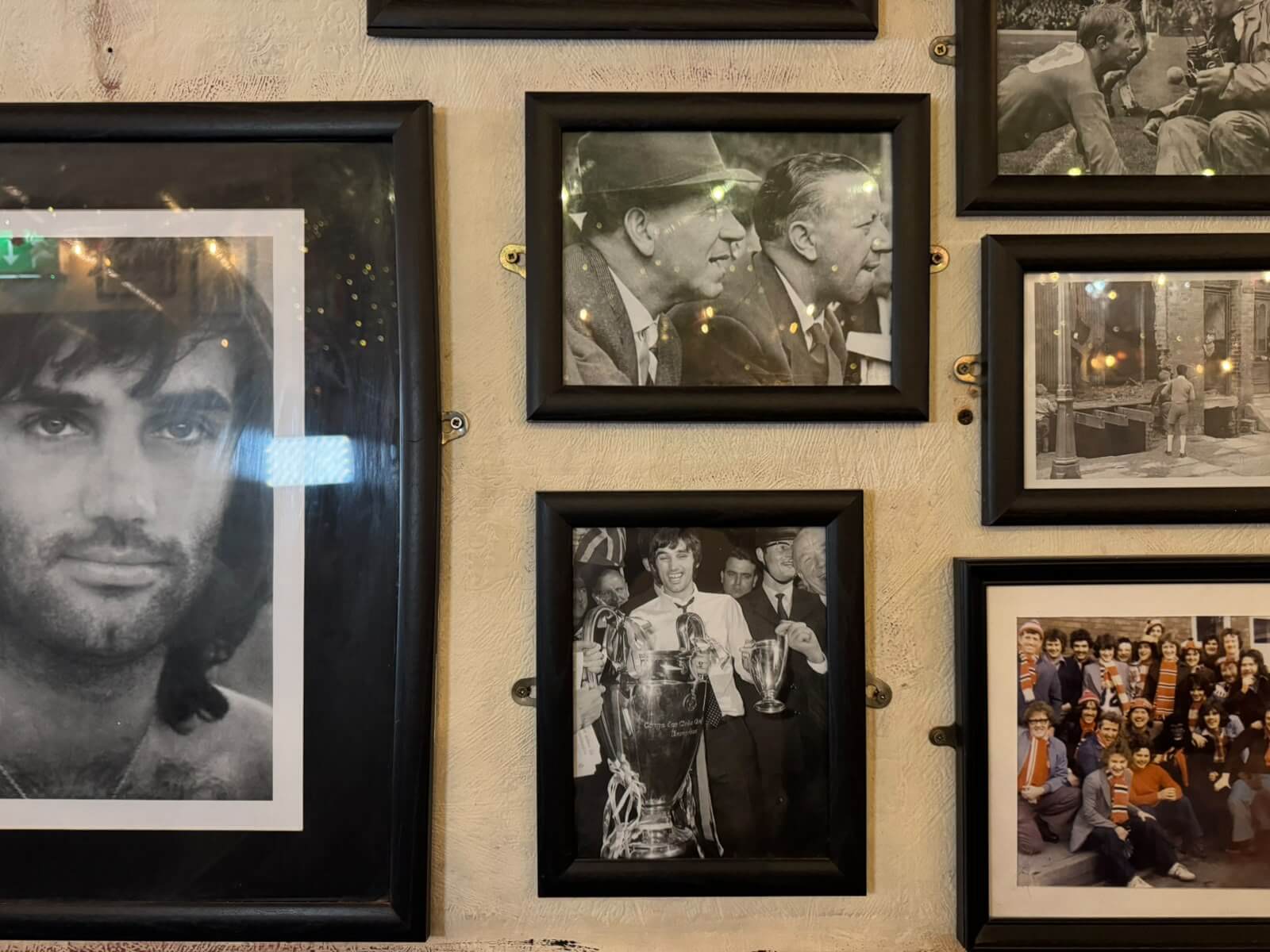
The Old Nag’s Head public house in Manchester city center serves as a testament to the club’s enduring European legacy. Its walls are adorned with historic photographs showcasing Manchester United’s illustrious European history, such as George Best holding the European Cup in 1968, manager Sir Matt Busby with the trophy, and images from the tragic Munich air disaster of 1958.
On Thursday night, this pub will be bustling with activity as United prepares for its home game. Fans will watch Sabah FK become the first Azerbaijani team to play Manchester United, marking the return of the Champions League to Old Trafford after a three-year hiatus.
The Importance of the Champions League
Manchester United and its supporters crave the prestige associated with European competition. The club faces financial challenges, with expectations to reach the Champions League’s last eight consistently. However, this has been achieved only once in the past 12 years. The financial incentives are notable, with £1.8 million ($2.4 million) per league-phase win on offer, further increasing if they progress to the knockout stages.
Despite the possibility of losing all eight league-phase games, the earnings from the Champions League far exceed those from the Europa League final of two years ago. According to estimates, United could secure a minimum of £45 million and potentially £129 million if they win the competition.
Even the club’s partnership with Adidas reflects this dynamic, as last year’s absence from Europe cost United £10 million in revenue from the kit agreement. This revenue will rebound to around £90 million by 2026-27 with their return to the Champions League.
The Broader Impact
Manchester’s hospitality sector welcomes the return of European football with open arms. The previous season saw only 20 home matches, whereas the current season promises closer to 30. This increase in games will benefit local businesses, from pubs to hot dog vendors.
Fans, too, eagerly anticipate European away trips to destinations like Como, Lisbon, Madrid, and Villarreal. UEFA’s introduction of ticket price caps for traveling fans has curbed excessive charges by Spanish clubs.
Expectations and Legacy
Though not a vintage United side, Coach Michael Carrick, a Champions League winner in 2008, emphasized the significance of competing in Europe: “Over a long period of time, this club has been used to challenging the best and being the best.”
United’s European honors include three titles in 1968, 1999, and 2008. This compares favorably against other clubs, though Liverpool boasts six titles.
At Old Trafford, the Munich Tunnel commemorates the 1958 air crash in Germany. At that time, United stood as pioneers in European competition, defying the English Football League’s resistance. Sir Matt Busby saw prestige in facing continental challenges.
The club started impressively, securing a 10-0 victory against Anderlecht in their first European home game played at Maine Road, as Old Trafford lacked floodlights.
Historical adversities, such as the snowy defeat against Athletic Club in 1957, often made United’s European journey more significant. Players like Bill Foulkes recounted the harsh winter experiences, and the tragic Munich disaster remains etched in the club’s history.
United’s return to European prominence in 1968 saw them triumph over Benfica at Wembley, crowned champions in an all-blue kit.
European football has profoundly impacted Manchester United. The 1999 and 2008 triumphs are celebrated, and Solskjaer’s dramatic winner in 1999 remains a cherished moment.
While United’s absence from top European competition has been felt, its return rekindles excitement and resonates with the global football community.