
For many years, weight-loss advice has often focused on the simple idea of eating less. However, recent research indicates that individuals can lose weight without reducing the quantity of food consumed by changing the composition of their diet.
A study published in JAMA Network Open found that overweight individuals who adopted a low-fat vegan diet achieved weight loss while maintaining the same amount of food by weight. The study focused on energy density, a concept explained by lead author Dr. Hana Kahleova, director of clinical research at the Physicians Committee for Responsible Medicine.
This is really the heart of what energy density explains,” Dr. Kahleova told Newsweek. “There’s a well-documented tendency for people to eat a fairly consistent weight or volume of food at a meal, almost regardless of how many calories that food contains.”
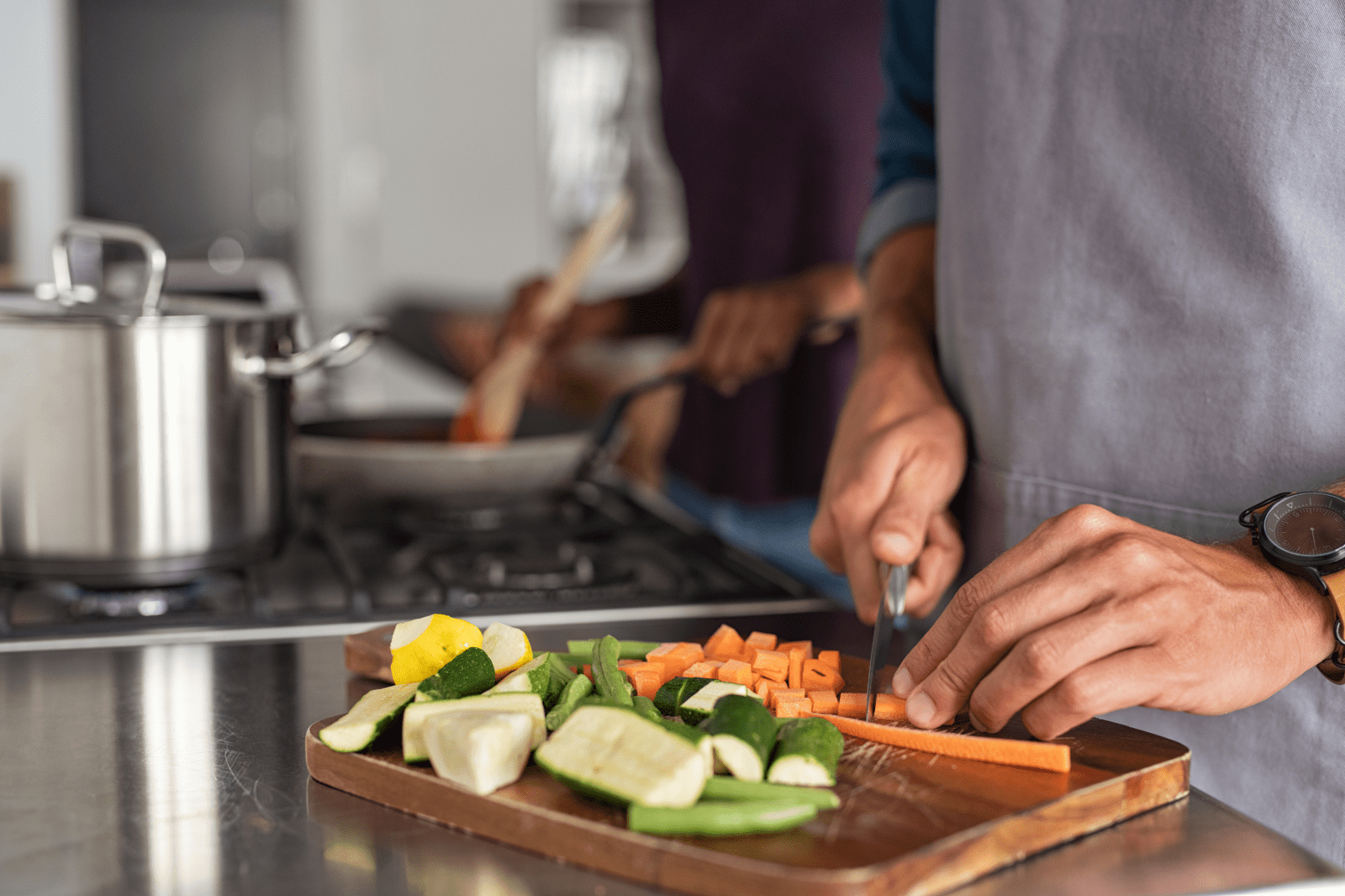
Dr. Kahleova pointed out that foods rich in water and fiber like vegetables, fruits, legumes, and whole grains allow individuals to eat a filling volume of food with fewer calories than meals centered around meat, cheese, and heavily processed foods.
The concept of energy density refers to the number of calories contained in each gram of food. The study analyzed a 16-week randomized clinical trial involving 244 overweight adults. Participants either followed a low-fat vegan diet or continued their usual eating habits, without calorie restrictions.
“In our study, participants who shifted toward a diet built from vegetables, fruits, whole grains, and legumes ate the same total weight of food each day as before,” Dr. Kahleova explained. “The volume of food didn’t change, but the energy density fell by nearly 30 percent.”
Vegan participants experienced a notable average daily drop in energy intake of around 357 calories, while the weight of food consumed stayed largely unchanged. Participants weren’t necessarily eating less food but consuming fewer calories per mouthful.
For those not adopting a fully vegan diet, Dr. Kahleova advises prioritizing foods naturally high in water and fiber while reducing calorie-dense options. Suggested strategies include:
- Fill half your plate with vegetables before adding other foods.
- Swap meat for beans, lentils, or tofu in meals each week.
- Choose whole fruit over juice or dried fruit.
- Limit added oils, butter, and cheese.
These steps leverage the fact that fat contains over twice the calories per gram compared to carbohydrates or protein and significantly lowers energy density.
Dr. Kahleova emphasizes that participants did not need to count calories or adhere to specific calorie goals. Rather, they naturally reduced calorie intake by adjusting their food choices.
This study encourages a shift in focus from quantity to the quality and composition of what we eat, promoting healthier eating patterns without the need for strict portion control.