
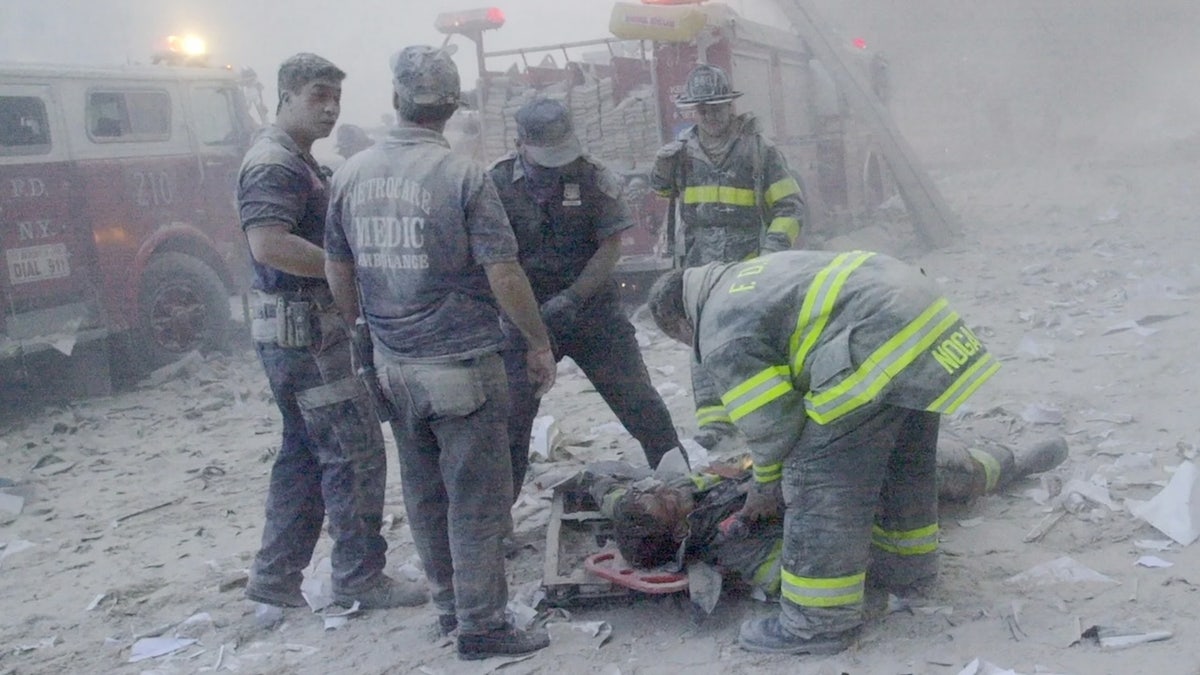
Many who were at Ground Zero on September 11, 2001, continue to face health challenges due to exposure. Lower Manhattan was filled with dust and debris, impacting first responders and survivors. Over 400,000 people were exposed to hazardous materials and stressful conditions, as reported by the World Trade Center Health Program.
Health Data from 9/11
As of March 2025, the WTC Health Program reported 8,215 deaths among its members, including 5,844 responders. These numbers reflect deaths from various causes, not specifically tied to 9/11 exposure.
A Responder’s Struggle
Mordechai Shedrowitzky, a volunteer EMT, is among those who faced long-term health issues. He recounted how the toxic air resulted in multiple hospitalizations and significant surgery. He described arriving in a dark, debris-filled Lower Manhattan to assist with the response.
Shedrowitzky experienced worsening asthma, leading to increased reliance on oral steroids and respiratory issues. Initially unaware that his symptoms were linked to 9/11 exposure, his health deteriorated over the years.
Medical Diagnosis and Treatment
In 2019, doctors diagnosed Shedrowitzky with tracheobronchomalacia, related to 9/11 exposure and long-term steroid use. A significant surgery in 2024 improved his condition, allowing him to plan a return to work as a physical therapist.
Despite ongoing infections, Shedrowitzky’s quality of life has improved, enabling better interaction with his family.
Addressing 9/11-Related Illnesses
Dr. Denise Harrison from the NYU Grossman School of Medicine’s WTC Health Program has been providing care since 2002. The program aids those impacted by 9/11, focusing on conditions like asthma, COPD, and gastroesophageal issues.
The dust produced on 9/11 was alkaline, irritating airways and affecting both respiratory and digestive systems. Many patients report co-occurring issues that complicate diagnosis and treatment.
Dr. Harrison noted the need for ongoing research, as the long-term effects of exposure remain significant. The WTC Health Program continues to support and monitor over 130,000 members across various health systems.
Seeking Help and Monitoring
Shedrowitzky urged others to seek help and monitor health issues potentially related to 9/11. Early intervention can prevent complications and improve quality of life.
With the program set to run until 2090, it focuses on both current and future responses to health problems arising from 9/11 exposure. Public patience is encouraged, as research continues to address these ongoing health challenges.