
Florida has recorded its first dengue fever death in 2026 as the mosquito-borne illness spreads across the United States. Almost 2,000 cases have been reported nationwide this year. An 80-year-old woman from Hillsborough County passed away on September 4 due to complications such as septic shock and multiple organ failure after contracting the virus, according to the Tampa Bay Times.
This death occurs during one of Florida’s most significant dengue outbreaks in recent years, while health officials observe increasing case numbers in several U.S. areas.
Understanding Dengue Fever
Dengue fever is a viral illness transmitted by mosquitoes that generally causes flu-like symptoms, such as fever, headache, and severe joint pain. Although it is not typically fatal, severe cases can lead to life-threatening issues like shock, internal bleeding, and organ failure.
Dengue Fever in the U.S.
The Centers for Disease Control and Prevention (CDC) indicate that the risk of widespread dengue transmission in the continental United States remains low. Most cases result from individuals returning from countries with higher dengue levels.
This year, 1,927 dengue cases have been reported in U.S. states and territories, with Puerto Rico accounting for 907 and American Samoa for 437, according to CDC data. Florida has reported 332 cases, the highest among U.S. states. Over 150 of these infections were locally acquired, meaning individuals contracted the virus within Florida instead of abroad.
Symptoms of Dengue Fever
The CDC states that dengue symptoms typically start two to seven days after being bitten by an infected mosquito. Common symptoms include fever, headache, eye pain, muscle pain, nausea, vomiting, and a rash. Approximately one in four infected individuals will experience sickness, with most recovering in a week.
Severe dengue fever symptoms include intense stomach pain, persistent vomiting, nose or gum bleeding, blood in vomit or stool, and extreme fatigue.
Assessing the Unusual Dengue Outbreak
The virus is spread by warm-weather mosquito species common in Florida. Recent outbreaks in the state are primarily linked to warm weather conditions. Health officials note that warmer temperatures and rainfall boost mosquito populations and create conditions favorable for outbreaks.
“We are seeing warmer temperatures and lots of rain. This gives these mosquitoes plenty of places to breed. They don’t need a puddle or a pond. All they need is water sitting in a flowerpot, bucket, tire, or other small container to breed,” stated Kristi Miley, a researcher at the USF College of Public Health’s Center for Global Health and Infectious Disease Research, in an article for USF Health.
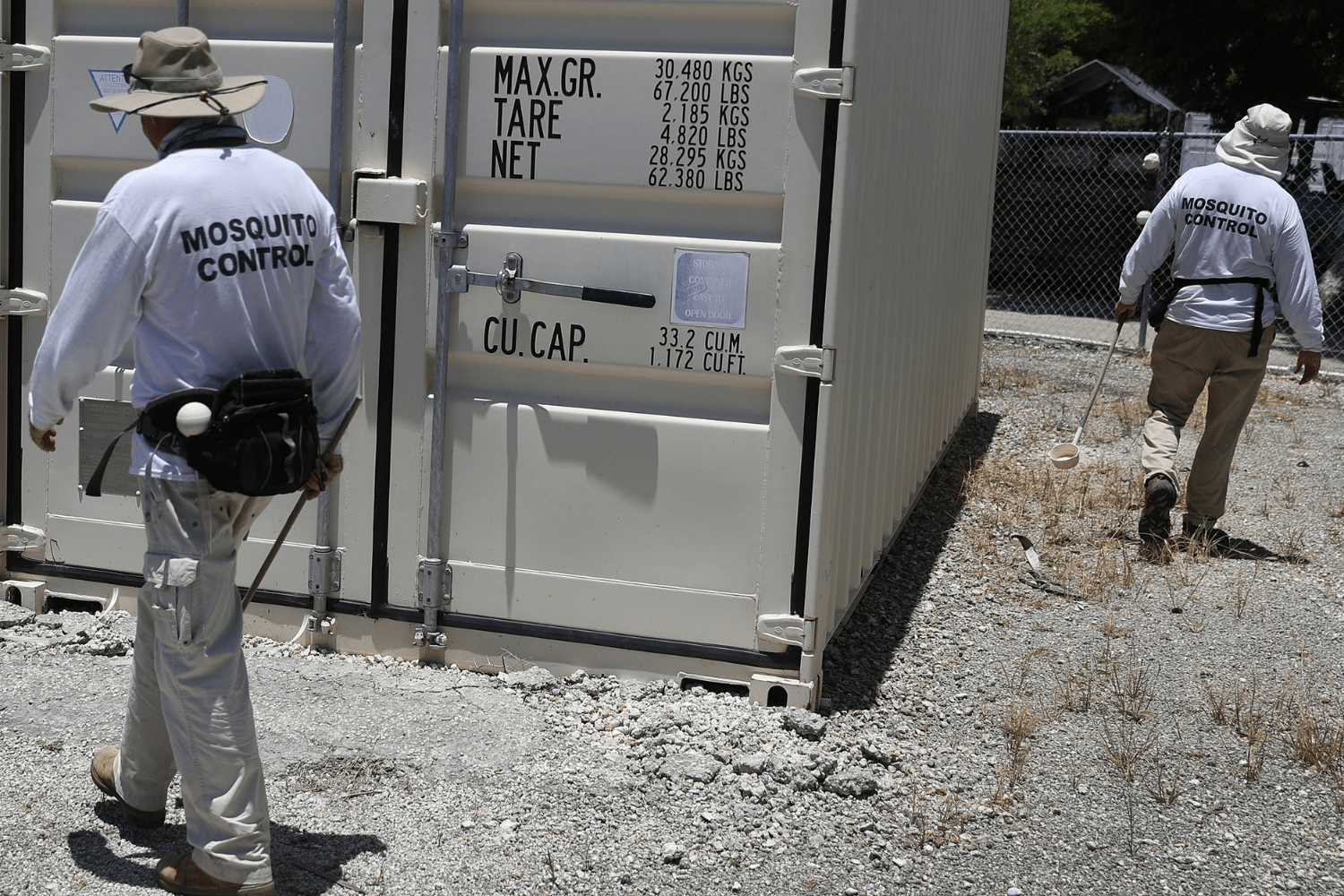
Hillsborough County officials have heightened mosquito-control efforts during the outbreak, including spraying and monitoring mosquito populations. Recent surveillance suggests that transmission may be slowing, although residents are still encouraged to take measures against mosquito bites.
Contact Newsweek editors on this story: John Fitzpatrick and Emma Lee-Sang.