
For several years, many in the golf industry believed LIV Golf, seen as a temporary experiment backed by Saudi funding, would soon crumble. Critics labeled those who joined the league as sellouts, anticipating LIV’s imminent collapse. However, recent developments suggest otherwise.
LIV Golf is reportedly nearing a significant milestone, securing over $250 million in external investment. According to the New York Post, various investment firms have submitted written commitments and term sheets, forming a financing syndicate to support the league’s operations until at least 2027.
LIV Golf’s prospective funding shows significant investor interest, providing a new lease of life to the league.
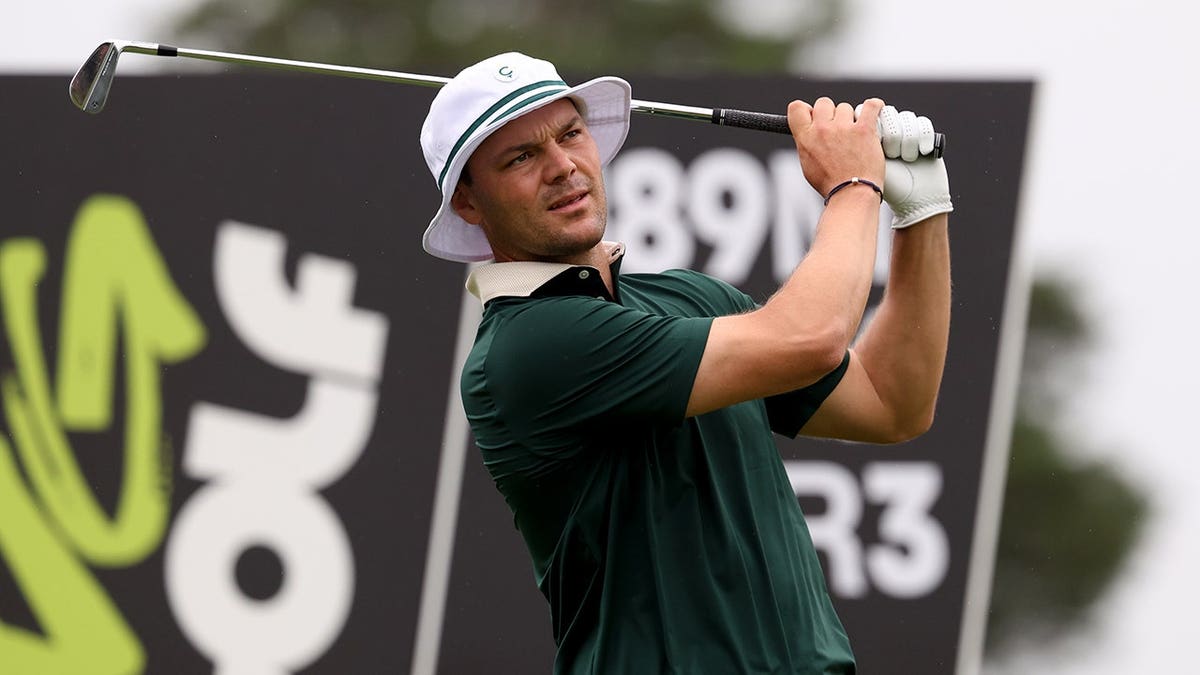
While the deal is not yet finalized, and LIV Golf declined to comment, this potential financing marks a crucial moment for a league many had prematurely written off. For example, Martin Kaymer competed in June 2025 during the final round of the LIV Golf Virginia tournament, illustrating the league’s ongoing activities.
Earlier this year, Saudi Arabia’s Public Investment Fund (PIF) informed LIV of its decision to halt further financial backing beyond the 2026 season. PIF had invested over $5 billion into LIV, covering hefty player contracts, tournament prizes, and international growth.
Despite critics anticipating LIV’s failure, the league responded by reorganizing its leadership and seeking external capital. Gene Davis, known for restructuring expertise, was appointed chairman, and investment bank Ducera Partners took charge of fundraising efforts.
Initial plans indicated LIV could achieve profitability within 20 months if it secured $250 million and curtailed expenditures. Other proposals estimated a need for $350 million, suggesting a more flexible approach in LIV’s future planning.
The extravagant spending common during LIV’s initial phase seems to be concluding. Offers of substantial signing bonuses are expected to decrease, along with potential reductions in tournament purses and event frequency. LIV aims to build a sustainable framework focused on media rights, sponsorships, and its 13 team franchises.
A planned new structure, tentatively called “LIV 2.0,” could involve players acquiring majority ownership, aligning them closely with the league’s financial interests and future.
LIV Golf will likely evolve, departing from its previous format. However, the notion of its inevitable collapse, favored by the golf establishment, may have been overly optimistic.
If the $250 million-plus investment materializes, it will not only provide LIV with necessary resources but also indicate investor confidence in its team model, international scope, and efforts to revamp traditional golf broadcasts.
Those hastily predicting LIV Golf’s demise might need to reconsider.