
The Indiana Fever’s 2026 season concluded with a tough 94-83 loss to the Las Vegas Aces, the defending champions, in Game 3. Dan Dakich criticized the officiating, citing instances like an unpenalized elbow to Caitlin Clark’s mouth and a questionable foul against Lexie Hull. The Fever’s exit was met with criticism towards the fanbase from WNBA players and media figures. Dan targeted pundits like Jemele Hill for their defense of incidents involving players like A’ja Wilson.
Throughout the 2026 season, divisive cultural issues surrounded the WNBA. Caitlin Clark and Sophie Cunningham, with their teammates, generated significant attention, affecting TV ratings and creating cultural debates. The league faced continuous scrutiny over its refereeing and media bias, impacting discussions on race and sexuality.
Cathy Engelbert’s tenure as WNBA commissioner will end this year. The league anticipates transformations, especially with two former NBA players aiming for the 2027 draft.
April: Setting the Stage
The Fever began 2026 with ambitions to secure a championship. Caitlin Clark and Sophie Cunningham returned from injuries, joining re-signed players and several new acquisitions, including Monique Billings and Tyasha Harris. Lexie Hull, a fan favorite, expressed challenges with media scrutiny and heightened physical play against Clark.
Despite challenges, the Fever retained a strong following, especially among young fans. The team maintained a championship focus, aspiring to surpass past near-final losses.
May: Building Tensions
Caitlin Clark returned on May 9 against the Dallas Wings, facing intense scrutiny. Officiating issues, compounded by media drama, followed Clark’s involvement in a concert appearance controversy. Clark, criticized for associating with Morgan Wallen, faced backlash while receiving support from teammates like Cunningham.
On May 17, Clark displayed her competitive edge against the Seattle Storm, answering criticism with performance. However, the Fever’s momentum fluctuated, resulting in losses and internal tensions, potentially undermining team dynamics.
June: Conflicts and Rivalries
Mounting pressure led to a pivotal team meeting addressing the Fever’s struggles. Some stability returned with wins, yet tensions persisted in games against rivals like Angel Reese of the Atlanta Dream.
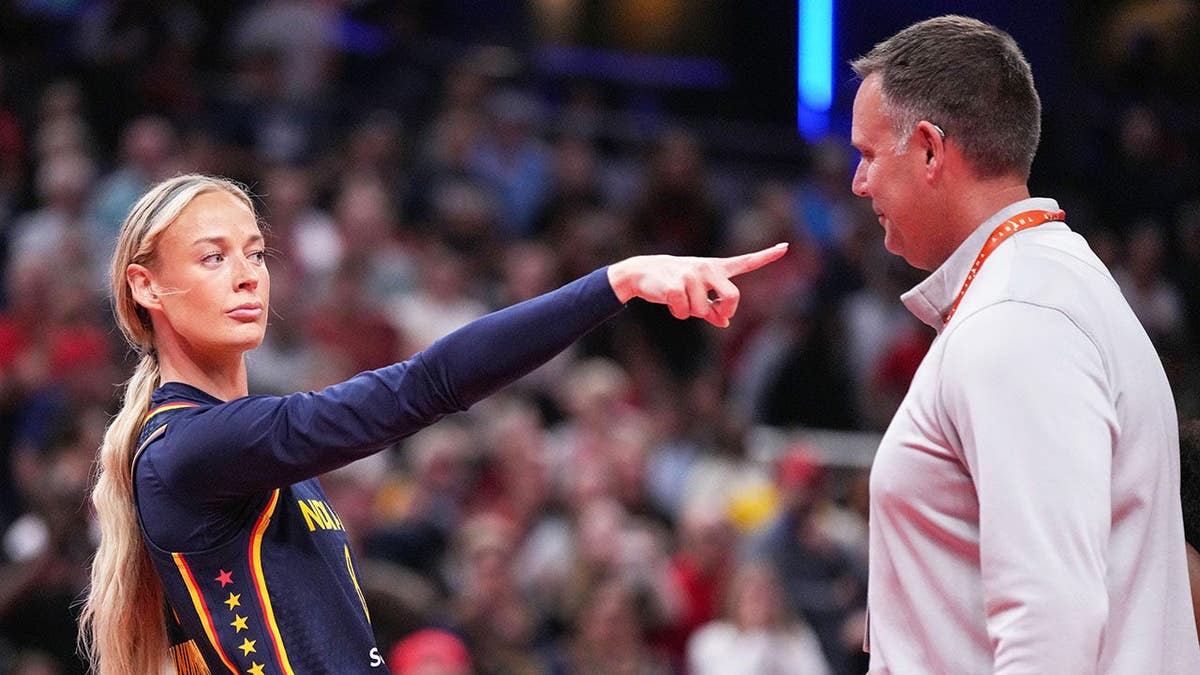
In late June, a game against Phoenix highlighted intense confrontations, culminating in a viral pointing incident by Cunningham. Clark’s altercation with Alyssa Thomas ignited controversy and led to postgame criticisms of WNBA officiating.
July: Advocacy and Division
The Fever became central to nationwide debates on women’s sports. Sophie Cunningham’s support for biological distinctions in female sports attracted rallies and protests. Major figures in sports media, politics, and even the Olympics weighed in on the discussions from various perspectives.
Prominent incidents, like DiJonai Carrington’s foul on Cunningham, emphasized racial dynamics and media narratives. The contentious season included debates on policies and the eligibility of former NBA players declaring for the WNBA draft.
August-September: National Spotlight
The Fever’s games drew attention from activists and political figures supporting or opposing Cunningham’s stance. The term “Sophie Night” emerged, as rallies became focal points of public discourse.
On September 13, Caitlin Clark and Angel Reese teamed up successfully for Team USA at the FIBA Women’s World Cup, momentarily uniting fans and critics.
Season’s End and Future Outlook
The Fever concluded their season with playoff elimination by the Las Vegas Aces. Controversial officiating highlighted the game, as Clark and her teammates battled intensely. Las Vegas, led by A’ja Wilson, secured victory with dominant performances.
Questions remain about player retention and leadership changes as the WNBA approaches the 2027 season.