
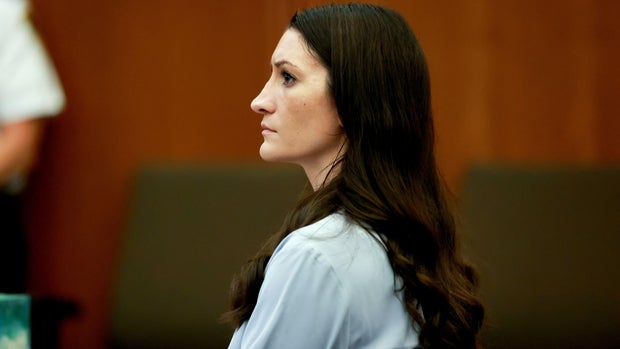
The trial of Lindsay Clancy has entered its 12th day at the Plymouth Superior Court. Testimonies continue as Latiesha Dukes, a mental health counselor, took the stand. Dukes had previously worked with Clancy, who faces charges of first-degree murder in the deaths of her three children.
Prosecutors Jennifer Sprague and Shanan Buckingham argue that Clancy planned the murders, staging a suicide attempt. Clancy’s attorney, Kevin Reddington, counters that Clancy was overmedicated and suffering from postpartum psychosis.
Mental Health Counselor’s Testimony
Dukes, associated with South Shore Hospital, began counseling Clancy in November 2022. Her primary concerns for Clancy included anxiety, insomnia, and suicidal thoughts. Dukes initially supported outpatient therapy with medication. In December, Dukes suggested partial hospitalization after Clancy had a difficult period. Later visits showed some improvement in Clancy’s mood.
Massachusetts State Police Investigator’s Account
Sgt. Dan Lawlor of the Massachusetts State Police testified about the night of the children’s deaths. He found Clancy injured at South Shore Hospital. Lawlor later went to Boston Children’s Hospital for updates on 8-month-old Callan. The testimony included discussions on access to Clancy’s hospital room and legal orders for psychological evaluation.
The cross-examination by Reddington revolved around conversations about a court order concerning psychologist Paul Zeizel’s access to Clancy. The defense questioned if suggestions were made to Clancy by Zeizel to report hearing voices, linking it to a call made to her then-husband, Patrick Clancy. Lawlor stated such conversations were speculative.
Further Developments in Clancy Trial
The jury also heard from Rebecca Jollotta, a psychiatric nurse practitioner specializing in postpartum patients, who met Clancy prior to the murders. Jollotta was among many who testified to Clancy’s mental state leading up to the incident.
If convicted, Clancy faces life imprisonment without parole. An alternative finding of not criminally responsible due to her condition would result in confinement at a state psychiatric facility.
For those in distress, the 988 Suicide & Crisis Lifeline offers assistance 24/7. Reach them by calling or texting 988. Additional support is available from the National Alliance on Mental Illness at 1-800-950-NAMI.