
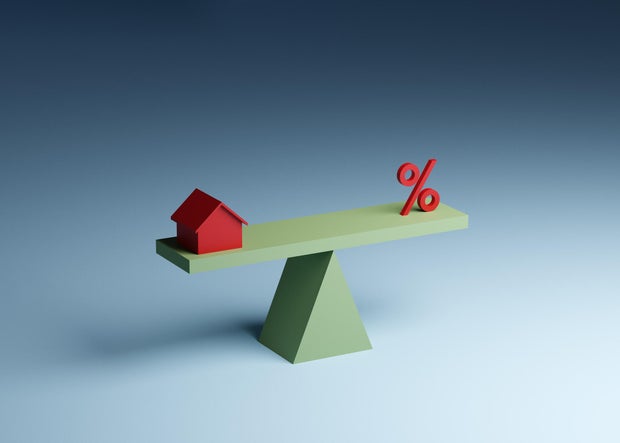
Prospective homebuyers recently received optimistic inflation news. The Consumer Price Index (CPI) reported an annual increase of 3.4% in July, down from 3.5% in June and 4.2% in May. Core inflation, excluding food and energy, also dipped to 2.5% from June’s 2.6%.
Impact on Mortgage Rates
These changes come when mortgage rates are high, with the average 30-year fixed rate at 6.75% as of August 12. This figure contrasts sharply with sub-3% rates recorded earlier in the decade. The Federal Reserve continues to monitor inflation and labor market trends, affecting borrowing costs.
For those planning to buy or refinance a home, understanding these economic trends is crucial. The recent inflation drop could influence mortgage rates, but various factors drive these rates. Here’s how inflation influences mortgage rates.
Inflation and Mortgage Dynamics
Falling inflation often signals potential lower mortgage rates, yet it does not guarantee immediate rate reductions. Mortgage rates link closely to bond market trends, notably the 10-year Treasury yield. High inflation prompts investors to seek higher bond returns to counter reduced purchasing power, leading to higher Treasury yields and mortgage rates.
Conversely, cooling inflation may prompt falling Treasury yields, potentially allowing mortgage rates to decrease. The consecutive decline in the CPI could offer positive developments for mortgage borrowers. Additionally, the inflation data matters for Federal Reserve expectations. The Fed’s actions, influenced by inflation, can impact the financial markets governing mortgage rates.
The labor market also shows signs of change, with a 23,000 job reduction in July, hinting at potential shifts in Fed rate expectations. However, further inflation and employment data, alongside market reactions, will clarify potential mortgage rate movements.
Navigating Today’s Mortgage Market
With rates above 6%, minor rate differences significantly affect borrowing costs. Focusing on controllable factors can be beneficial.
- Compare Multiple Lenders: Seek quotes from three to five lenders, as rates, fees, and terms differ.
- Enhance Borrower Profile: Improve credit scores, lower debt-to-income ratios, and consider larger down payments. Pay off credit card balances, check credit reports, and avoid new debts.
- Review Loan Details: Assess the APR for a full cost view and consider buying points to lower rates if staying long-term.
- Consider Loan Types: Explore government-backed or adjustable-rate mortgages, ensuring the loan suits long-term plans.
Ultimately, July’s inflation data suggests easing price pressures, offering a potential positive environment for mortgage rates. However, mortgage rates depend on multiple factors. While awaiting rate changes, buyers can benefit from lender comparisons and bolstering financial profiles.