
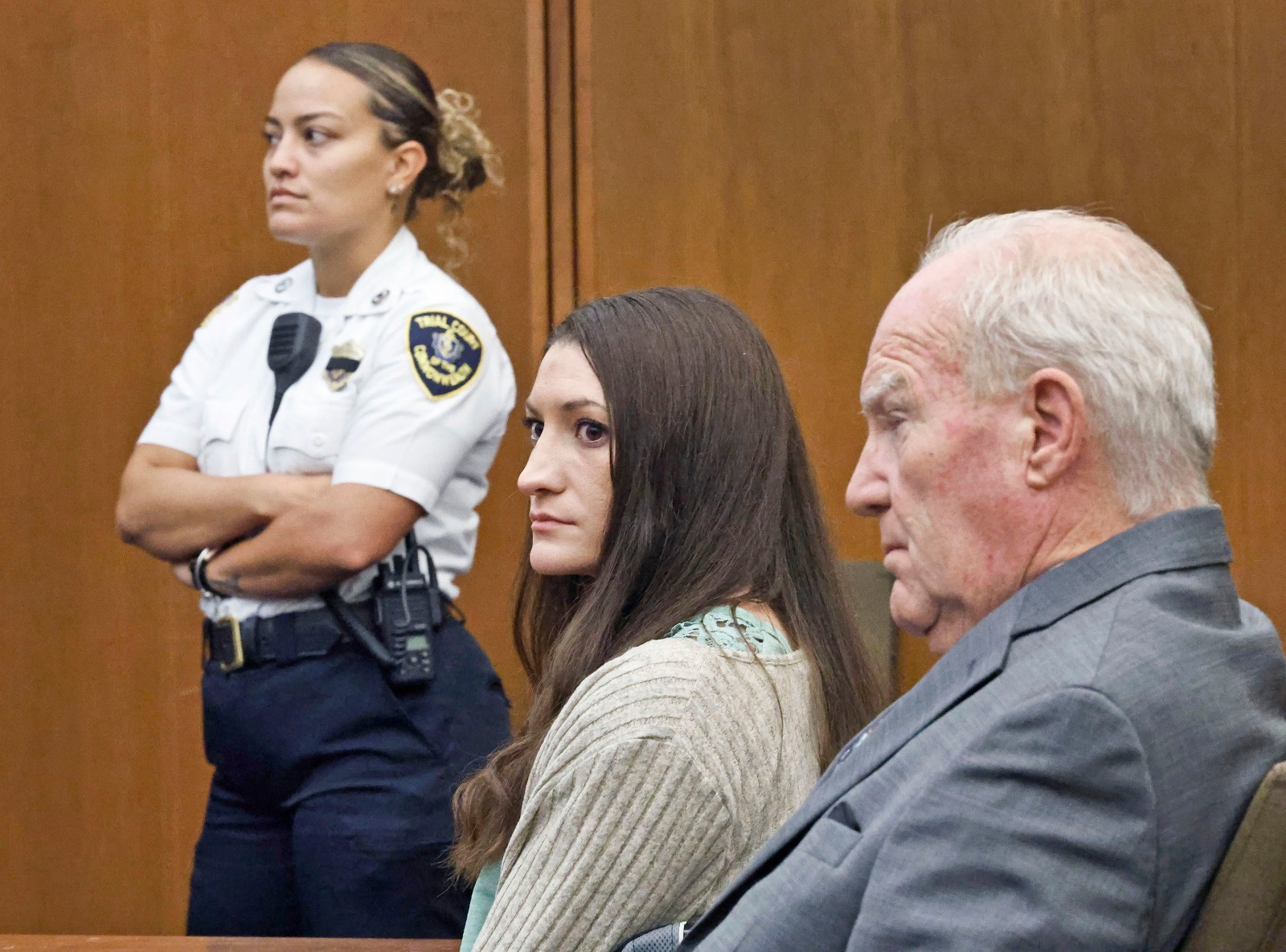
Upcoming Court Hearing for Lindsay Clancy
Lindsay Clancy is scheduled to appear in Plymouth Superior Court following a mistrial declaration in her murder trial. This hearing may reveal if prosecutors plan another trial or consider a plea deal.
Defense Challenges and Legal Arguments
Clancy’s lawyer, Kevin Reddington, argues against a retrial on double-jeopardy grounds. However, Seth J. Zuckerman, a former New York prosecutor, believes the defense lacks strong arguments. He noted that the U.S. Supreme Court allows retrials after a mistrial due to a hung jury.
Zuckerman highlighted judges’ discretion in declaring mistrials due to jury deadlock.
Jury Controversy and Investigation Requests
A dispute involves a holdout juror whose conduct is questioned. Clancy’s legal team wants the court to examine if the juror misrepresented information or behaved improperly during deliberations.
The defense argues that insufficient evidence was presented to prove Clancy’s criminal responsibility for her children’s deaths in January 2023.
Potential Outcomes of the Hearing
The court could decide on defense motions that might end the case without another trial. If a motion for lack of criminal responsibility succeeds, Clancy would be found not guilty, preventing further prosecution.
Zuckerman foresees two possibilities: prosecutors needing more time to decide on a retrial or signaling plea negotiations for reduced charges.
Mistrial Background and Future Steps
The mistrial, declared after a jury deadlocked 11-1, does not stop prosecutors from trying Clancy again. Judge Sullivan could still dismiss the case on double-jeopardy grounds or grant a not-guilty verdict based on insufficient evidence.
The prosecution has not yet confirmed plans for a retrial, and Tuesday’s hearing will focus on next steps following the mistrial.
Implications of Juror Dispute
Holdout juror Michael Desronvil denies having doubts about Clancy’s criminal responsibility, standing by his position based on trial evidence. The defense links the juror dispute to its argument against the mistrial necessity.
If the court agrees with the defense’s claim of unnecessary mistrial, it could influence the status of Clancy’s case.
Outcomes If the Case Isn’t Retried
Should prosecutors decide against another trial or if the court bars retrial, the murder prosecution won’t continue. The defense seeks a not-guilty ruling that would prevent further charges.
Alternatively, plea negotiations could occur. Clancy’s legal status depends on the court’s final ruling and her current psychiatric treatment at Tewksbury Hospital.
Key Importance of Tuesday’s Hearing
This hearing marks a significant step post-mistrial. It will address subsequent legal actions, including the prosecution’s stance on a retrial.
The hearing provides insight into whether Clancy’s case will face another trial or legal challenges over retrial permissibility.