
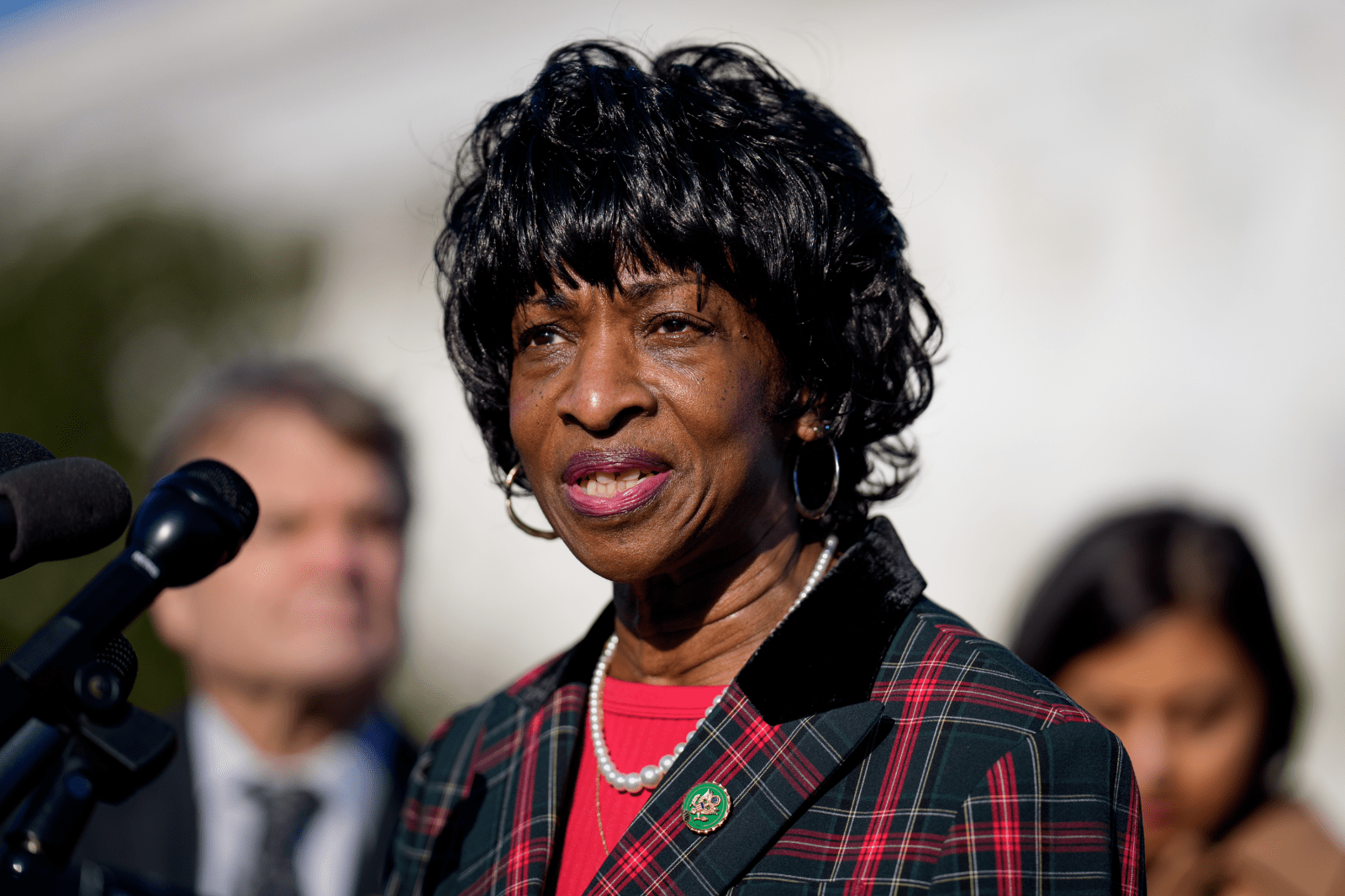
Representative Valerie Foushee, a Democrat from North Carolina, has introduced a bill aimed at offering financial relief to households affected by tariffs. The legislation proposes refundable tariff rebates worth up to $4,000 for eligible married couples, with additional allowances for dependents.
Impact of Trump’s Tariff Policies
The measure comes amid discussions about President Donald Trump’s tariff policies and their effects on household expenses. Trump, who returned to office in January 2025, has expanded tariffs on numerous imports. Supporters claim these tariffs drive domestic investment. Critics counter that these tariffs lead to increased consumer prices.
Details of the American Tariff Rebate Act
Foushee’s proposal, known as the American Tariff Rebate Act, aims to amend the Internal Revenue Code to establish a refund tax credit applicable for the 2026 tax year. Single filers would receive a $2,000 credit, while married couples filing jointly would be eligible for a $4,000 rebate. Families could obtain an extra $600 per qualifying dependent.
The credit is designed to be refundable, allowing taxpayers to benefit even if they owe minimal or no federal income tax. Foushee emphasized the bill’s intention to aid middle-class families who face high living costs.
Qualification Criteria
The bill targets lower- and middle-income groups by setting income limits for eligibility. The credit phases out for adjusted gross incomes above:
- $75,000 for single filers
- $112,500 for heads of households
- $150,000 for married couples filing jointly
Nonresident aliens, estates, trusts, and individuals claimed as dependents by others would not qualify for the rebate. The proposal includes a provision for advance payments in 2026, allowing eligible recipients to receive funds ahead of filing taxes.
Reasons for Rebates
Foushee’s office referenced data from the Joint Economic Committee Minority, which estimated tariff-related costs reached over $231 billion between February 2025 and January 2026. The average impact on households amounted to approximately $1,745 each.
While businesses have received refunds for tariff costs through legal decisions, families burdened by elevated prices continue to await similar relief.
Previous Rebate Discussions
The idea of returning tariff revenue to the public is not entirely new. In late 2025, Trump suggested a “tariff dividend,” proposing direct payments to lower- and middle-income Americans. However, such a scheme requires congressional approval, and no formal federal rebate program has been established. Democrats have also made separate rebate proposals. Earlier in 2026, Representative Henry Cuellar proposed similar legislation to counteract tariff-induced consumer cost increases.
Challenges to Passing the Legislation
The legislation currently faces significant obstacles. It has been referred to the House Ways and Means Committee and others for further evaluation but has not progressed beyond introduction. Initiatives requiring substantial federal expenditure often encounter difficulties, especially in a politically divided landscape.
The bill is in its early legislative phase, necessitating committee approval, congressional passage, and presidential endorsement to become law. For now, the legislation remains a proposal without authorized payments.