
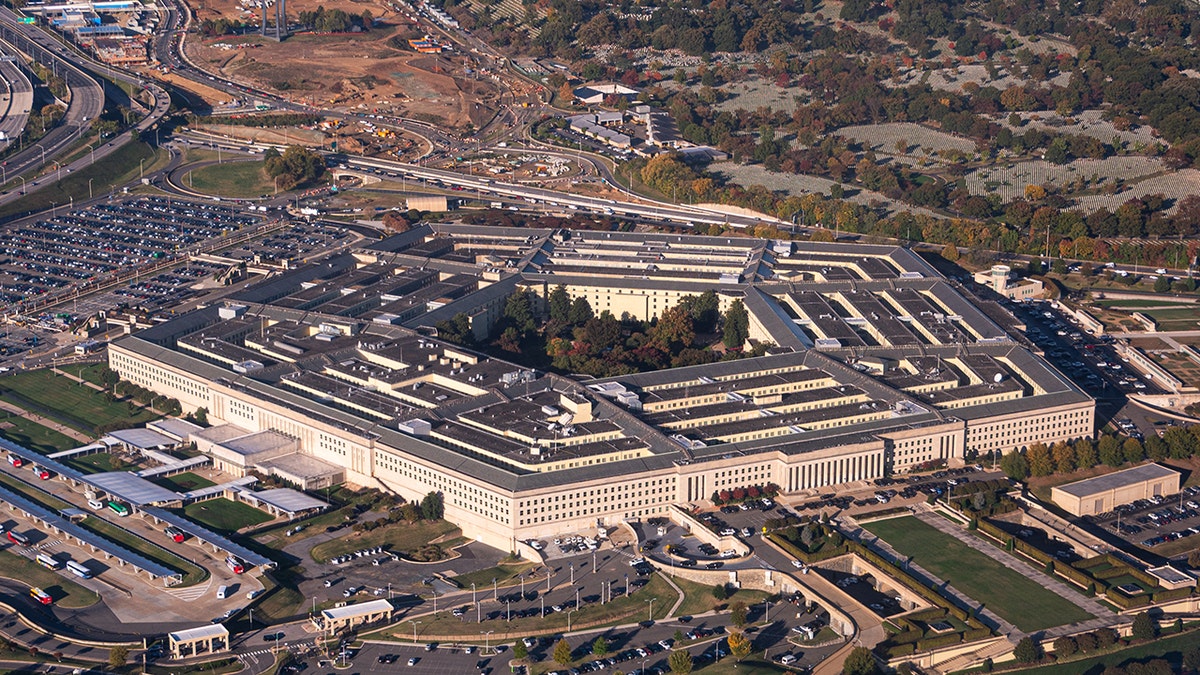
The Pentagon is currently facing legal action regarding claims of a ‘blacklist’ of journalists and news organizations allegedly maintained by the Trump administration. This lawsuit has been initiated by the Freedom of the Press Foundation (FPF) and The Intercept, and is filed in the U.S. District Court in Washington, D.C.
The issue arose following an exchange in July between Nick Turse, a reporter for The Intercept, and the U.S. Central Command (CENTCOM) public affairs office. Turse’s efforts to obtain information about Iran’s attacks on U.S. bases in the Middle East were met with resistance. According to the lawsuit, Turse was warned by Richard Allee, a CENTCOM public affairs executive assistant, about being placed on a list of people to disregard should he continue pursuing the story.
Turse questioned this list’s existence, to which Allee reportedly confirmed there was such a list, though details were not disclosed. Allee described it as a non-publicized list before ending the conversation.
The lawsuit also points to an August report by Turse, which stated that an unnamed U.S. official revealed a directive from the office of Secretary of War Pete Hegseth to avoid engaging with him. This prompted both Turse and FPF to file Freedom of Information Act (FOIA) requests to access related Pentagon documents, though CENTCOM has yet to respond.
These allegations have resulted in the Pentagon being accused of unlawfully withholding agency records. Lauren Harper, FPF’s Ellsberg chair on government secrecy, commented on these accusations, highlighting the importance of transparency in the Pentagon’s operations, especially given its substantial budget funded by taxpayers. Harper emphasized the critical role of an independent press in probing significant issues regardless of the administration in power.
Nick Turse described the alleged blacklist as contradictory to American values, asserting that neither Congress nor the public is receiving crucial information, including the impacts of the Iran War. Turse plans to pursue transparency through legal means if necessary, lamenting the Pentagon’s attempts to block essential questioning.
CENTCOM, on its part, denied the existence of a blacklist and characterized Turse’s claims as misrepresentations and harassment of staff. Meanwhile, a Pentagon spokesperson chose not to comment further on the allegations.