
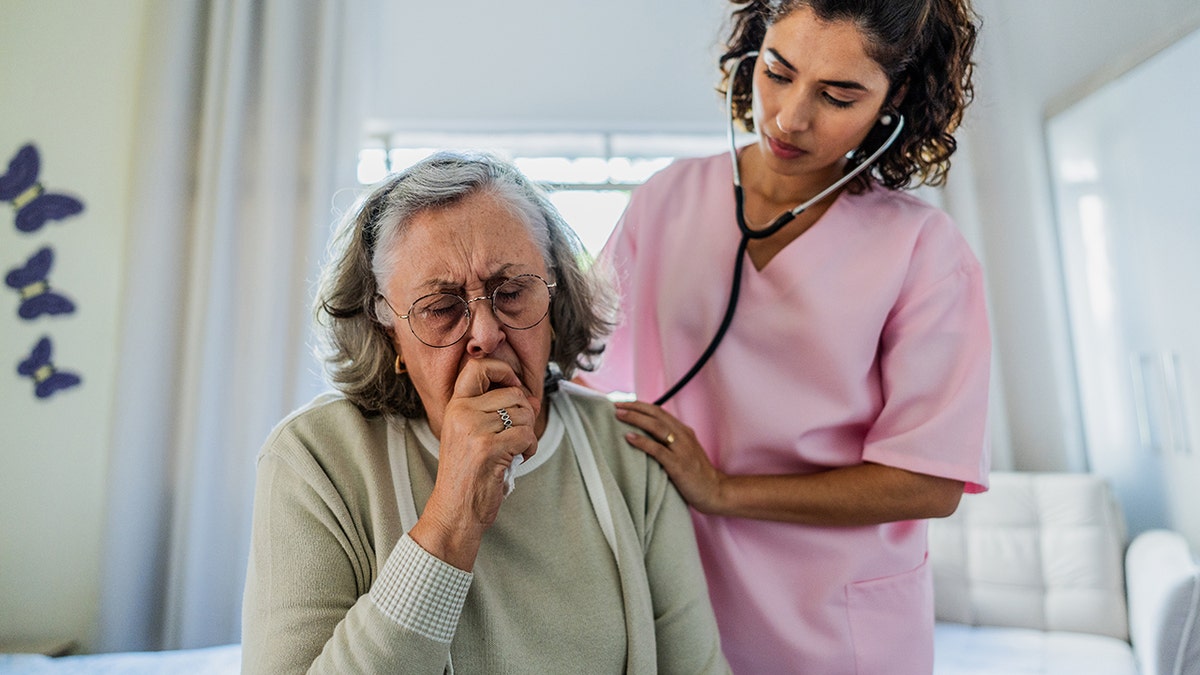
New York City is currently tackling an outbreak of Legionnaires’ disease, a serious form of pneumonia caused by Legionella bacteria. This outbreak has resulted in five deaths and 82 diagnosed cases as of July 21, with ongoing investigations by the city’s Department of Health and Mental Hygiene. Although no new cases have been reported recently, the risk remains a concern.
Understanding Legionnaires’ Disease
Legionnaires’ disease spreads through tiny water droplets contaminated with Legionella bacteria. It is not typically transmitted from person to person. Common infection sources include:
- Contaminated building water systems like cooling towers
- Hot tubs and plumbing systems
- Cruise ships and spas
Dr. Dana Mordue from New York Medical College explains that infection occurs when these aerosolized droplets are inhaled. Outbreaks often originate from commercial water systems, though home systems can also be a source if not properly maintained.
Symptoms and Risk Factors
The CDC identifies several symptoms such as cough, shortness of breath, fever, muscle aches, headaches, and, less commonly, diarrhea, nausea, and confusion. Typically appearing 2 to 14 days post-exposure, the disease may require antibiotic treatment.
Individuals with higher risks include older adults, smokers, and those with compromised immune systems, similar to COVID-19 risk factors. While the mortality rate is relatively low in healthy individuals, immediate medical attention is vital for those with specific risk factors.
Preventive Measures
To mitigate the spread of Legionnaires’ disease, the CDC recommends:
- Maintaining building water systems: Effective water management can prevent Legionella growth.
- Cleaning and disinfecting cooling towers: Regularly monitor and disinfect these structures.
- Preventing stagnant water: Ensure proper water flow and flush unused pipes.
- Controlling water temperature and disinfectant levels: Avoid warm water environments that facilitate bacterial growth (77°F to 113°F).
For individuals exposed, promptly seeking medical care is crucial. Early diagnosis and treatment minimize severe illness risks.