
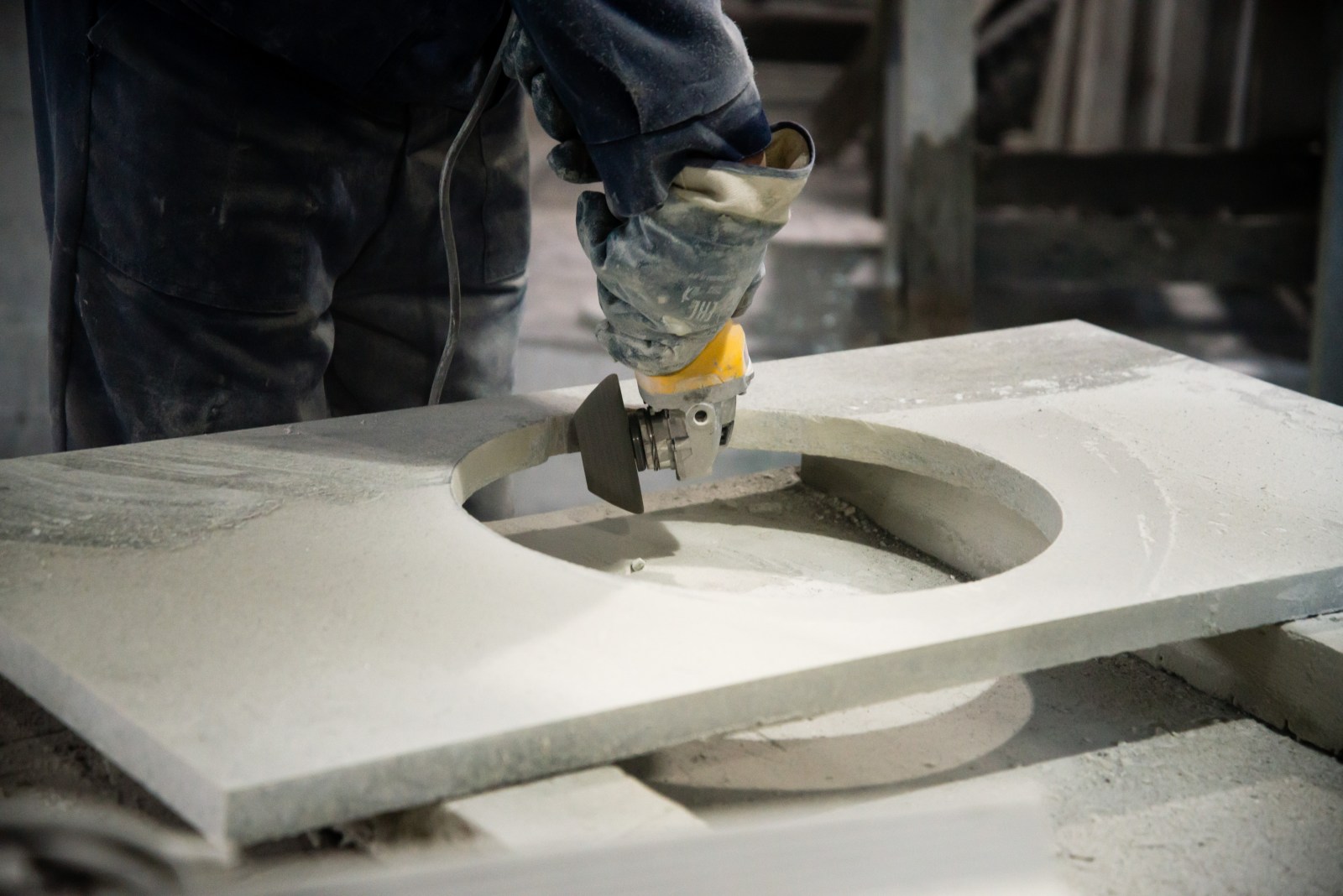
Hundreds of employees working with engineered-stone countertops in California have been diagnosed with silicosis, a serious lung condition caused by inhaling fine silica dust. According to a report from the California Department of Public Health (CDPH), covering cases between January 2019 and June 2026, 592 workers are confirmed to have the disease. Tragically, at least 31 have died, and 65 required lung transplants.
The findings have sparked new concerns about the dangers faced by those manufacturing, cutting, and installing engineered-stone countertops, often labeled as quartz. Since 2019, California officials have monitored the disease due to its relation to crystalline silica, which makes up over 90 percent of engineered stone. Cutting or grinding releases fine silica particles into the air, posing significant health risks.
Silicosis is a progressive and incurable lung disease caused by breathing in respirable crystalline silica, a very fine dust that can become airborne when materials containing silica are cut, drilled, ground, or crushed.
Silica particles can lodge deep within the lungs, leading to inflammation and scarring. This causes irreversible damage and can result in severe disability or death. Exposure to silica also links to lung cancer, chronic obstructive pulmonary disease, kidney problems, and certain autoimmune diseases.
Engineered stone contains high silica levels, making it particularly hazardous. Workers face exposure risks during processes like cutting and polishing where dust is airborne. Symptoms of the disease may include a persistent cough, fatigue, shortness of breath, and chest pain. Many develop silicosis without noticeable symptoms, leading to potential diagnosis delays.
Although irreversible, silicosis is preventable. David Michaels, a report co-author and professor at George Washington University, highlighted the likely underrepresentation of cases. He emphasized the need for health practitioners and public health departments to identify and address the issue, as thousands more cases might exist nationwide.
Outside California, engineered-stone workers in other states have also developed silicosis. A 2019 CDC report documented 18 cases, including two deaths, among stone fabrication workers in California, Colorado, Texas, and Washington. These workers handled mostly engineered stone, and many were under 50 when diagnosed.
The NIOSH issued warnings about the risks of respirable crystalline silica exposure to workers involved in manufacturing and installing these countertops. It cautioned that engineered stone contains over 90 percent crystalline silica.
Concerns over exposure are pronounced among relatively young immigrant workers from Mexico and Central America. Many cases relate to insufficient dust controls and late diagnosis. NIOSH and OSHA recently updated hazard alerts for workers handling these tasks, advising them to report occupational history to medical professionals. This is crucial, even in the absence of symptoms, due to possible lung damage.
Workers should inquire about dust control measures from employers. Essential practices include wet cutting, local exhaust ventilation, and enclosures to limit airborne silica. Depending on exposure levels, respiratory protection may be mandatory. These measures are critical for those producing or installing countertops, as silica dust exposure occurs during these processes rather than through regular countertop use in homes.