
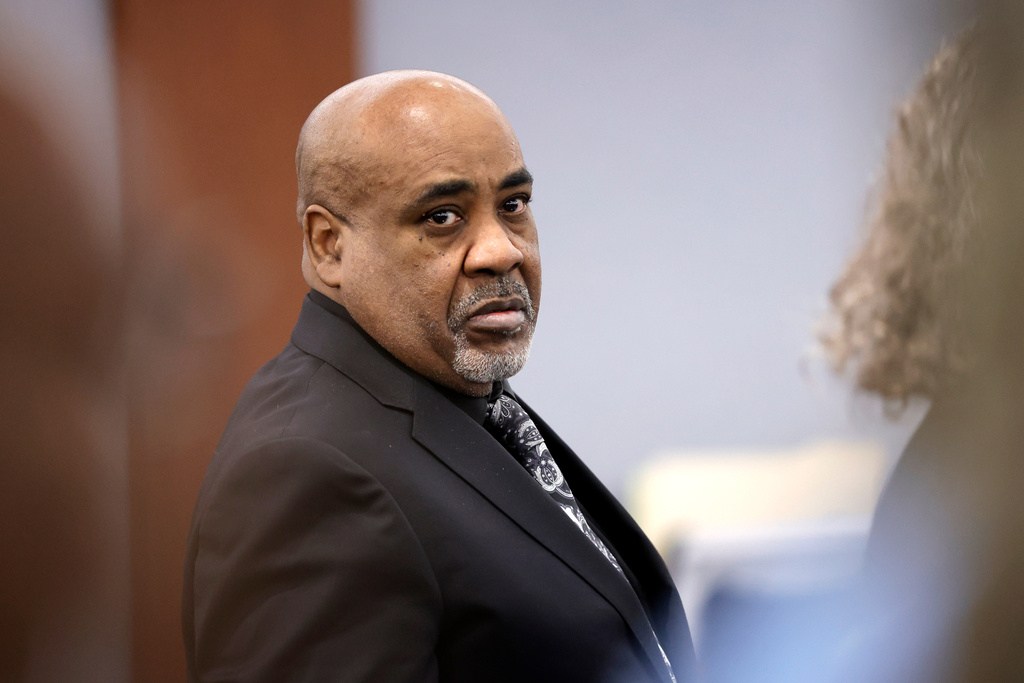
A Las Vegas jury has started deliberations in the murder trial of Duane “Keffe D” Davis. The prosecution heavily relies on Davis’ own statements regarding the 1996 murder of Tupac Shakur. Prosecutors argue that Davis’ admissions in various interviews, documentaries, and his memoir serve as confessions, standing in for missing physical evidence.
The jury’s verdict will decide if Davis, now 63, faces a life sentence and tests Nevada’s courts on accepting a murder case built from aged accounts, gang testimony, and circumstantial evidence. Prosecutors claim Davis’ statements remained consistent in key facts, contrasting the defense’s assertion that they were fabricated.
Davis’ Statements as Case Focus
The prosecution told jurors that surveillance footage or receipts were unnecessary because Davis repeatedly placed himself at the scene—through a 2008 federal proffer, a 2009 interview with Las Vegas police, a 2017 documentary, and his 2019 memoir. Chief Deputy District Attorney Binu Palal stressed passages where Davis described obtaining the gun, being in the Cadillac’s front passenger seat, and giving orders after his nephew’s fight.
The defense countered that witness accounts and physical evidence contradict Davis’ narrative. They noted discrepancies such as the alleged sighting of Shakur waving from a car window, which witnesses denied, and the incongruity of Davis’ claimed timeline regarding Shakur’s presence at the MGM.
2008 Proffer and Motive
Prosecutors revealed Davis’ 2008 proffer where he faced a life sentence for a narcotics charge and had to truthfully communicate details to evade prison. This included correcting investigators on non-public information related to Shakur’s entourage. This, they argued, illustrated truthfulness rather than deceit.
Gang expert testimony outlined the killing as retaliatory, linked to an attack on Orlando Anderson, Davis’ nephew, sparked by earlier gang conflicts. The defense challenged the existence of these events due to lacking documentation and paperwork.
Evidence and Investigation Challenges
Defense attorneys continually reiterated the absence of physical evidence placing Davis in Las Vegas. They emphasized investigative shortcomings with a slide listing 16 methods, none connecting Davis to the city. The mysterious Cadillac’s movements were also highlighted since no physical trace remains, deemed by defense as unresolved and speculative.
Gang Leadership Claims
Prosecutors maintain Davis was a gang leader responsible for orchestrating retaliation. The defense refuted accusations, pointing to the lack of evidence for Davis ever ordering a hit. They questioned the reliability of witness testimony due to the case’s age and missing reports.
Unusual Case Structure and Assessment
The prosecution’s approach is atypical, building the case around Davis’ historical statements rather than physical evidence. Attorney Sam Mirejovsky noted this deprived the defense of cross-examination opportunities, presenting challenges in evaluation.
Assistant professor Angelo Brown noted juror skepticism toward aged cases due to potential inconsistencies in historical accounts. Defense lawyer Joseph Tully highlighted that repetition of statements can reinforce credibility.
Outcomes and Appeals
Tully commented on potential verdicts, emphasizing that second-degree murder is possible if jurors doubt premeditation despite evidence of Davis supplying the gun. A split verdict rejecting gang enhancements could reduce sentencing severity.
If convicted, Davis is expected to pursue appeals focusing on his 2008 statements and jury instructions related to intent. The case’s age presents unique challenges in achieving a reliable conviction.
Awaiting Verdict
The jury’s decision will determine Davis’ fate. A conviction leads to a possible life sentence under Nevada law, while a deadlock may result in a mistrial. Judge Carli Kierny might instruct jurors to continue until a unanimous decision is reached.