
On Thursday, the jury in the Lindsay Clancy trial experienced emotional closing arguments, presenting starkly contrasting views of the Massachusetts mother’s mental state at the time of the tragic incident where her three children were killed. The session was marked by tears among jurors, highlighting the emotional burden of the case.
Defense attorney Kevin Reddington portrayed Clancy as a severely ill mother, ravaged by postpartum psychosis, bipolar disorder, and inadequate medical care. He implored jurors to understand her actions as influenced by psychiatric deterioration. In contrast, Assistant District Attorney Jennifer Sprague recognized Clancy’s mental illness but asserted that this did not absolve her of knowing her actions were wrong nor control over them.
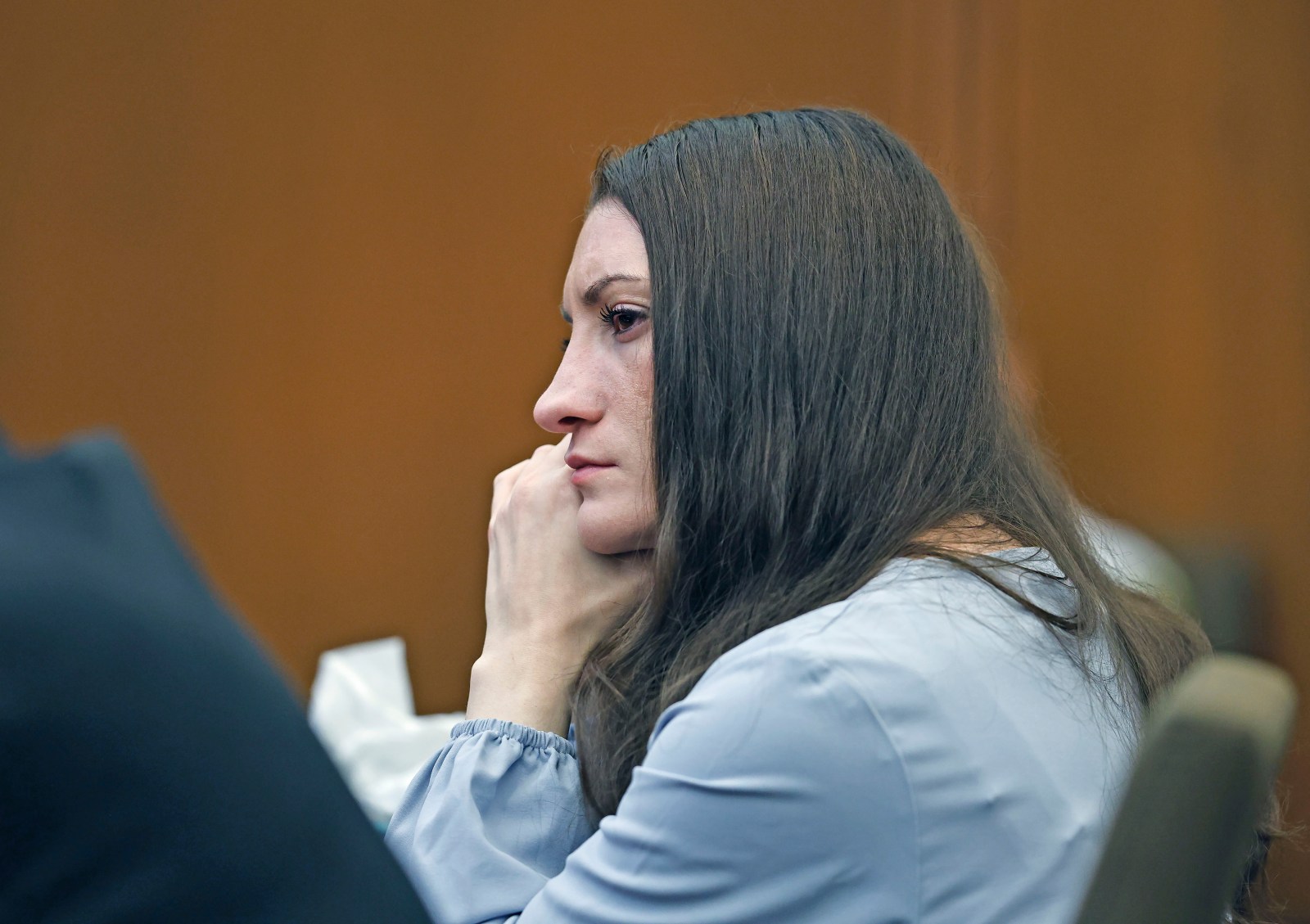
Throughout the closing arguments, the courtroom was visibly emotional. At least two jurors were seen weeping during the defense’s statements. During Sprague’s discourse, a female juror repeatedly wiped her eyes as the final moments of the children were recounted. Clancy also showed visible emotion during this painful description.
The Five Biggest Moments From Closing Arguments
1. Defense Attack on Prosecution Perspective
Reddington began by challenging the prosecution’s portrayal of Clancy, asserting she had sought help repeatedly but received insufficient treatment. He emphasized her mental deterioration and attempted to elicit empathy from the jurors, calling her a “damn good mother” and criticizing the prosecution for damaging her emotionally.
2. The Dramatic ‘Quarters’ Moment
Reddington theatrically used quarters to demonstrate how evidence had been misconstrued, dropping coins to separate benign facts from those casting guilt. In rebuttal, Sprague picked up one of these quarters during her closing, turning the defense’s prop against them, illustrating the heated exchange that marked the session.
3. Prosecution’s Emotional Imagery: ‘Broken Toys’
Sprague’s argument focused on the children’s perspective, emphasizing Clancy’s alleged indifference. She painted a devastating image, describing the children as “discarded like broken toys,” which deeply affected several jurors and Clancy herself, who was in tears during this portrayal.
4. Argument Over Errands and Alleged Deliberation
Sprague argued that Clancy orchestrated her husband’s absence for the purpose of committing the acts, underlining deliberate preparation, while the defense countered that psychosis doesn’t preclude seemingly organized behavior.
5. Legal Battle Over Criminal Responsibility
The defense claimed Clancy’s severe mental illness made her incapable of understanding the wrongfulness of her actions, while the prosecution argued that her coherent actions showed she had awareness of her wrongdoing, leaving jurors with two conflicting narratives regarding Clancy’s state of mind.
Potential Jury Verdicts
The jury now faces five possible verdicts:
- First-degree murder: Concludes premeditated or cruel nature, leading to life imprisonment without parole.
- Second-degree murder: Indicates criminal responsibility without elements for first-degree, with a life sentence and possible parole.
- Manslaughter: Carries a maximum of 20 years but subject to judicial discretion in sentencing.
- Not guilty: Clear acquittal due to prosecution’s failure to prove criminal responsibility.
- Not guilty by reason of lack of criminal responsibility: Rests on Clancy’s inability to comprehend wrongfulness, potentially leading to psychiatric confinement.
Future Steps
The jury composed of nine women and three men commenced deliberations on Thursday afternoon. They paused without reaching a verdict and resumed discussions on Friday morning. A unanimous decision is required for a verdict. If they remain deadlocked, a mistrial could be declared, possibly resulting in a retrial.