
America’s Catholic bishops are advocating for the U.S. Supreme Court to mandate changes in Florida’s criminal jury formation. They argue the current system violates the U.S. Constitution. Under Florida law, only capital cases require a jury of 12 people; other criminal cases have juries of six. The Supreme Court will hear a case from Hamed Kian, who was convicted by a six-member jury. Kian challenges this practice, claiming it violates his Sixth Amendment rights.
Several briefs support Kian, filed by current and former prosecutors, the American Civil Liberties Union, and the Catholic bishops. The United States Conference of Catholic Bishops submitted an amicus brief challenging a legal framework defended by Florida and other Republican-led states. They argue the original meaning of the Constitution’s jury-trial right requires 12 jurors and urge the Supreme Court to overturn its 1970 decision in Williams v. Florida, which upheld six-person criminal juries.
Details of the Kian v. Florida Case
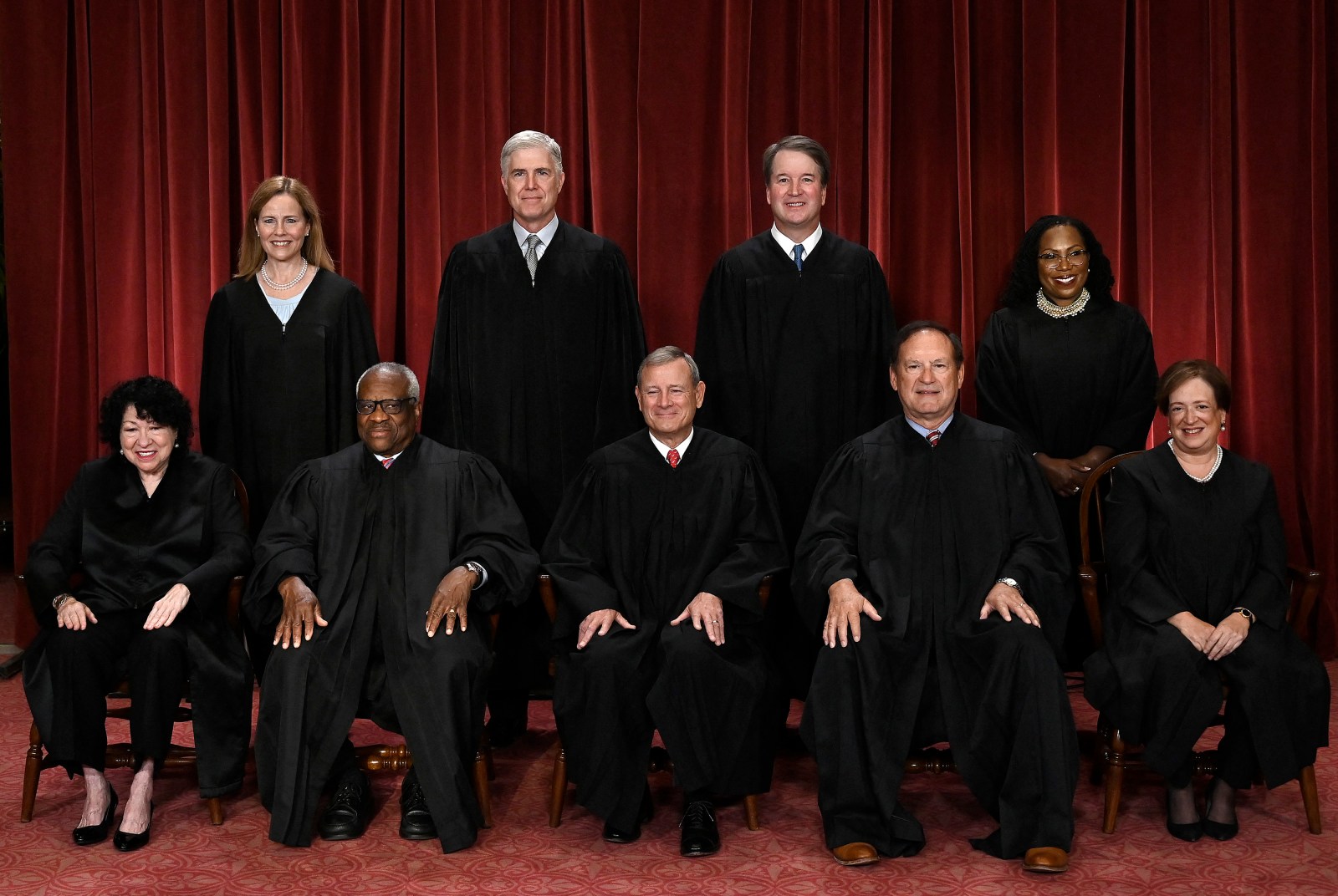
The dispute examines how many people must constitute a jury for serious criminal trials. Kian, a Florida chiropractor, appealed his convictions by a six-member jury, arguing the Sixth and 14th Amendments guarantee the right to a 12-person jury. The Supreme Court agreed to hear the case in June, potentially reassessing its 1970 decision in Williams v. Florida.
Kian faced charges for practicing chiropractic medicine with a suspended license, a third-degree felony in Florida. Prosecutors alleged he treated patients after his license suspension. The trial included testimonies from three patients and corroborative documents. A six-member jury found Kian guilty of all charges, sentencing him to one year and one day in prison and five years of probation.
Citing the Supreme Court Justice, Kian’s attorneys emphasized that the right to a jury trial should preserve the protections of individual liberty as understood at the Nation’s founding.
Historical Context and Legal Arguments
For centuries, criminal juries in England and the U.S. had 12 members. In 1970, the Supreme Court’s decision in Williams permitted smaller juries in some cases. Florida uses six-member juries in noncapital criminal cases, a practice dating back to the 19th century. Only capital cases require 12-member juries. Kian’s attorneys argue the Court’s unanimous verdict ruling in Ramos v. Louisiana undermines Williams and supports restoring the 12-person requirement.
The Catholic bishops argue the Church influenced the development of criminal justice protections and jury trials. They highlight the historical understanding of a 12-member jury by referencing founding-era dictionaries, common law authorities, and early court decisions. The brief, filed by the United States Conference of Catholic Bishops, emphasizes constitutional fidelity and historical meaning. It argues Williams deviated from history by emphasizing smaller juries’ functionality.
Florida’s Defense of Current Law
Florida defends its jury system, urging the Court to uphold its longstanding precedent. The state insists Williams was correctly decided and remains binding law, relied upon for over 50 years. Six states use juries smaller than 12 in some prosecutions. Overturning Williams could challenge thousands of cases.
Florida disputes whether smaller juries are less fair, citing studies and statistics indicating their functionality. The state’s attorneys argue the Constitution’s text doesn’t mandate 12-member juries, and earlier conclusions did not deem jury size a constitutionally essential feature like unanimity.
The Broader Debate
The case coincides with increased interest in originalism, advocating constitutional provisions be interpreted by their original meanings. Some conservative justices, including Gorsuch, have previously questioned Williams. This presents a unique division: Republican-led states wish to keep existing systems, while some religious conservatives and originalist scholars argue for historical fidelity despite practical challenges.
Why This Case Matters
A decision in Kian’s favor could reconfigure criminal procedure in several states, impacting thousands of convictions from smaller juries. It could represent a significant originalist decision revisiting 1970s precedents. Alternatively, upholding Florida’s system would maintain the status quo, affirming states’ flexibility in jury structuring.
This case highlights a rare division in modern legal politics, with Catholic bishops and Republican-run states on opposite sides in a constitutional battle before a conservative Supreme Court. The outcome will indicate the Court’s adherence to originalist principles against decades of settled practice in modern criminal justice.