
Reports indicate that small Iranian tankers are circumventing the U.S. naval blockade, transporting liquefied petroleum gas (LPG) to China via a maritime hub near Malaysia. Investigators from United Against Nuclear Iran (UANI) documented one of the vessels in transit.
UANI disclosed that nine tankers carrying Iranian oil or LPG have bypassed U.S. restrictions in the Strait of Hormuz. One identified tanker, SOGL, allegedly transported 500,000 barrels of LPG from Iran’s Assaluyeh Port in August and reached a Malaysian offshore site for refueling before heading to China.
IRAN’S $800M OIL SMUGGLING SCHEME USES TANKERS POSING AS IRAQI SHIPS TO DODGE BLOCKADE
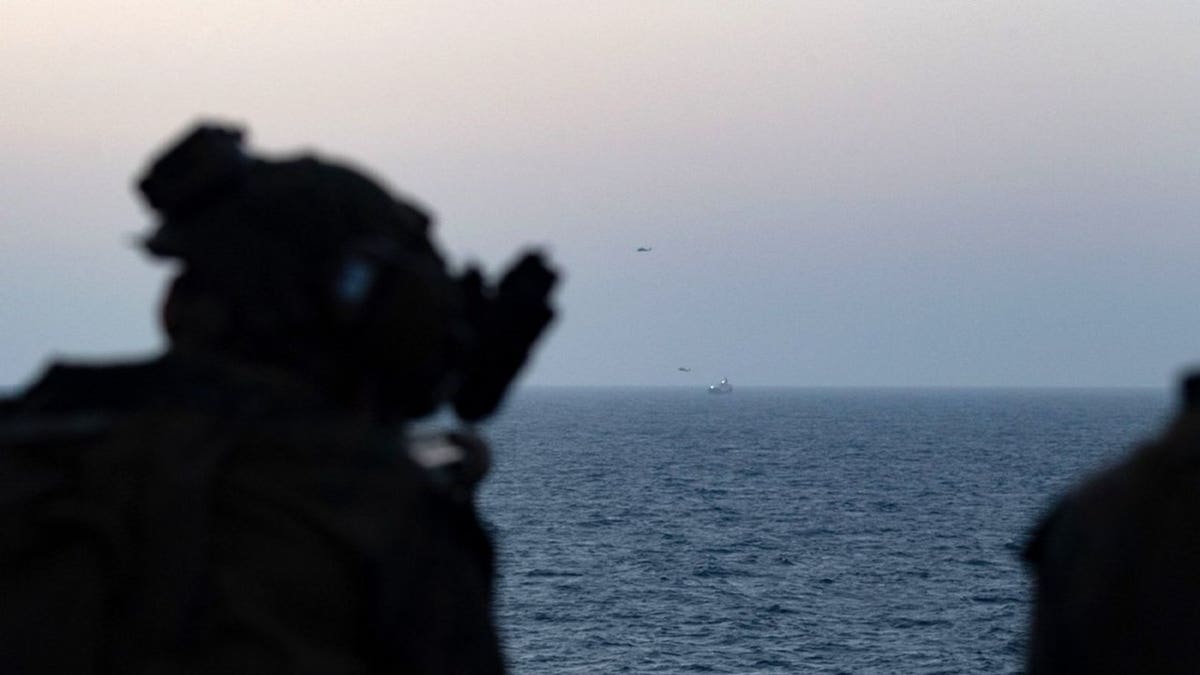
U.S. forces aboard USS New Orleans (LPD 18) are actively monitoring blockade operations. Jemima Shelley, UANI’s senior analyst, remarked that the Malaysian Eastern Outer Port Limits Anchorage (EOPL) facilitates Iran-China energy trade by allowing vessels offshore waiting space for resupply and cargo transfer.
UANI tracked the SOGL tanker before its Malaysian approach and witnessed similar activities using various tactics via small-scale tankers bypassing the blockade. U.S. Marines prioritize larger crude shipments by enforcing the blockade.
Malaysia serves as a logistical hub, supporting tanker operations and facilitating energy exports from Iran to China despite sanctions. LPG poses unique risks during transport, demanding significant enforcement effort.
Iranian vessels utilize ghost fleet strategies, including disabling Automatic Identification System (AIS) transponders and employing false flags. These actions complicate tracking efforts and evade blockade controls.
Ghost fleet tankers participate in ship-to-ship transfers in the Gulf of Oman, increasing the complexity and risk levels of operations compared to crude oil transfers.
US ECONOMIC CHOKEHOLD ON IRAN REACHES PEAK LEVERAGE AS COLLAPSE RISKS EMERGE
The SOGL tanker, added to U.S. sanctions lists over transporting Iranian petroleum, operated under multiple flags. EOPL anchorage forms a strategic venue for ship-to-ship transfers en route to Chinese destinations.
Iran’s offshore storages have dwindled under the blockade, although some small tankers manage marginal exports.
IRAN’S OIL LIFELINE IS DRYING UP. THE BIGGEST PAIN MAY FALL ON ORDINARY CITIZENS
UANI’s footage showed the SOGL engaging in offshore service exchanges, while Malaysian authorities appear unconcerned about these practices. The prevalence of China purchases and reduced prices for Iranian oil mark a significant trade component supporting Iran’s economy.
China consistently absorbs the majority of Iran’s energy exports, offering Tehran a vital economic pathway despite prevailing sanctions.
IRAN SEIZES SHIPS IN HORMUZ AS US TALKS FALTER AFTER CEASEFIRE EXTENSION
The UANI expedition to EOPL noted SOGL’s voyage northward ahead of its cargo unloading at China’s Xinzhou Port.
Another LPG carrier, the G Summer, was intercepted sending signals beyond the blockade line, highlighting complex maritime routes employed.