
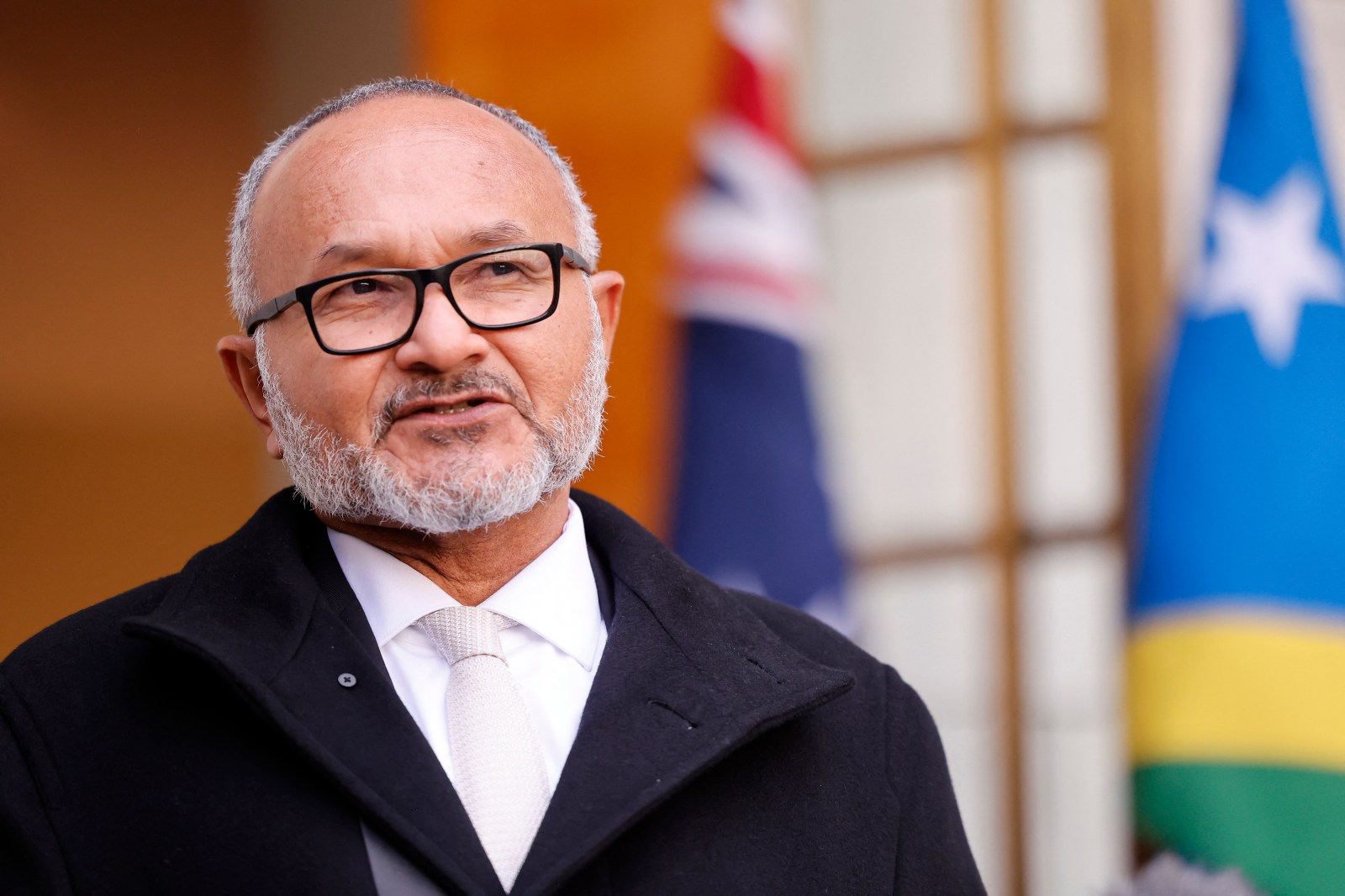
A significant treaty between Australia and the Solomon Islands may disrupt China’s rapid diplomatic expansion in the South Pacific. This agreement, however, requires Australia to invest at least 980 million Australian dollars, equivalent to over 700 million U.S. dollars, into Honiara’s economy and political sphere. This investment was revealed through a leaked text message that Australia’s ABC News reported.
This development could be favorable for Washington, D.C. as it aligns the Solomon Islands with Pacific nations like Vanuatu and Fiji, which recently strengthened security ties with Australia. China’s reaction to these shifts has been negative due to its substantial investment, exceeding 1 billion dollars, in both countries over the past two decades. The potential loss of another ally in the strategically important Pacific region is frustrating for Beijing.
China’s efforts underscore a principle both Xi Jinping and Donald Trump understand: smaller nations prioritize financial assistance over appeals to democratic values.
“Checkbook diplomacy surpasses ideological considerations for smaller powers.”
The Costs of Influence
Political actions come with costs. The U.S. learned this decades ago through the “compacts of free association” with Micronesia, the Marshall Islands, and Palau. These agreements, aimed at providing U.S. military access in exchange for economic aid, illustrate how taxpayer-funded policies are vulnerable during shifts in political priorities.
In 2024, the U.S. successfully managed to secure 7.1 billion dollars in COFA funding until 2043, vital for maintaining its strategic foothold amid the political rivalry with China.
China has been quick to intervene in areas neglected by Western powers. It invested 7.5 billion dollars in Pacific island development since 2008. The Lowy Institute notes that this includes over 500 million dollars in support for countries like Vanuatu and Fiji through infrastructure projects tied to China’s Belt and Road Initiative.
Australia’s Strategic Moves
Australia’s recent agreements aim to counter China’s influence by providing 1 billion dollars in support to Vanuatu and Fiji over 10 years. Though some Australians may question this expense, the initiative has attracted praise from U.S. officials for fostering a shared responsibility in challenging China’s regional influence.
Diplomatic Maneuvers
China’s diplomatic success stems from its understanding of global economic and security needs. Trump’s diplomacy follows this logic; he supported peace efforts between Armenia and Azerbaijan through a 2.5 billion dollar investment plan, aimed at minimizing Russian and Iranian influence.
Similarly, a new U.S. and New Zealand agreement to develop a port in the Cook Islands strives to restrict potential Chinese access to critical minerals.
The sudden change in the Solomon Islands reflects strategic recalibrations. After its previous leader’s 2022 security deal with China, the islands are now shifting back towards Western partners. Lowy Institute data indicates that post-2019, China directed nearly 194 million dollars to the Solomon Islands, reinforcing its influence.
The new prime minister, Matthew Wale, skeptical of China’s security reliability, found himself constrained by non-disclosure agreements about the nation’s interactions with China, highlighting Beijing’s former confidence in securing its position in the Pacific.
Despite the shifting dynamics, China will remain a significant player in the region. Demand for Chinese loans within the Pacific has decreased due to debt concerns. Still, Chinese state-owned companies persist as leading contractors for infrastructure projects.