
The Pentagon has added more Chinese companies to a list linked to Beijing’s military. This includes some well-known technology and consumer brands. These additions could lead to future investment restrictions and sanctions.
In 2021, a congressional mandate led to the creation of this list. The latest update reveals 188 entities that the U.S. Department of Defense believes support China’s military-industrial ecosystem. Noteworthy companies like Alibaba, BYD, and Unitree are now on the list. These firms are not state-owned and are typically not associated with the defense sector.
Rising Concerns Over Civil-Military Fusion
Washington is increasingly worried about China’s military advancements. The focus is on the civil-military fusion strategy. This Chinese policy integrates commercial innovation into national defense. U.S. officials claim that Chinese companies can be forced to provide data and technology to the government. This raises alarms about increasing China’s military capabilities.
Efforts to Limit Technology Access
The updated list is part of broader efforts to restrict China’s access to strategic technologies. This includes artificial intelligence chips, semiconductor equipment, and quantum computing technologies. While listing does not mean automatic sanctions, it could lead to future restrictions on investment and commercial engagement.
Beijing’s Response
We urge the U.S. side to correct its mistakes and stop its unreasonable suppression of Chinese companies,said Foreign Ministry spokesperson Lin Jian.China will take necessary measures to firmly safeguard the legitimate rights and interests of Chinese companies.
Key Companies Identified
Alibaba, a major tech company dominating e-commerce and cloud computing, is a prominent addition. The Pentagon identifies Alibaba as contributing to China’s defense industrial base, linked to the Ministry of Industry and Information Technology.
BYD, a leading electric vehicle manufacturer, is also new to the list. Although China has little presence in the U.S. vehicle market, there has been openness to Chinese automakers if they invest and hire locally. This contrasts with some political calls for a ban on Chinese electric vehicles in the U.S.
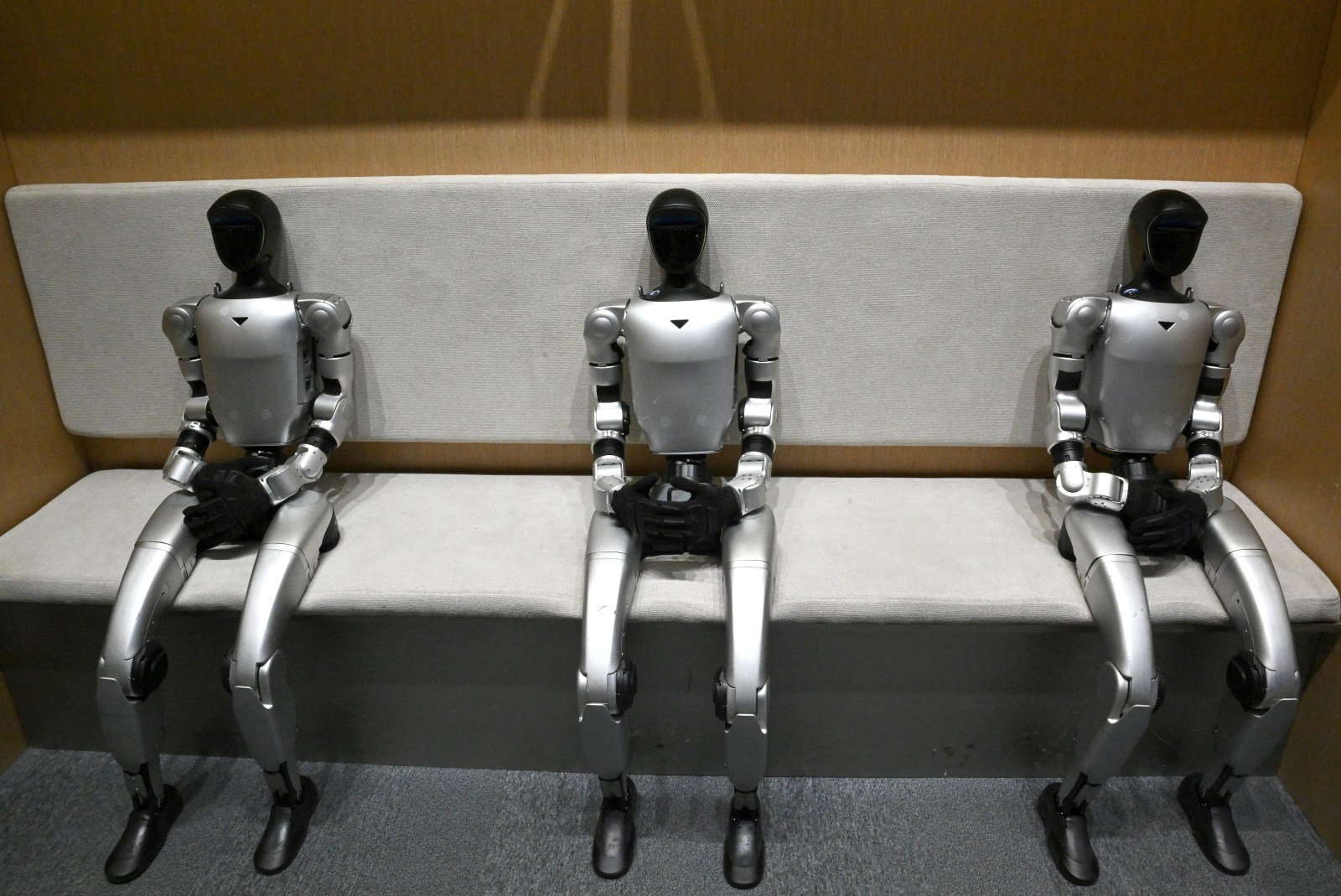
Unitree, known for its humanoid robots, also features on the list. These robots gained international attention for their performances, symbolizing China’s swift progress in robotics and AI.
Congress Urges Stronger Measures
The U.S. House Select Committee on the Chinese Communist Party supports the Pentagon’s update. They call for stricter actions against companies on the list. Delisting from U.S. stock exchanges and product removal from supply chains are among the recommendations.
The committee warns American businesses about enabling China’s military rise through ongoing engagements. The list expansion illustrates the U.S. scrutinizing Chinese firms in strategic sectors as the rivalry between Washington and Beijing grows beyond trade into technology and security.
This article includes reporting by The Associated Press.