
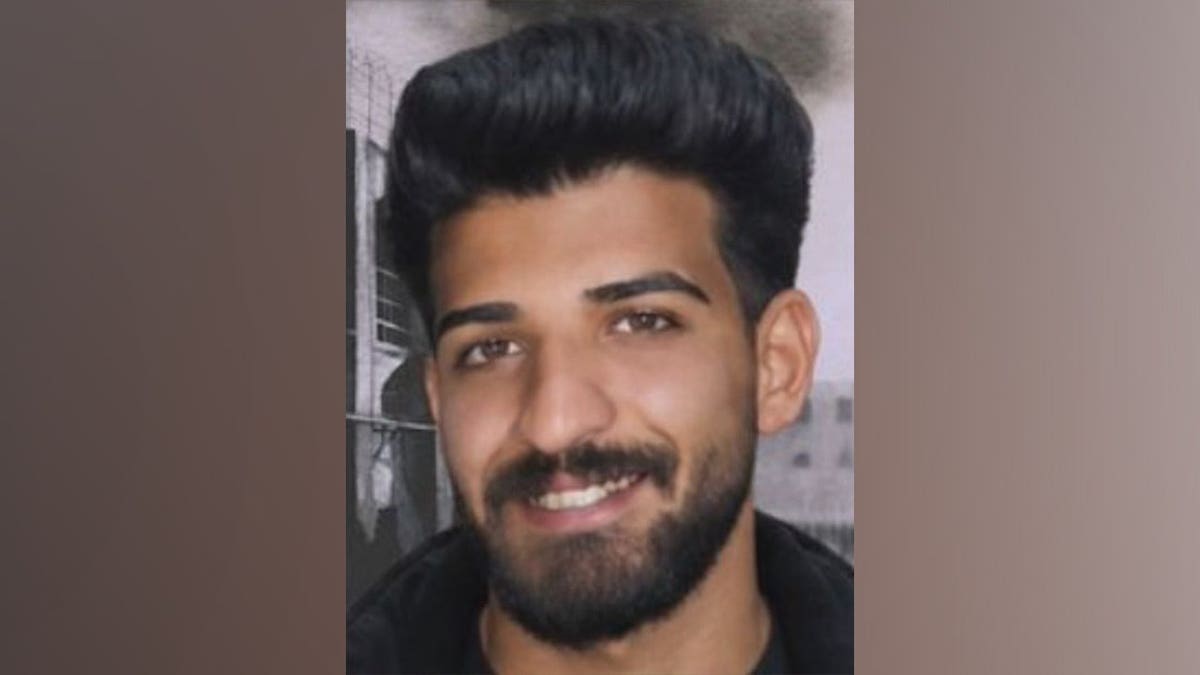
Iran carried out public executions of two young men accused of participating in anti-government protests. The executions took place in Shahid Alikhani Square, Isfahan, sparking condemnation from those present. Security forces used tear gas to disperse the crowd as people chanted against the action, according to the National Council of Resistance of Iran (NCRI), an opposition group in exile.
Abolfazl Sepahi Badjani and Amirhossein Safari Hosseinabadi were executed for their alleged roles in the protests on January 8, as reported by both NCRI and Iranian state media. Onlookers expressing outrage were met with a strong security presence, a measure taken by the regime fearing public backlash, said NCRI President-elect Maryam Rajavi.
The executions are part of an ongoing crackdown against demonstrators in Iran, which began with nationwide protests that escalated in late December. Human rights organizations have criticized the Iranian government for denying fair legal processes, saying defendants were often coerced into confession and faced trials lacking impartiality.
The judiciary in Iran accused the men of participating in the deaths of four members of the State Security Force, labeling their actions as “enmity against God” and “corruption on Earth.” They were also accused of committing arson and vandalism, and possessing firearms and Molotov cocktails.
Despite claims of proper legal representation and evidence-based convictions, the NCRI and international observers have questioned the fairness of the trials. Twelve protestors, including Badjani and Hosseinabadi, received death sentences in what has become known as the Alikhani Square case. Two others, Erfan Esfandiari and Gol Mohammad Mohammadi, were executed earlier.
The U.N. has voiced concerns over the remaining defendants, who face imminent execution. The young men were said to have been deprived of liberty and fair trial rights, with some subjected to enforced disappearance and mistreatment.
Human Rights Watch reported at least 50 executions in recent months, criticizing the vague charges often used to justify these actions. Iran Human Rights Director Mahmood Amiry-Moghaddam condemned the use of public hangings, viewing them as efforts to instill fear and suppress future protests.
The protests initially began as a reaction to the economic downturn in Iran, but quickly evolved into a significant anti-government movement, marking one of the largest demonstrations in the country’s history.