
Consequences of the Recent Ukrainian Strike
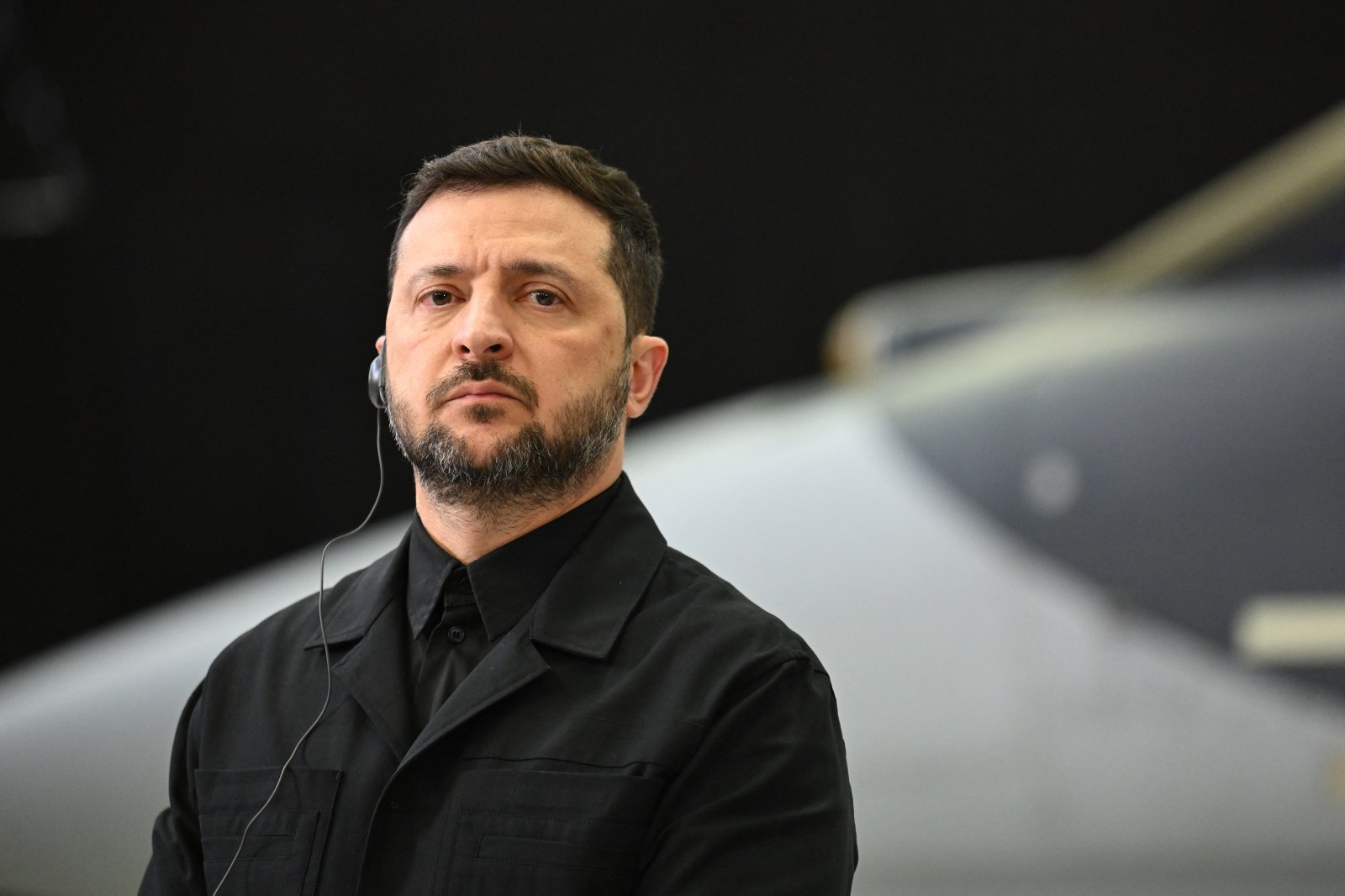
A recent Ukrainian strike in the Caspian Sea has garnered international attention. The attack killed one sailor aboard an Iranian commercial vessel, according to Iranian authorities. Ukrainian President Volodymyr Zelensky stated that Kyiv targeted vessels involved in military cargo shipments linked to Iran.
The strike has stirred diplomatic tensions. Iranian Foreign Minister Abbas Araghchi announced that the incident “cannot go unanswered” in a Sunday post on the platform X.
Ukraine’s Expanding Military Reach
The implications extend beyond diplomacy. Ukraine’s strike signals its growing long-range capability, reaching well past conventional battlefields. The Caspian Sea, hundreds of miles from Ukraine’s front lines, became a new stage for Kyiv’s operations. Zelensky highlighted “very strong results” from long-range strikes, aiming at a Russian warship and vessels linked to Iran.
This strike exemplifies Ukraine’s focus on expanding its drone and missile operations, impacting targets deep inside Russian territory. Successful operations in distant locations like the Caspian Sea showcase Ukraine’s expanding military reach.
Strategic Importance of Iran’s Northern Trade Corridor
For Iran, the strike’s location is crucial. The Caspian Sea has emerged as a vital trade route connecting Iran with Russia, Central Asia, and extending towards China. As southern routes face increasing pressure, Iran relies heavily on northern corridors.
The strike threatens these corridors, carrying broader economic and strategic ramifications. Iranian officials characterized the attack as targeting a commercial vessel, emphasizing their commitment to protect national interests and security.
Tehran’s strong response reflects the perceived threat to a key transportation route vital to its economy and regional connections.
Complexities in Russia-Iran-Ukraine Dynamics
The strike unfolded amid fresh accusations from Ukraine. Zelensky accused Russia of providing Iran with satellite imagery utilized in Middle East attacks. Such claims add tensions to an already strained relationship.
Ukraine has consistently argued that Iran aids Russia through drone technology and other support, though Tehran has denied involvement in Russia’s war effort.
This backdrop positions the strike as part of a broader confrontation intertwined with the Moscow-Tehran partnership.
Increasing Connectivity in Global Conflicts
The strike highlights increasingly interconnected global conflicts. Russia’s invasion of Ukraine, tensions involving Iran, and maritime trade routes intersect at the Caspian Sea.
Following the incident, Iran prioritized diplomatic efforts. Foreign policy engagements included European Union and Russian figures, with Urgency as Tehran looked to address what it sees as a hostile act.
The strike sparks discussions about whether the Caspian Sea may become a new conflict arena, linked to wars in Ukraine and the Middle East. Analysts in Tehran voiced concerns over pressures extending beyond Iran’s southern maritime approaches.
Concerns are growing about how conflicts involving the U.S., Saudi Arabia, and Russia are linked. Analysts have noted that as conflicts evolve, they become increasingly complex and multidimensional.
The strike’s significance may lie in its demonstration of growing ties between previously separate conflicts.
Iran’s potential retaliation remains uncertain. However, the strike transcends a simple dispute between Kyiv and Tehran, illustrating how interconnected regional conflicts have become.