
On a warm day in Dexter Township, Michigan, Malik Amine and his brother prepared their family’s pontoon boat for the summer season. Portage Lake sparkled under the sun, but they faced a decision before heading out: how much gasoline to use for the 52-gallon engine.
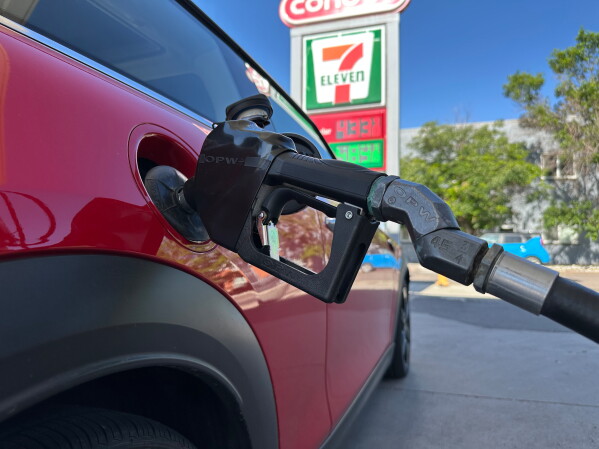
Boaters and motorists alike are feeling the effects of the Iran conflict. While U.S. gas prices have decreased slightly, a gallon of regular gas still costs 34% more on average than last year, according to AAA. Diesel fuel, used by some boaters, has risen by 53% compared to the previous year.
Ethanol-free gas, preferred by many boaters, is priced 20 cents to $1 more than regular fuel, as reported by the National Association of Convenience Stores. Near Portage Lake, 60 miles west of Detroit, a station sells ethanol-free fuel for $7 per gallon. Amine plans to limit his refueling this Memorial Day weekend due to costs. “The cost is much higher than last year,” he mentioned. “It’s wiser to fill as much as needed, given the uncertainty of when the conflict will end.”
The National Marine Manufacturers Association estimates that 100 million Americans engage in boating annually, contributing to a $230 billion industry. Conversations with boaters reveal that many still plan to hit the water, though high gas prices may adjust their plans. Ellen Bradley, the association’s chief brand officer, noted that some boaters are altering their activities to manage expenses.
I might not go as far. I might not go as fast. I might spend more time anchored and swimming. I might spend more time at the dock.
Neil and Kathleen Donohoe, who live aboard a 50-foot diesel-powered boat named Granuaile, have cruised the East Coast and the Bahamas for seven years. While maintenance is typically their largest expense, recent fuel costs are significant. They use marine apps to find affordable gas options.
They plan to stay in the Chesapeake Bay this summer, avoiding further trips north. Financial prudence and gas prices influence their decision. “It’s excessive to spend so much while others struggle,” Kathleen Donohoe noted.
Gas prices are also affecting boating businesses. The Seattle Sailing Club’s fuel bill increased by 10.7% since the conflict began. Lindsey Brown, the office manager, mentioned diesel prices rose from $6.50 per gallon in April to $7.99 in May. The club, which relies primarily on wind but uses backup engines, is entering its busy season and anticipates potential impacts if prices persist.
Melissa Kunnert, owner of NautiMi On the River near Portage Lake, offers pontoon boat rentals and evening cruises. She chose not to raise prices despite rising refueling costs. Kunnert speculates whether local travel limits will bring more business.
In Traverse City, Michigan, Robert Hinds runs Central Coast Angling and adjusted his fishing trip rates by adding a $50 fuel surcharge. Towing his 22-foot boat from port to port on Lake Michigan, he needs fuel for both the truck and boat. He reported multiple cancellations and noted the challenges customers face with rising gas prices.
People want to get out, but everyone has different circumstances.
Hinds recently canceled his own trip to Wisconsin after calculating diesel costs would reach $400. “I can stay and fish locally,” he concluded.