
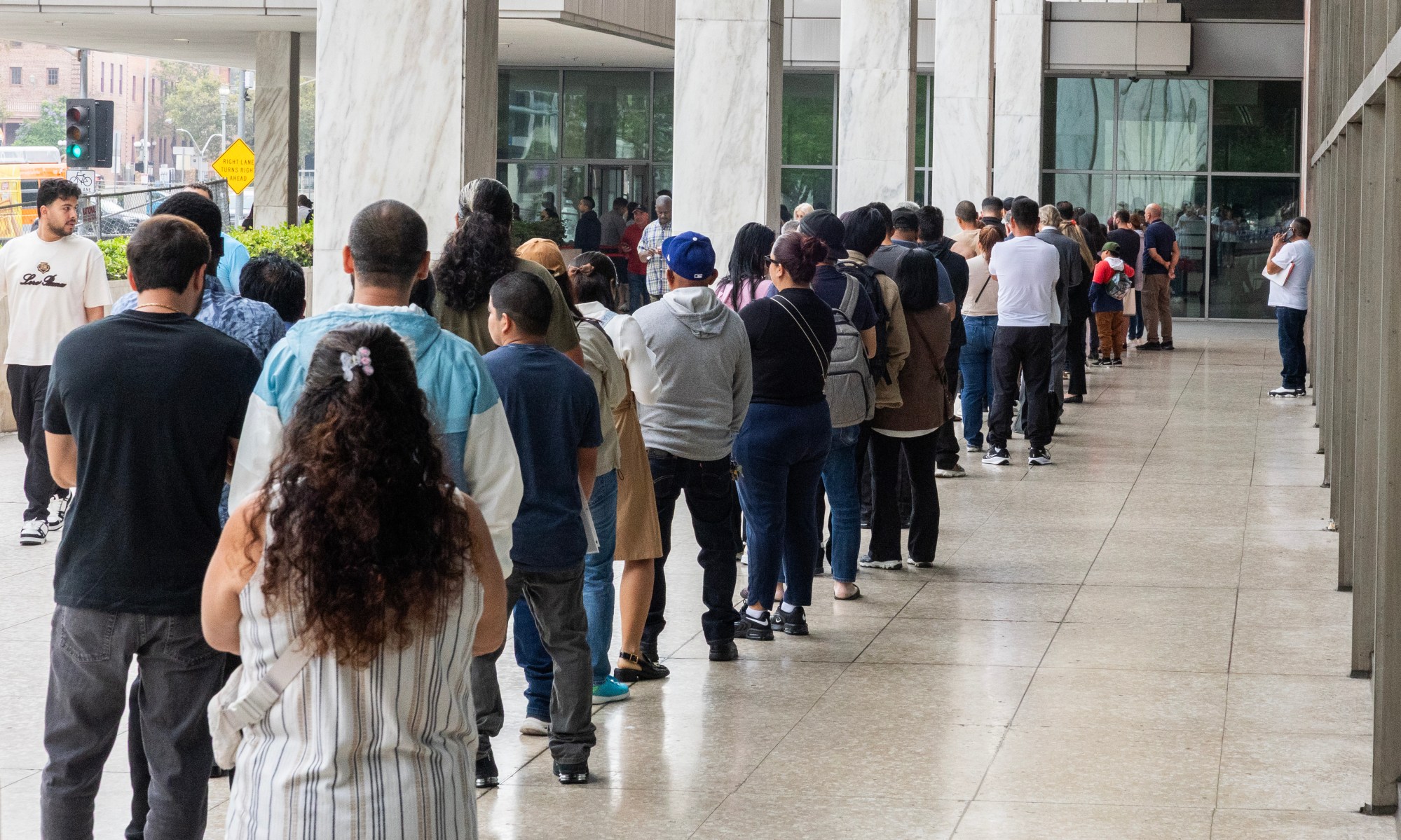
On June 24, 2026, a significant number of people gathered at the Los Angeles N. Los Angeles Street Immigration Court. The event underscored the current efforts by the Department of Homeland Security to streamline immigration proceedings. Their latest strategy involves scheduling numerous immigration cases simultaneously on the same docket.
The current administration has managed to reduce the immigration court backlog substantially for the first time in over a decade. A Justice Department official expressed that alleviating this backlog is a top priority. The backlog increased every fiscal year from 2013 through 2024, peaking at an unprecedented 3.7 million cases. However, the Trump administration managed to reduce it to approximately 3.4 million cases in fiscal 2025. As of now, the backlog stands at 3.2 million cases.
While the court system remains heavily burdened, further measures are being implemented to address the backlog. In May 2026, the administration increased the number of aliens attending master calendar hearings from typically 20 or 30 up to 150. These expanded sessions, known as “mega master calendar hearings,” have led to a substantial rise in in absentia removal orders—from 35,000 in May to 54,000 in June.
Master calendar hearings serve various procedural purposes, such as pleadings, scheduling merits hearings, advising aliens of their rights, and explaining the charges listed in their Notice to Appear. The notice of these hearings is sent to the address the alien provided. Aliens in removal proceedings are required to report their address and any changes to the court.
If an alien does not attend a scheduled hearing, they may be ordered removed in absentia, provided ICE establishes with unmistakable evidence that the notice was delivered and the alien is removable. Critics argue that these hearings rush the process, denying aliens the chance to seek relief from deportation through merits hearings. However, if an alien fails to update their contact information, they risk missing a merits hearing—thereby facing removal proceedings anyway.
An absentia removal order is not subject to appeal, but the alien may file a motion within 180 days to rescind the order. Exceptions apply, such as the lack of notice or being in custody. Denials of such motions can be appealed to the Board of Immigration Appeals, and decisions can be further challenged in federal court.
Legal challenges often focus on the delivery of hearing notices, the right to counsel, and the validity of absentia removal orders. An alien may refute the presumption of received notice if substantiated proof is presented. Additionally, exceptional reasons such as lack of notice or custody status may explain their absence.
The timing requirement ensuring counsel availability involves scheduling master calendar hearings no earlier than ten days post notice service. Judges can grant continuances, if needed, ensuring fair proceedings. Litigation reduction calls for proper training of immigration judges to conduct absentia procedures fairly and without due process violations. Ensuring legally sound orders is crucial for backlog reduction.
Nolan Rappaport, with extensive experience in immigration law, served on the House Judiciary Committee and wrote decisions for the Board of Immigration Appeals. Follow his insights at his blog: https://nolanrappaport.blogspot.com.