
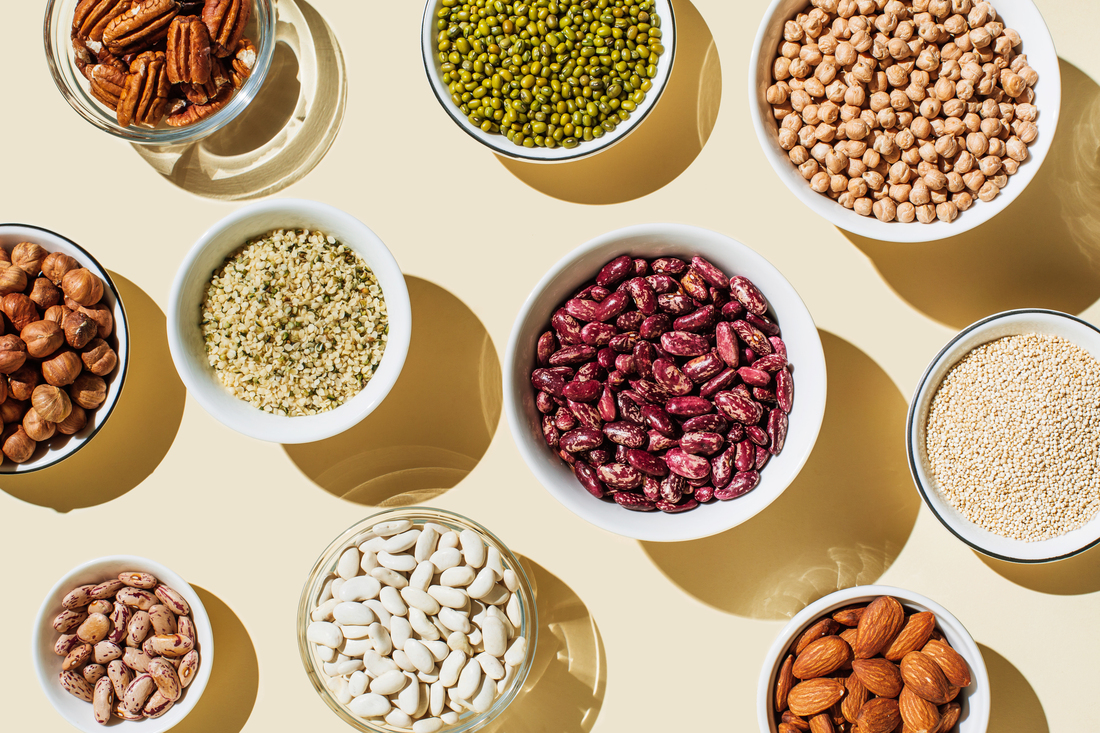
Fiber offers many health benefits beyond just aiding regularity. It can help control blood sugar, lower cholesterol, and reduce inflammation. By serving as fuel for gut microbes, fiber produces beneficial chemicals influencing overall health.
1. Diverse Plant-Based Foods
Getting fiber from various plant-based foods is effective. Include fruits, vegetables, whole grains, beans, seeds, and nuts in your diet. Opt for sweet potatoes, avocados, pears, asparagus, barley, oats, lentils, and pumpkin seeds. Apart from fiber, they provide essential vitamins, minerals, and phytonutrients.
2. Upgrade Your Salads
Switching salad ingredients can boost fiber intake. Replace iceberg lettuce, which lacks fiber, with cabbage or kale. For a fiber boost, add artichokes or roasted Brussels sprouts. Chickpeas can enhance fiber content too.
3. Enhance Your Meals
Incremental changes can significantly increase fiber. Avocados, when added to sandwiches or as guacamole, are a tasty option. Air-popped popcorn offers substantial fiber and can be a simple snack. Chia seeds sprinkled on yogurt or nuts added to oatmeal or salads are excellent methods.
4. Focus on High-Fiber Foods
Utilize resources like the U.S. Department of Agriculture chart to identify high-fiber foods. A half-cup of artichoke contains ample fiber, as does a cup of cooked sweet potatoes.
5. Explore Frozen Options
Frozen berries, like raspberries and blackberries, are cost-effective and contain a lot of fiber. Consider blending them into smoothies. Frozen artichokes and spinach can also be economical and are ideal for meal additions.
6. Gradual Changes
Increase fiber intake gradually to avoid digestive discomfort. For example, slowly transition from white to whole grain bread, incrementing servings weekly to adapt the gastrointestinal tract.
7. Monitor Food Impact
Eating differing high-fiber foods might affect you uniquely. Keep a diary of how items impact your digestive system to manage sensitivities.
8. Stay Hydrated
While increasing fiber, maintain hydration to enable easy movement through the system and prevent hardening, which might induce gas or constipation.