
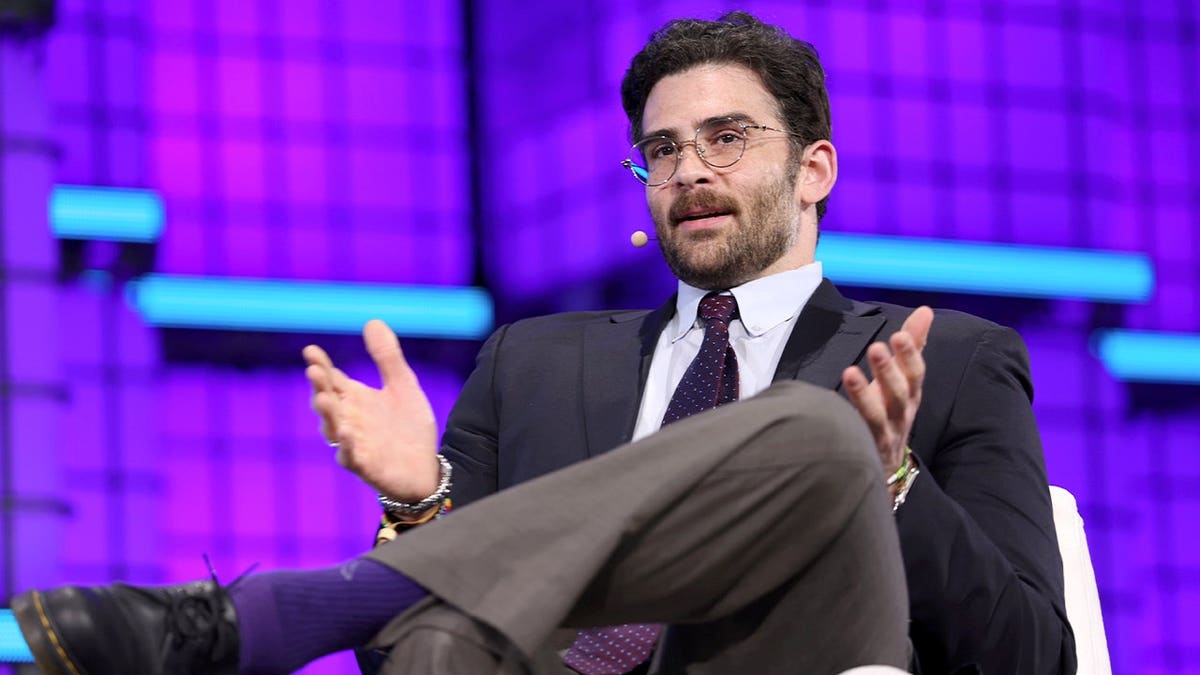
The rise of Hasan Piker, a social media influencer known for his radical political views, has sparked widespread debate within American politics. As an outspoken advocate on platforms like Twitch, Piker is criticized for promoting extreme views, which some say negatively impact the Democratic Party. This article examines Piker’s influence and the consequences of his controversial opinions.
Piker’s Political Stance
Hasan Piker graduated from Rutgers University in 2013. Despite its reputation as a reputable institution, critics argue his social media presence does not reflect a rigorous historical education. Instead, Piker often presents provocative political commentary that monetizes divisive viewpoints.
Piker’s rise involves a controversial endorsement of Michigan Democrat Abdul El-Sayed for the United States Senate. El-Sayed’s association with Piker is seen as emblematic of the new radical direction within the Democratic Party.
Controversies and Reactions
Piker has made inflammatory comments, notably stating “America deserved 9/11” and criticizing American Jews for their support of Israel. His controversial opinions have led Democratic leaders, including House Minority Leader Hakeem Jeffries and Sen. Elissa Slotkin, to distance themselves. Others, such as Sen. Cory Booker, have been more direct in their criticism.
Piker’s controversial actions, such as mocking Charlie Kirk’s assassination, further highlight his penchant for controversy. This behavior raises questions about the Democratic Party’s association with far-left figures.
The Impact on Democratic Candidates
Piker’s influence is observed in various U.S. Senate races. Democratic candidates endorsed by the Democratic Socialists of America (DSA), like Chris Pappas in New Hampshire and Peggy Flanagan in Minnesota, are seen as affected by Piker’s radicalism.
Senate Majority Leader Chuck Schumer defends the party’s inclusive “big tent” strategy, suggesting diversity strengthens coalition building. However, critics argue Piker’s extreme views may alienate moderate voters seeking stability and continued adherence to American norms.
Voter Response
Voters across Michigan, Maine, Minnesota, and New Hampshire express concern about Piker’s radical influence. While he commands significant social media attention, his aggressive rhetoric is viewed as a liability, potentially harming Democratic candidacies.
The DSA reportedly has a substantial membership base, casting Piker as a prominent future figure of the Democratic Party, despite controversy and opposition from within.
Conclusion
As Democrats face upcoming elections, the question remains whether they can navigate the challenges posed by Piker’s controversial influence and rhetoric. This evolving situation necessitates strategic decision-making to mitigate harm and reinforce party ideals. The future may see efforts to redefine the Democratic brand and reconcile internal divides.