
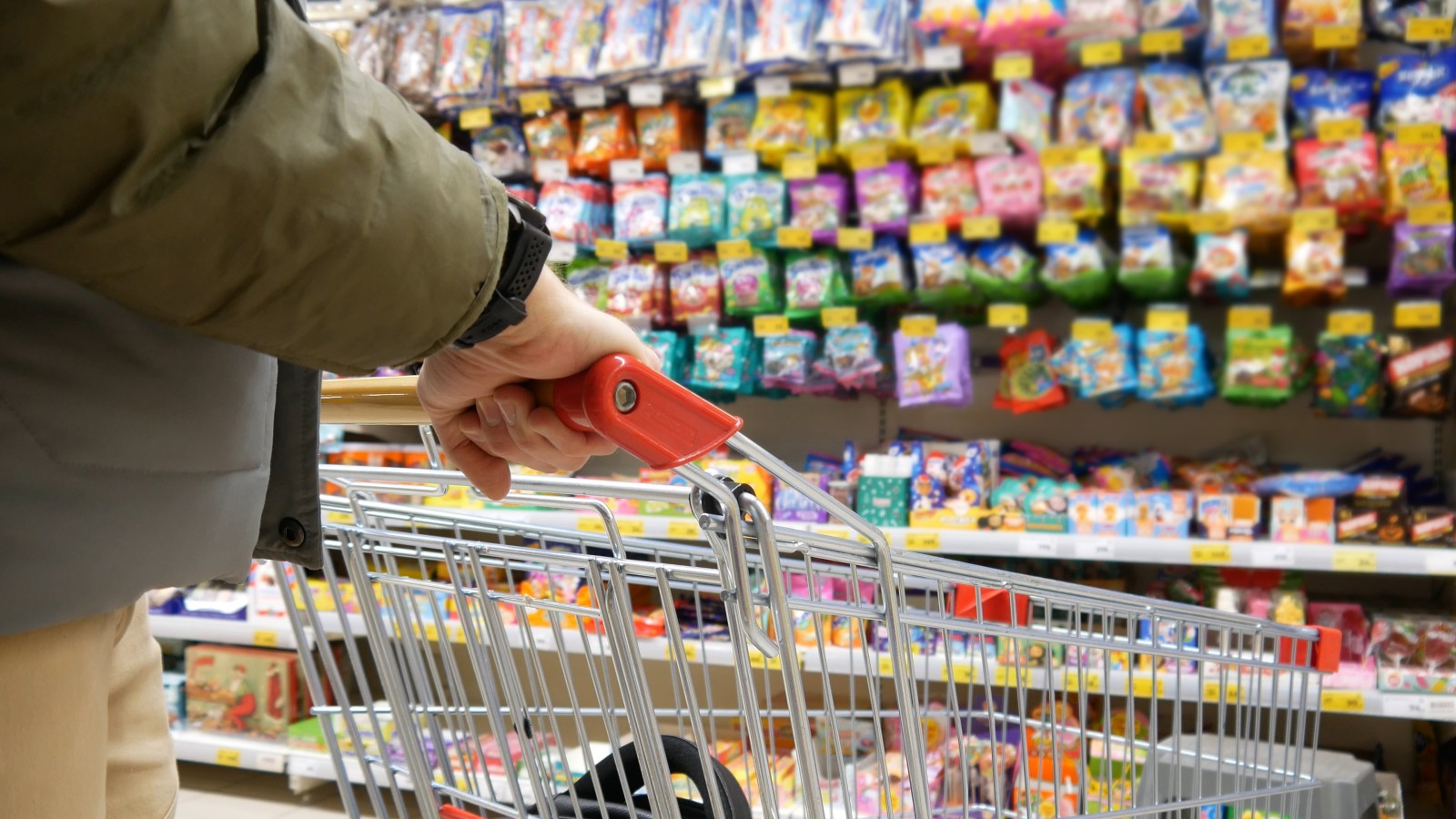
Americans are showing increased concern about food recalls. Recent polling highlights how safety warnings impact both brand perception and purchasing decisions. A survey conducted by GS1 US, involving 1,000 U.S. adults, found that 94% worry about the frequency of food recalls, rising from 93% in 2025. Meanwhile, faith in recalls protecting public health and safety has dropped from 85% to 80%.
This data follows a series of notable food recalls over the summer linked to disease outbreaks. According to the FDA, a salmonella outbreak associated with jalapeño peppers from Mexico sickened 431 individuals in 32 states, leading to 57 hospitalizations. No deaths were reported. Similarly, a cyclospora outbreak, tied to iceberg lettuce, resulted in 11,458 illnesses across 20 states, with 495 hospitalizations and two fatalities earlier this summer.
The survey indicates that food recalls influence consumer views beyond the specific items withdrawn from shelves. Sixty-seven percent of respondents said they steered clear of an entire food category following a recall, up from 60% last year. Additionally, 66% expressed reluctance to purchase the same product or brand again, compared to 59% in 2025.
Women appear more likely to adjust their buying habits, with 71% avoiding a whole food category post-recall, versus 63% of men. Moreover, 59% of consumers are willing to spend more on products with detailed information, an increase from 57%.
Why Foods Get Recalled
The FDA defines a food recall as the market removal of products breaching regulations. Usually, companies voluntarily initiate recalls, though the FDA can request or mandate them. The FDA oversees most food recalls, excluding meat, poultry, and processed egg products, which fall under the U.S. Department of Agriculture’s purview.
Food recalls arise from various issues: hazardous bacteria, labeling mistakes, or foreign materials in food. An analysis by Trace One, examining FDA recall data from 2021 to 2025, identified allergen contamination as the leading cause of recalls, representing 45.2%. This includes products containing allergens like milk, wheat, or nuts without corresponding label warnings. Bacterial contamination, which accounts for 22.6%, involves pathogens such as Salmonella, E. coli, and Listeria. Foreign objects, comprising 10.8% of recalls, may include plastic, metal, or rocks. Lead contamination is comparatively rare, at 0.1% of recalls, according to Trace One’s findings.
The study, which combined FDA and USDA data, noted a rise in food recalls from 505 in 2021 to 613 in 2025, a 21.4% increase. Class I recalls, representing the most significant health risks, increased by 36.4% in the same period.
Consumer Reactions Post-Recalls
Despite growing concerns, the GS1 US survey indicates that most consumers do not permanently reject a brand following a recall. Only 9% would never purchase from a recalled brand again. Among those willing to reconsider, 39% said the duration since the recall would influence their decision. Another 39% considered the severity of contamination, while 35% relied on recommendations from authorities.
Bob Carpenter, president and CEO of GS1 US, emphasized that recalls are integral to a system protecting consumers. He suggested that improved tracing could help companies swiftly identify affected products and offer clearer safe-consumption guidance.
Contact Newsweek editors Daniel Orton and Emma Lee-Sang for further information on this report.