
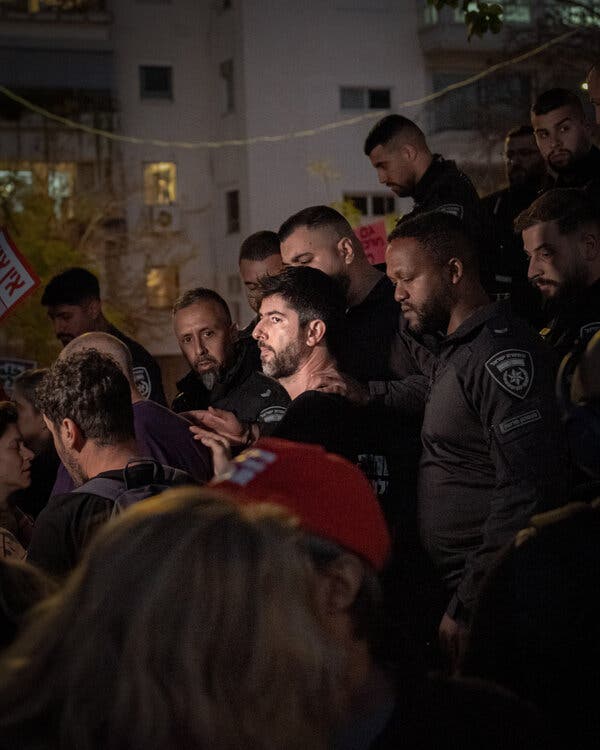
On April 4, a significant protest against the war with Iran took place in Tel Aviv. Jewish Israeli activist Alon-Lee Green stood out as he vocally opposed the conflict. He declared, We’ll continue resisting this war. This is a futile war!
as authorities took him into custody.
Green is a leading figure in Standing Together, an activist group founded in 2015. He collaborates with Palestinian counterparts, including Rula Daoud and Sally Abed. This grassroots movement consists of young Jewish and Palestinian Israeli citizens, advocating for anti-occupation, antiracism, and social justice.
The perspectives of leaders like Green, Abed, and Daoud, who demand peace and recognition of Palestinian humanity, are rare in Israeli society. The majority of Jewish Israelis back the wars with Iran and Lebanon. Many adults in Israel, including both Jews and Palestinians, doubt the feasibility of a two-state solution.
Ahead of the crucial fall elections, a new joint Israeli-Palestinian political party named A Place for Us All is stepping into the political sphere. Leaders from Standing Together play key roles in this party. While it faces challenges in gaining enough votes to participate in the election, its presence remains vital and daring in political discourse.
Arab-Jewish parties have encountered obstacles in Israeli politics. To date, Hadash, a party founded in 1977 and advocating for the end of Israeli occupation and a two-state solution, is the only enduring Arab-Jewish political group. Most of its backing comes from Palestinian citizens rather than Israeli Jews. Another effort, Da’am, established in 1995, has campaigned for workers’ rights and a welfare state but has struggled to enter the Knesset.
A Place for Us All emerged from shared Jewish-Palestinian activism aimed at addressing ground realities over lofty policies. These committed young individuals form bonds through shared experiences of struggle and hope. The party challenges entrenched norms, questioning why Palestinians and Jews have historically aligned political support solely along ethnic lines.