
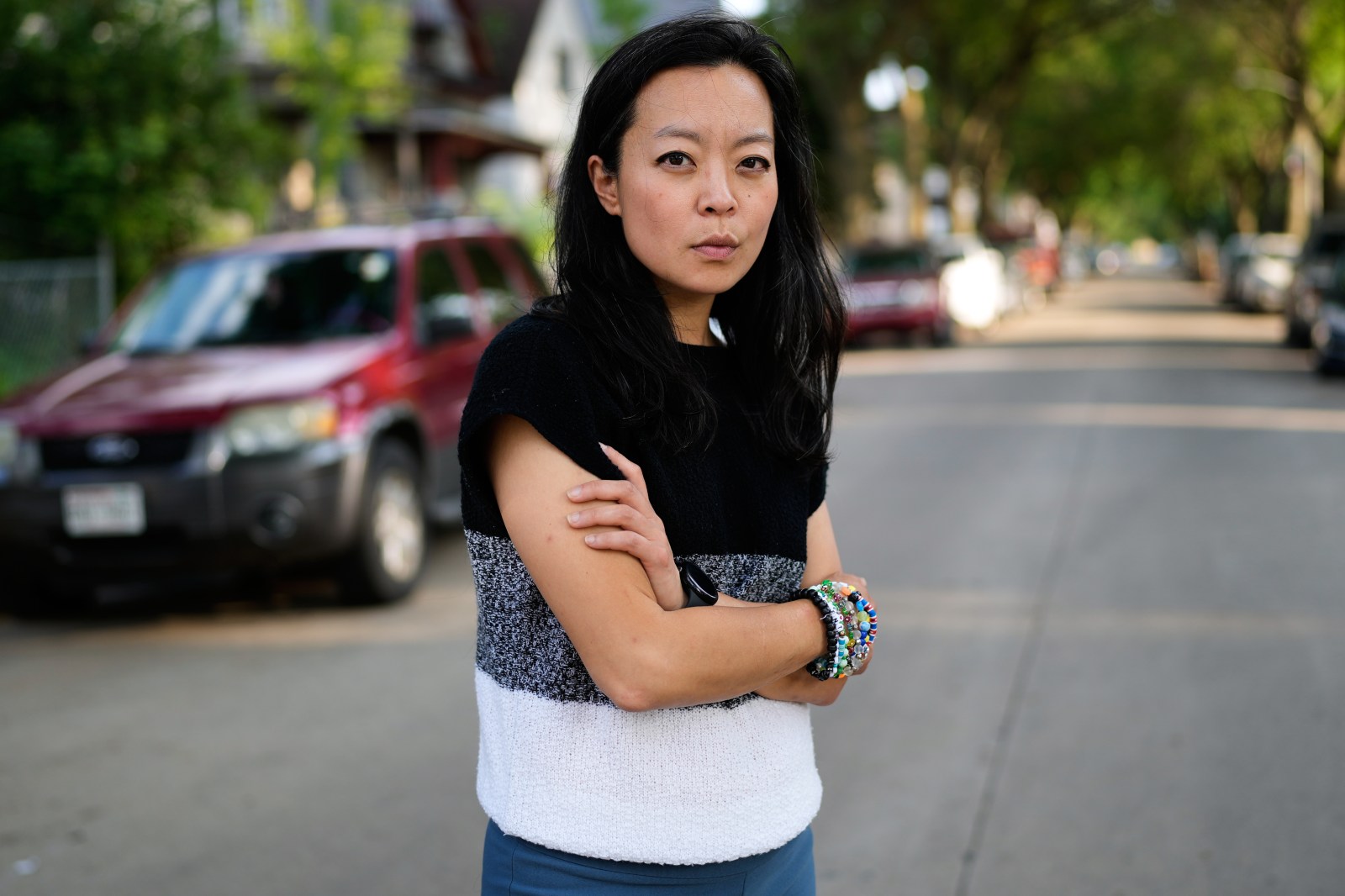
Francesca Hong, a 37-year-old Democratic socialist and state representative from Madison, continues to work bartending shifts alongside her political career. In an exclusive interview with Newsweek, Hong shared insights on the economic realities she hears from her patrons. She describes these issues as more complex than simply “putting food on the table.” Instead, they involve prioritizing bill payments, relying on credit for groceries, and fears about job security due to advancements in technology.
Hong’s Campaign Motivations and Platform
Hong, who previously owned a restaurant, is preparing for a Democratic primary for governor. Polls predict a comfortable victory for her. She aims to lead a state that supported Trump in both 2016 and 2024.
Entering the race last September, Hong was relatively unknown as a member of the state Assembly’s Socialist Caucus. However, she now leads polls within the primary, promoting a platform based on “permanent affordability.” The term reflects a campaign for free childcare, comprehensive public school funding, increased taxes on wealthy individuals and corporations, and halting new data centers.
Speaking of her campaign strategy, Hong emphasized cautious optimism for Democratic successes in Wisconsin. Behind the bar, she listens to concerns that go beyond mere campaign talking points. Her response involves organized efforts, including over 300 events statewide and nearly 50,000 miles traveled.
Hong characterizes her campaign as a movement for working-class empowerment, directly confronting the Trump administration’s policies. Her firm stance includes rejecting cooperation with ICE, similar to policies in New York City led by Mayor Zohran Mamdani.
Navigating Electoral Challenges in Wisconsin
Wisconsin’s recent political history includes tight presidential margins, but Hong argues that circumstances have changed. She attributes current difficulties to rising living expenses like gas, property taxes, and groceries.
Referencing Chris Taylor’s decisive victory in a recent Wisconsin Supreme Court election, Hong claims significant shifts in voter sentiment. Critics argue that low turnout in lesser elections like April’s does not translate into general election success.
Hong sees this shift as grassroots-driven, stemming from public demand for responsive government action. Her campaign emphasizes swift and effective solutions addressing increasing socioeconomic struggles.
Evaluating Electability
As the primary concludes, doubts arise not about Hong’s primary prospects, but general election viability. Opponents, including both Republicans and some Democrats like Governor Tony Evers, question her ability to defeat Republican Tom Tiffany.
Evers endorsed David Crowley over Hong, despite earlier neutrality. Allegations suggested that Hong focused too much on social media, but she denied such claims. Instead, she highlighted her progressive policy agenda.
Addressing her past social media controversies, such as opinions on Thanksgiving and law enforcement, Hong clarified her positions. She rejected the defunding of police and emphasized crime prevention investment.
Facing accusations from Tiffany, Hong distanced herself from certain national Socialist Democratic policies, stressing opportunities for positive legislative impact.
Internally, Democrats argue over whether Hong’s platform aligns with the electorate. She counters by advocating universal issues like public school funding as inherently electable.
Insights from Michigan and Polling Data
Hong’s approach parallels debates among Democrats following Abdul El-Sayed’s Michigan success. Despite heavy funds against him, El-Sayed’s victory suggests possibilities for grassroots efforts.
Some strategists warn that progressive candidates face heightened scrutiny and potential voter alienation, unlike more traditional Democrats.
Despite criticism, Hong has maintained strong poll leads, notably among younger voters. Surveys show diverse support, appealing to those favoring democratic socialism, particularly among voters aged 18 to 29.
As the general election approaches, Hong’s campaign emphasizes commitment to actionable policy change, aiming to galvanize Wisconsin’s electorate in challenging Trump’s legacy.